




From Commodity to Craft
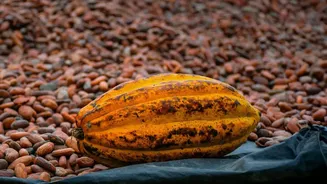
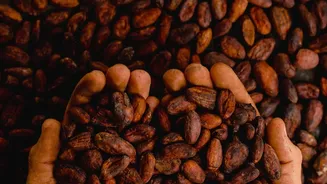
For a long time, cocoa cultivation in India was primarily about quantity, not quality. Major corporations bought beans in bulk to produce the mass-market chocolates many of us grew up with. The focus was on yield, with little incentive for farmers to cultivate
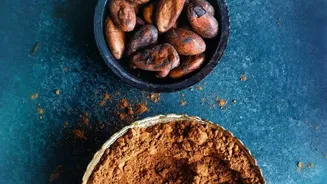
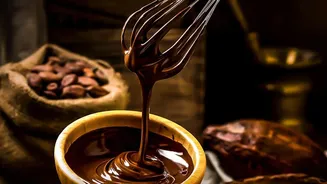
beans with unique or superior flavour profiles. The result was a uniform taste that rarely spoke of its origin. But over the last decade, a new generation of Indian chocolatiers has flipped the script. This burgeoning bean-to-bar movement is shifting the focus from chocolate as a generic sweet to an artisanal product that tells the story of its ingredients, starting with the cocoa bean itself. These makers are not just creating chocolate; they are building an ecosystem that values quality, traceability, and a direct connection to the farm.
The Meaning of 'Estate-Grown'
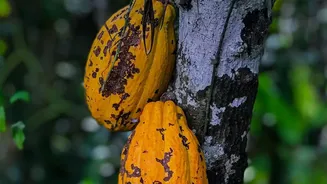
So, what makes 'estate-grown' or 'single-estate' cocoa so special? Unlike 'single-origin,' which can refer to an entire country, 'single-estate' means the cocoa beans are sourced from a specific farm or a small collection of farms in one location. This approach provides immense control and traceability, allowing chocolate makers to highlight the unique character of that particular piece of land—its soil, climate, and farming practices. This concept, known as 'terroir' in the wine world, is now central to Indian craft chocolate. By working directly with specific estates, makers can ensure meticulous post-harvest processing, such as fermentation and drying, which is crucial for developing complex flavours. This partnership model results in chocolate with a distinct personality that simply can't be found in mass-produced bars.
South India: The Cradle of Indian Cacao
The tropical climes of South India have proven to be the heartland of this transformation. States like Kerala, Karnataka, Andhra Pradesh, and Tamil Nadu offer ideal conditions for cultivating high-quality cacao. Cacao was first introduced to India by the British in the late 18th century, but it wasn't until the 1960s that cultivation began in earnest, largely driven by companies like Cadbury. Today, these regions are home to farms that are producing beans with an incredible diversity of flavours. Indian cacao is often intercropped with coconut, areca nut, and spices like cardamom and pepper. This agroforestry system not only promotes biodiversity but also subtly influences the final taste of the beans. As a result, South Indian cocoa can exhibit a stunning range of notes, from fruity and floral to nutty, spicy, or earthy.
Pioneering Brands and Unique Flavours
A host of passionate, homegrown brands are leading this charge. Names like Manam, Paul & Mike, Soklet, Mason & Co, and Naviluna have become synonymous with the Indian bean-to-bar movement. Hyderabad-based Manam Chocolate, for instance, works directly with farmers in the West Godavari region of Andhra Pradesh, helping them move from a yield-focused approach to one that prioritizes fine-flavour beans. Paul & Mike, based in Kerala, sources from its own farms and is known for infusing its chocolate with Indian fruits and spices. Soklet is notable for being one of India's first tree-to-bar chocolate makers, managing the entire process from their own plantation in the Anamalai Hills. These brands are not just making chocolate; they are showcasing the terroir of regions like Idukki in Kerala, which is known for beans with spicy and fruity undertones.
A Sweeter Deal for Farmers and Consumers
This craft movement isn't just a win for chocolate lovers; it's creating a more sustainable and equitable ecosystem for farmers. By working directly with estates and often paying a premium for high-quality beans, artisanal brands provide farmers with a better, more stable income. This close partnership model treats farmers as partners in the process, sometimes even educating them on advanced fermentation techniques to improve bean quality. For the consumer, this translates to a far more exciting and authentic chocolate experience. Instead of a one-note sweetness, these chocolates offer a complex journey of flavours that reflect their unique South Indian origins. It's an invitation to adjust our palates from the mass-market sweets of the past and appreciate the nuanced, world-class chocolate now being produced right here in India.