
The Search for True Darkness
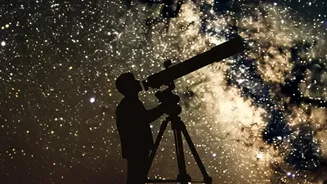
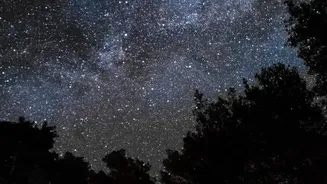
For most of human history, a sky glittering with thousands of stars and the milky arch of our own galaxy was a nightly reality. Today, for the majority of people living in urban and suburban areas, light pollution has washed this spectacle away. Astrotourism
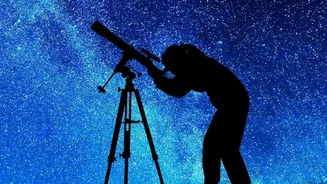
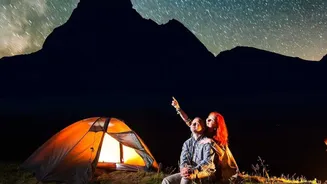
is a direct response to this loss. It's a rapidly growing travel trend focused on experiencing the night sky in its unadulterated glory, from witnessing meteor showers to simply standing in awe under a brilliant Milky Way. This isn't just for astronomers with telescopes; it's for anyone seeking to reconnect with a fundamental part of the natural world. The allure is the promise of 'true darkness', a rare commodity that transforms the sky into a vast, three-dimensional canvas.
Winter's Celestial Theatre
While stargazing is a year-round activity, winter offers a distinctly superior viewing experience. The cold, crisp air holds less humidity and haze, resulting in clearer, sharper views of the stars. The nights are also significantly longer, providing an extended window for observation that doesn't require staying up until the predawn hours. Winter skies are host to some of the most spectacular astronomical events. The Geminid meteor shower, peaking in mid-December, is considered one of the most reliable and active showers of the year, capable of producing over 100 bright, fast-moving meteors per hour under perfect conditions. Following that, the Quadrantids in early January offer another chance to see bright fireballs, although its peak is much shorter. These predictable, high-impact events act as powerful motivators for travellers to plan and book trips specifically for these dates.
India’s Premier Dark-Sky Sanctuaries
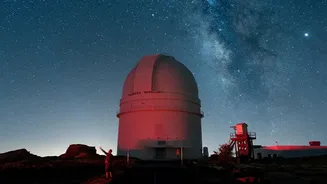
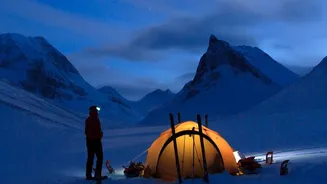
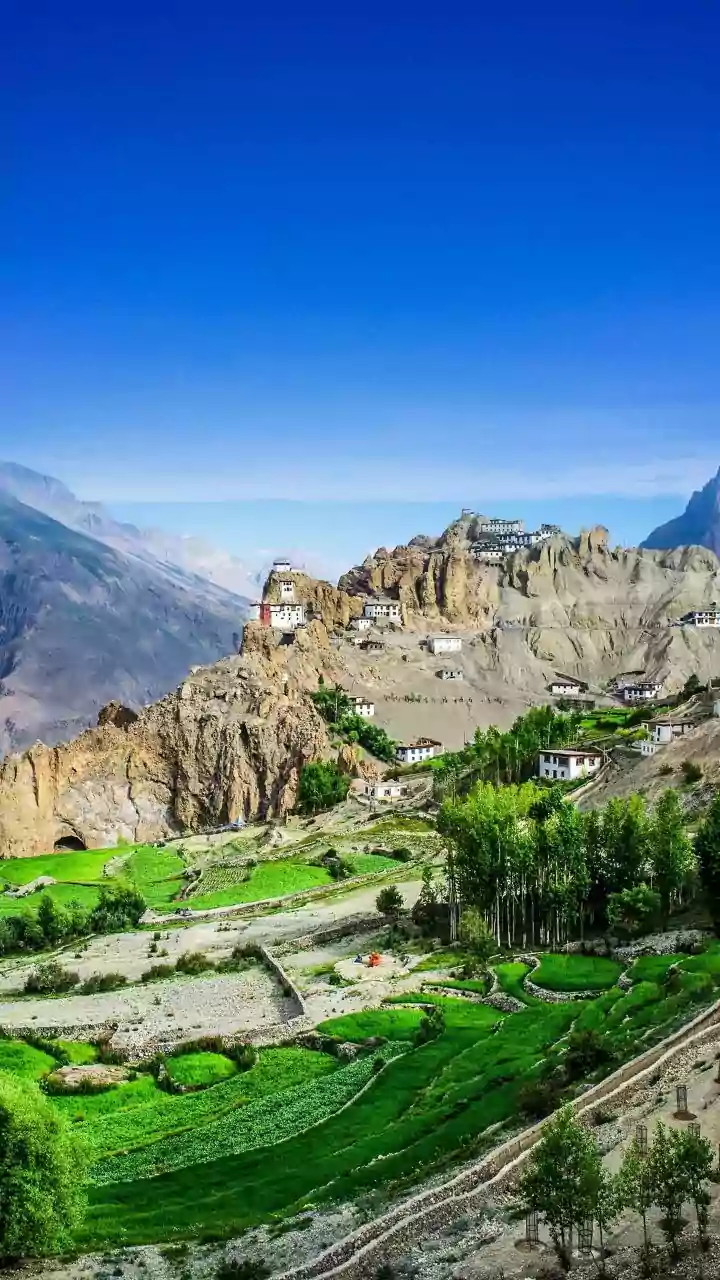
India, with its vast Himalayan landscapes, is perfectly positioned to cater to this growing demand. Regions like Ladakh and Spiti Valley in Himachal Pradesh offer some of the darkest and clearest skies on the planet. The creation of the Hanle Dark Sky Reserve in Ladakh, India's first, is a landmark development. Located within the Changthang Wildlife Sanctuary, this area is not just protected for its fauna, but for its pristine darkness, crucial for the Indian Astronomical Observatory located there. This official designation has put Hanle on the global astrotourism map, with local communities being trained as 'Astronomy Ambassadors' to guide tourists. Winter expeditions to Spiti are also gaining popularity, offering photographers and travellers a chance to see ancient monasteries blanketed in snow under a canopy of brilliant stars, including the Orion constellation and the bright star Sirius which dominate the winter sky.
More Than Just Stargazing
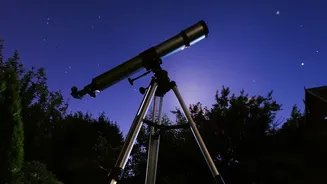
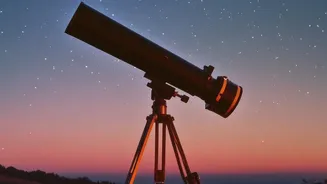
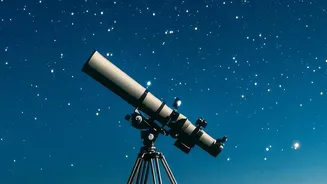
The appeal of these winter expeditions goes beyond the celestial. It's an adventure that combines the thrill of astronomy with the peace of disconnecting in a remote landscape. A trip to a place like Spiti or Hanle in winter is an escape from the noise of modern life. Travellers are drawn to the serenity of snow-covered vistas, the unique culture of high-altitude communities, and the chance to engage in activities like visiting ancient monasteries or even spotting elusive wildlife like the snow leopard. Travel companies are responding by curating holistic experiences. They offer packages that include not just stargazing sessions with telescopes and expert guides, but also comfortable stays in local homestays, cultural tours, and photography workshops, turning a simple viewing event into a multi-day immersive adventure.
A Sustainable Economic Boost
This trend provides a significant and sustainable economic boost to remote communities. Astrotourism is a low-impact model that encourages the preservation of a natural resource: darkness. By creating a financial incentive to reduce light pollution, it aligns tourism with conservation goals. For villages in areas like Ladakh, it creates new opportunities for local entrepreneurs, from running guesthouses and homestays to becoming certified guides. This creates year-round employment in areas that might otherwise only see seasonal tourism, helping to build more resilient local economies. Reports suggest the economic potential is huge, with astro-tourists often staying longer and contributing significantly to local businesses, which in turn fosters a sense of community pride in their unique celestial asset.