

Forget First Class, Embrace the Experience
The secret to doing this trip on a budget is simple: skip the pricey first-class seats. While first class offers air conditioning, it comes with sealed windows, meaning you'll miss out on the fresh mountain air and the classic photo opportunities from
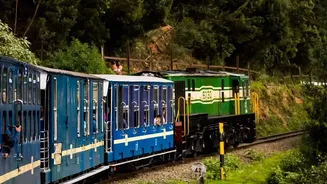
open doorways and windows. The real magic—and savings—lies in second and third class. A second-class ticket can cost as little as 600 LKR (around $2 USD), while a third-class ticket is even cheaper at approximately 300-400 LKR (about $1-2 USD). These classes are where you'll find a lively mix of locals and travelers, offering a more authentic Sri Lankan experience. The seats are comfortable enough for the seven-hour journey, and the open windows provide unobstructed views of the stunning landscape.
The Booking Dilemma: In Advance or On the Day?
To secure your journey on a shoestring, you have two main options for buying tickets: booking a reserved seat in advance or buying an unreserved ticket at the station on the day of travel. Unreserved tickets are the cheapest option and can't sell out, as standing is permitted. This is perfect for the spontaneous traveler; just show up at the Kandy station an hour or two before departure, buy your ticket, and hop on. The downside is that you are not guaranteed a seat and might have to stand for part or all of the trip, especially during peak season. If you value certainty but still want to keep costs low, aim to book a reserved second or third-class seat. These can be booked up to 30 days in advance at a major train station or through your guesthouse. While online third-party sites are an option, they often add a significant markup.
The Savvy Traveler’s Seating Strategy
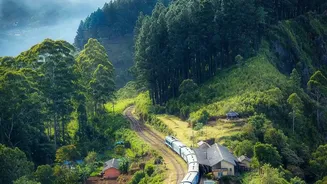
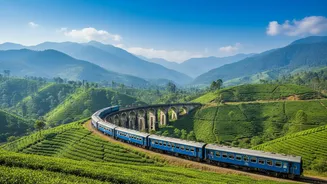
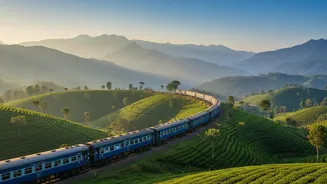
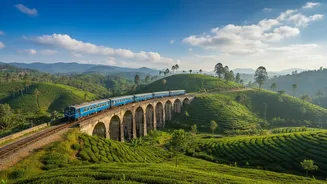
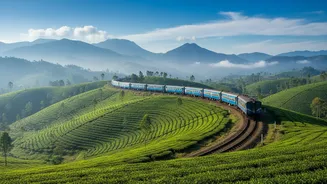
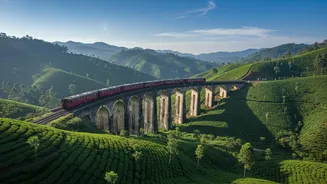
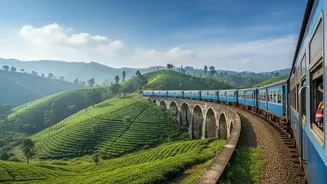
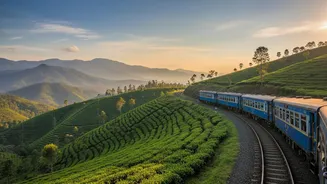
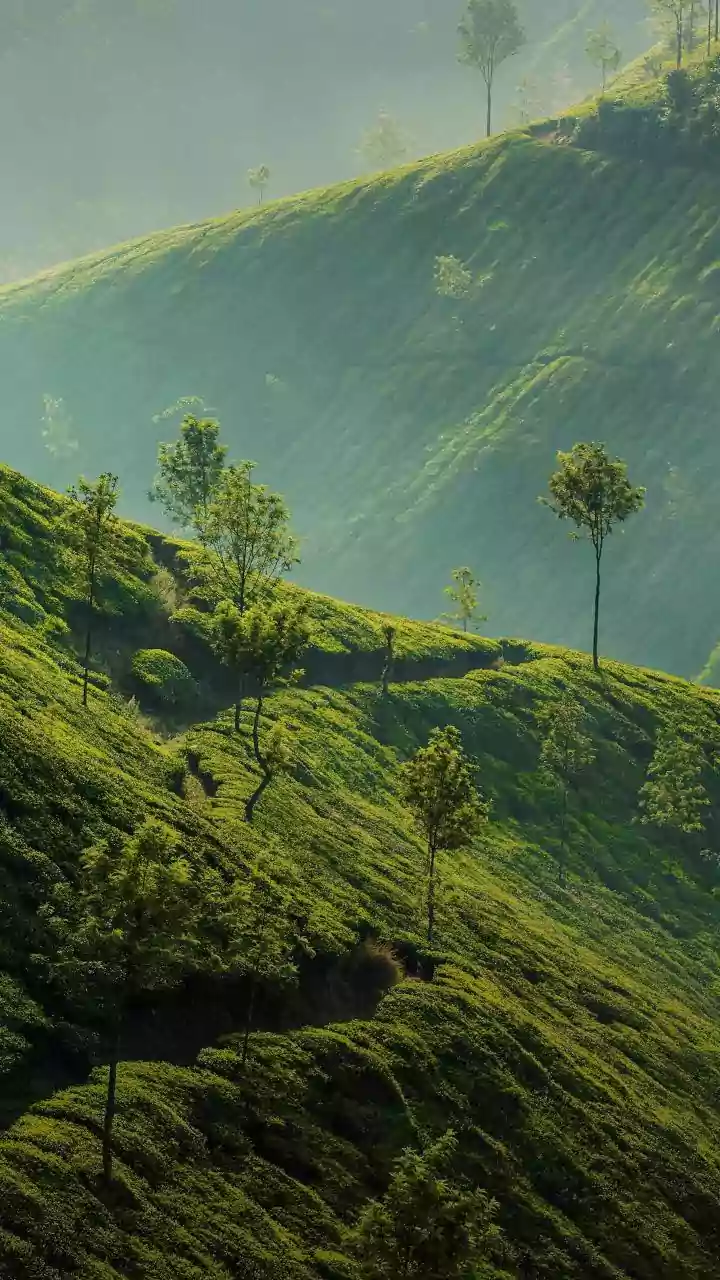
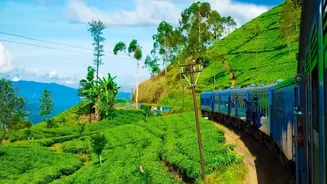
For the best balance of budget and experience, many seasoned travelers recommend a second-class or even third-class reserved ticket. This guarantees you a spot without the isolation of first class. To get the most breathtaking views, try to sit on the right side of the train when leaving Kandy. After the train passes Nuwara Eliya, the scenery becomes more dramatic on the left side. The most scenic stretch of the entire journey is widely considered to be between Hatton and Haputale. But the single best spot on the train isn't a seat at all—it's the open doorway. This is where you'll get the iconic, unobstructed photos of the train curving through the tea fields. With an unreserved ticket, you have the freedom to find a spot by a door and soak it all in.
Pack Smart and Snack Local
A seven-hour train journey requires some preparation, especially when you're on a budget. While vendors will hop on and off the train selling snacks like spicy vada, fresh fruit, and chai, it’s wise to bring your own water and a few snacks to avoid paying marked-up prices. This not only saves money but ensures you have something on hand when hunger strikes between stops. Keep your luggage minimal and manageable. In the sometimes-crowded unreserved carriages, a large suitcase can be a hassle. A backpack is much easier to stow and allows you to move around the carriage more freely to find the best viewpoint.
Extend Your Savings in Kandy and Ella
The budget-friendly travel doesn't have to end when you step off the train. Both Kandy and Ella are well-equipped for travelers watching their wallets. In both towns, you can find affordable guesthouses and hostels for $10-25 a night. Instead of dining at tourist-focused restaurants, eat at local spots. A delicious plate of rice and curry or kottu roti can often be found for just a couple of dollars. Getting around is also cheap. Use local buses or negotiate fares for tuk-tuks for short distances, but always agree on a price before you start your ride. By embracing local transport and food, the entire leg of your journey can remain incredibly affordable.