



The Hardy Hibiscus
A star performer in Indian gardens, the Hibiscus truly comes alive during the monsoon, producing large, trumpet-shaped flowers. Available in a stunning array of reds, pinks, oranges, and whites, these blossoms add a tropical touch and are magnets for butterflies.
Hibiscus loves the moisture but requires well-drained soil to prevent its roots from getting waterlogged. Ensure your pot has drainage holes and place it where it can receive at least four to six hours of sunlight to encourage vigorous blooming.
The Cheerful Balsam (Gulmehndi)
Often called the quintessential monsoon flower, Balsam is incredibly easy to grow and blooms profusely throughout the rainy season. Its flowers, which resemble small roses or camellias, come in shades of pink, white, red, and violet. Balsam thrives in moist soil and prefers partial shade, making it ideal for balconies that don't get direct, harsh sunlight all day. This plant rewards even the most novice gardener with a continuous and colourful display from July through September.
The Reliable Periwinkle (Sadabahar)
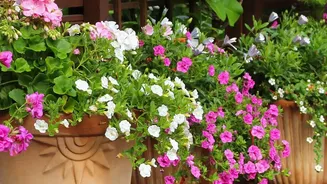
True to its name 'Sadabahar' (evergreen), the Periwinkle is a tough, low-maintenance plant that flowers year-round but puts on a particularly impressive show during the rains. It tolerates heavy showers well and isn't fussy about soil, as long as it drains properly. The simple, charming flowers in shades of white, pink, and lavender provide constant colour, making Periwinkle a dependable choice for adding vibrancy to your balcony with minimal effort.
The Golden Marigold
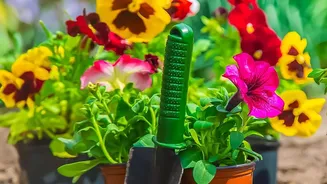
A staple in Indian households for festive and religious occasions, the Marigold is also a fantastic monsoon bloomer. Its bright, cheerful flowers in shades of orange and yellow stand up well against the rain. Marigolds are known to be natural pest repellents, which is an added bonus during the humid monsoon months when pests are more common. For the best results, plant them in a spot with good drainage and deadhead the spent blooms regularly to encourage new flowers.
The Magical Rain Lily
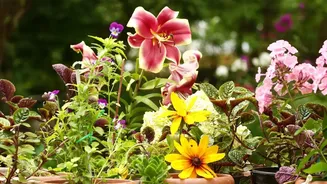
As its name suggests, the Rain Lily is a magical plant that often bursts into bloom overnight following a good shower. These small, bulbous plants produce delicate, star-shaped flowers in white, pink, or yellow. They are incredibly low-maintenance and are perfect for small pots or planters on a balcony. The sudden appearance of their blooms after a downpour is one of the simple joys of monsoon gardening, bringing an element of surprise and elegance to your space.
The Fragrant Mogra (Jasmine)
For those who appreciate scent as much as sight, Mogra, or Arabian Jasmine, is an essential monsoon addition. The humidity and moisture of the rainy season encourage the plant to produce its intensely fragrant white flowers. The sweet smell is especially potent in the evenings, mingling with the earthy scent of rain (petrichor) to create a truly enchanting atmosphere on your balcony. Mogra can be grown in pots and loves the monsoon conditions, blooming generously from June through October.
Caring for Your Monsoon Garden
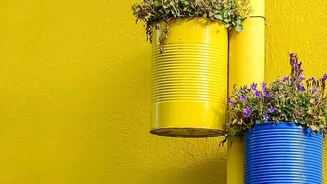
While these plants love the rain, too much of a good thing can be a problem. The biggest challenge during the monsoon is preventing waterlogging and fungal diseases. Ensure every pot has clear drainage holes. It can be helpful to elevate your pots on stands to allow excess water to escape freely. Avoid overcrowding plants to ensure good air circulation, which helps prevent fungal growth. Finally, check the soil's moisture before watering; even in the monsoon, some plants under a covered balcony might need a drink, while others are saturated.