



The Golden Rule: Book Early
The most enchanting winter train routes in India are also the most popular. Demand for tickets on these lines skyrockets as winter approaches. Indian Railways operates on a strict Advance Reservation Period (ARP), which allows booking up to 60 days before
the date of journey. For sought-after holiday trains, seats can get waitlisted within minutes of the booking window opening at 8:00 AM IST. Waiting until October or November to plan a December or January trip is often too late. The secret to a successful winter rail trip is to mark your calendar and book your tickets the very morning they become available, which usually means planning in the heat of September or October.
The Kalka-Shimla Railway: A Himalayan Queen
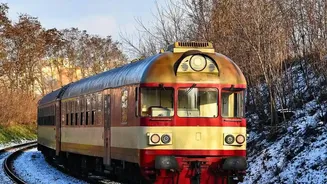
A UNESCO World Heritage Site, the Kalka-Shimla 'toy train' is the quintessential Indian winter rail experience. This narrow-gauge line ascends over 96 kilometres from Kalka to Shimla, navigating more than 100 tunnels and 800 bridges in about five hours. In winter, the journey transforms as the pine and deodar forests become blanketed in snow, creating a magical white wonderland. The slow pace of the train is part of its charm, allowing passengers to soak in the breathtaking views of the Himalayan foothills. Several services run on this line, including the classic Shivalik Deluxe Express and the Vistadome-equipped Him Darshan Express, which offers panoramic views. Given its immense popularity, booking 60 days in advance is absolutely critical for this route.
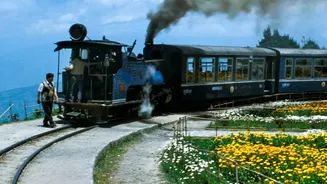
The Darjeeling Himalayan Railway: Of Steam and Mist
Another UNESCO-listed marvel, the Darjeeling Himalayan Railway, or 'toy train', offers a journey through misty tea gardens with stunning views of the Kanchenjunga peak. The route from New Jalpaiguri up to Darjeeling is an exercise in nostalgia, especially the shorter 'Joy Ride' steam train service that runs from Darjeeling to Ghum station and back via the famous Batasia Loop. During winter, the landscape is crisp and the mountain views are often at their clearest. While heavy snow in Darjeeling town is rare, the upper reaches and surrounding peaks are often dusted white, adding to the atmosphere. Like its Shimla counterpart, this is a world-renowned route, and advance booking is essential to secure a seat.
The Kashmir Railway: A Modern Marvel in the Snow
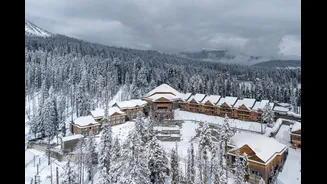
For sheer dramatic impact, few journeys can compete with the train ride through the Kashmir Valley from Banihal to Baramulla. This is not a vintage 'toy train' but a modern broad-gauge line that offers an unparalleled perspective of 'heaven on earth'. After arriving in Banihal by road, passengers board a train that glides through a valley transformed into a pristine white landscape. The journey offers views of snow-covered fields, chinar trees, and the Pir Panjal mountains. The trains are equipped with heaters, and tickets are typically unreserved general class, making it an accessible option. Since February 2024, the line has been electrified, with services extending to Sangaldan, passing through India's longest transport tunnel. It is a spectacular way to witness the quiet beauty of a Kashmiri winter.
Your Warm-Weather Planning Checklist
To ensure your trip goes smoothly, focus on these key tasks two months ahead of your travel dates: 1. Set Booking Reminders: Identify your exact travel date and calculate the 60-day advance booking date (excluding the day of travel). Set a calendar alarm for 7:45 AM IST on that day. Tickets go on sale at 8:00 AM. 2. Prepare Your Details: To book quickly on the IRCTC website or app, have all passenger names, ages, and ID details ready to copy and paste. Seconds can make the difference between a confirmed ticket and a long waitlist. 3. Pack for the Cold: While booking in the warmth, think about the cold. You will need thermal wear, multiple layers of clothing, woollen socks, gloves, a cap, and a heavy jacket. Even inside the train, it can get chilly, especially on the Kalka-Shimla line where drafts are common. 4. Plan for Delays: Mountain weather is unpredictable. Winter fog and heavy snowfall can sometimes lead to train delays. Build some buffer time into your travel itinerary and avoid planning tight connections.