





Decoding the Daily Gold Rate
The price of gold you see flashing on news channels isn't the full story. The final price paid by an Indian consumer is a sum of multiple parts: the base rate of pure gold, import duties, and Goods and Services Tax (GST). The base rate is influenced by global
factors like the strength of the US dollar, international demand, and geopolitical stability. When the US dollar weakens, gold often becomes more attractive to investors, pushing prices up. Added to this is a 15% import duty and a 3% GST on the value of the gold, which significantly increases the cost for the end consumer in India. Understanding these components helps you see why local prices can feel disconnected from global trends.
The Hidden Cost: Making and Wastage Charges
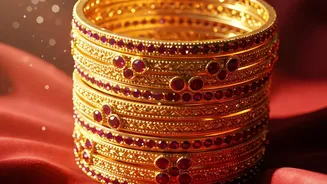
When buying jewellery, the biggest variable cost is the 'making charge'. This is the fee for the labour involved in crafting the ornament. It can be a fixed rate per gram or, more commonly, a percentage of the gold's value, typically ranging from 6% to over 25% for intricate designs. Some jewellers also add 'wastage charges,' claiming a certain percentage of gold is lost during manufacturing. These charges are not standardised and can be a major point for negotiation. For young buyers, opting for simpler designs or buying from jewellers with transparent, fixed making charges can lead to substantial savings. Always ask for a detailed bill that breaks down the gold rate, making charges, and GST separately.
Your Guarantee of Purity: The BIS Hallmark
To ensure you get the purity you pay for, the Government of India has made BIS hallmarking mandatory for gold jewellery. Every hallmarked item must have three marks: the BIS logo, a mark indicating purity (like 916 for 22-karat gold), and a six-digit alphanumeric Hallmark Unique Identification (HUID) number. This HUID allows for traceability and confirms the item has been assayed for purity at a certified centre. Before buying, always look for these marks. It's your single most important assurance against being sold lower-purity gold at a higher price.
Beyond Jewellery: Modern Ways to Invest
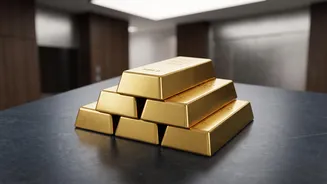
For young people focused on investment rather than adornment, modern financial instruments offer a smarter way to own gold. These options eliminate making charges and concerns about storage and purity. Gold Exchange Traded Funds (ETFs) are traded on the stock market just like shares, allowing you to buy gold in paper form with high liquidity. Digital gold allows you to buy fractions of a gram through various fintech apps, making it accessible for small, regular investments. Finally, Sovereign Gold Bonds (SGBs), issued by the RBI, offer the dual benefit of capital appreciation linked to the gold price and an additional 2.5% annual interest. While new SGBs are not currently being issued, they can still be bought on the secondary market. These instruments are often more cost-effective and efficient for building a long-term gold portfolio.
Global Events, Local Prices
It might seem distant, but a decision by the US Federal Reserve or rising tensions in the Middle East can directly impact the price of a gold chain in your local market. Global instability and economic uncertainty often lead investors to seek safety in gold, driving up demand and prices worldwide. In India, this is compounded by the Rupee-Dollar exchange rate. Since India imports most of its gold, a weaker rupee makes imports more expensive, which translates to higher prices for consumers even if international gold rates are stable. Keeping an eye on these broader economic trends can help you time your purchase better, avoiding buying during major price spikes caused by global events.