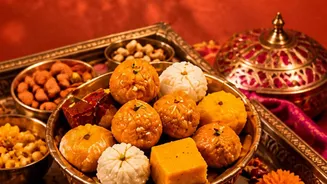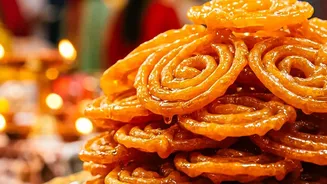


The Dark Side of Festive Treats
The immense demand for sweets during Diwali often puts a strain on producers, leading some unscrupulous vendors to cut corners. This results in adulteration, where inferior or even harmful substances are mixed into sweets to increase quantity and reduce
costs. Common culprits include khoya (milk solids) bulked up with starch, and paneer made with non-milk solids. Milk, the base for most traditional sweets, can be diluted or, in severe cases, mixed with detergents or urea to mimic purity, posing significant health risks. These practices not only cheat the consumer but can also lead to food poisoning and other stomach ailments, turning a festive occasion sour.
Your Shield: FSSAI Standards
The Food Safety and Standards Authority of India (FSSAI) is the primary body regulating food products in the country, including traditional sweets. To combat adulteration, the FSSAI mandates that all sweet shops, from large chains to local halwais, must have an FSSAI license or registration, depending on their turnover. This license number should be prominently displayed at the shop. Looking for this certification is your first line of defense. It indicates that the vendor is accountable and subject to hygiene and quality checks. The FSSAI also requires manufacturers to declare the 'best before' date and ingredient information, empowering you to make a more informed purchase.
Tips to Spot Adulterated Sweets
While an FSSAI license is a good sign, it pays to use your senses. Fake khoya often feels greasy or has an inconsistent texture. You can perform a simple home test: dissolve a small amount in hot water and add a few drops of iodine solution. If it turns blue, it contains starch. Be wary of sweets that are excessively bright. Unnaturally vibrant yellows, oranges, and greens may indicate the use of non-permitted and potentially harmful industrial dyes like metanil yellow instead of food-grade colours. Another major concern is 'chandi ka varq' or silver foil. Authentic silver foil is extremely thin and disintegrates when touched. Fake varq, often made of aluminium, will roll into a small ball, which is a clear sign of adulteration.
A Smart Buyer's Checklist for Diwali
To ensure your festive treats are safe, follow this simple checklist. First, always buy from a trusted and reputable sweet shop, preferably one you have been frequenting for a while. Second, look for the FSSAI license number displayed on the premises. Third, when buying pre-packaged sweets, check for the manufacturing date, 'best before' date, and a complete list of ingredients. For non-packaged sweets, you are entitled to ask the seller for this information. Fourth, inspect the appearance and smell; avoid anything that looks or smells off. Finally, if you are purchasing sweets that use milk, khoya or paneer, ask the vendor about the source of their dairy, as FSSAI encourages sweet makers to source from licensed vendors.
Consider Safer Alternatives
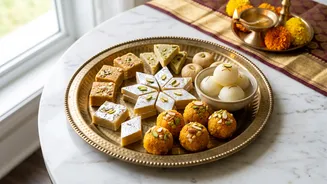
One of the surest ways to guarantee quality is to prepare sweets at home. This allows you complete control over the ingredients, hygiene, and freshness. Popular sweets like kaju katli, milk cake, and various barfis are often targeted for adulteration due to their high demand, making them good candidates for a homemade approach. If you're short on time, consider buying from trusted home bakers or women's self-help groups that have built a reputation for quality. These smaller operations often prioritize purity over volume and can be a wonderful way to enjoy traditional flavours without the worry.