
Looking for a simple, effective way to build a stronger back and improve your posture? The Superman exercise is your answer. This guide breaks down how to do it right, starting with the perfect mat setup for comfort and stability.
What is the Superman Exercise?
The Superman exercise
is a bodyweight floor exercise that targets the posterior chain—the muscles along the backside of your body. The name comes from the position you hold, which resembles Superman in flight. By lying face down and simultaneously lifting your arms, chest, and legs off the floor, you engage and strengthen your lower back, glutes, hamstrings, and shoulders. It is an excellent and accessible movement for building foundational core strength without the need for any equipment besides a comfortable surface.
The Right Foundation: Your Mat Setup
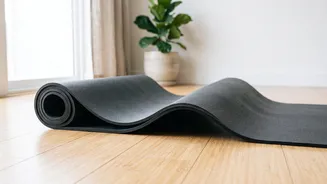
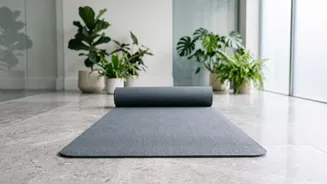
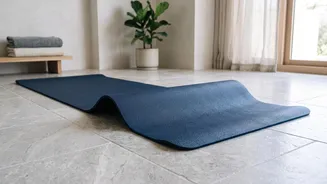
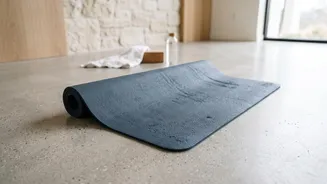
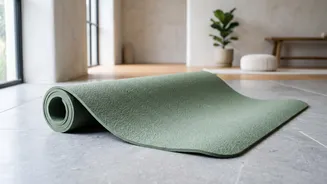
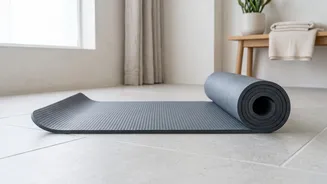
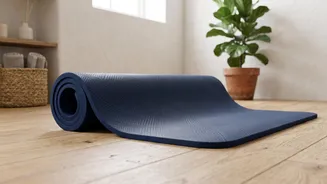
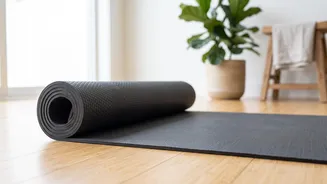
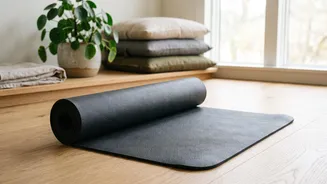
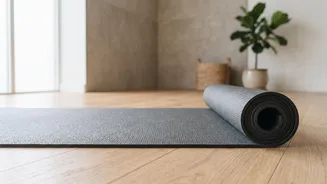
Before you attempt to fly, you need a proper launchpad. The right exercise mat is crucial for both comfort and performance. When performing the Superman, your hip bones press into the floor, which can be uncomfortable on a hard surface. Look for a mat that is at least a quarter-inch thick to provide adequate cushioning. The surface should also be non-slip to prevent your body from sliding as you move. Place your mat on a flat, clear floor space, ensuring you have enough room to fully extend your arms and legs without bumping into furniture. A clean, stable base allows you to focus purely on your form.
A Step-by-Step Guide to Perfect Form
Executing the Superman with correct form is key to reaping its benefits and avoiding strain. Follow these steps: 1. Starting Position: Lie face down on your exercise mat. Extend your arms straight out in front of you, palms facing down, and extend your legs straight behind you. Your neck should be in a neutral position, with your gaze directed at the floor. 2. The Lift: Inhale, and as you exhale, engage your core and back muscles to simultaneously lift your arms, chest, and legs a few inches off the floor. Keep your arms and legs straight but not locked. The movement should be slow and controlled. 3. The Hold: Hold this 'flying' position for 2 to 5 seconds. Focus on squeezing your glutes and lower back muscles. Keep your head in line with your spine; avoid craning your neck upwards to look forward. 4. The Release: Gently lower your arms, chest, and legs back to the starting position with an inhale. Rest for a moment before beginning the next repetition.
Common Mistakes and How to Fix Them
To get the most out of the exercise and prevent injury, watch out for these common errors. A primary mistake is lifting too high, too fast. This exercise is about control, not height. Overarching the back can cause strain, so lift only to the point where you feel your muscles engage. Another frequent error is looking up or forward, which puts unnecessary stress on the neck. Keep your gaze on the mat to maintain a neutral spine. Finally, remember to breathe. Many people hold their breath during the lift, but a steady exhale on the way up and inhale on the way down will help you maintain control and muscle engagement.
Benefits Beyond a Stronger Back
While renowned for strengthening the erector spinae muscles of the lower back, the benefits of the Superman extend further. It's a fantastic posturestcorrecting exercise, helping to counteract the effects of slouching over a desk or phone all day. By strengthening the entire posterior chain, you create a more stable and balanced core, which is essential for almost every physical activity, from running to lifting groceries. It also actively engages the glutes and hamstrings, contributing to stronger, more defined legs. Best of all, it requires no equipment and can be done anywhere.
Modifications for Every Fitness Level
If the full Superman feels too challenging at first, there are excellent ways to modify it. Beginners can start with the 'bird dog' on their stomach, lifting only the right arm and left leg simultaneously, then switching sides. This reduces the load on the lower back while still building coordination and strength. For a greater challenge, advanced users can increase the duration of the hold at the top of the movement or add light ankle and wrist weights to increase resistance. Another progression is the 'swimming' variation, where you perform small, fluttering kicks with your arms and legs while holding the lifted position.