



The Classic Energiser: Sabudana
Sabudana, or tapioca pearls, is a cornerstone of fasting cuisine for a reason. It is packed with carbohydrates, which the body efficiently converts into glucose, offering a quick and substantial energy boost. This makes it ideal for a meal after a long
day of fasting or to power you through your daily tasks. While it's a fantastic source of fuel, sabudana is primarily starch, so how you prepare it matters. A simple Sabudana Khichdi, tossed with roasted peanuts, boiled potatoes, and seasoned with rock salt (sendha namak), green chillies, and cumin, creates a balanced meal. The peanuts add crucial protein and healthy fats, which help slow down digestion and provide a more sustained energy release, preventing the crash that can come from simple carbs alone.
The Power Flour: Kuttu ka Atta
When regular grains like wheat are off the menu, kuttu ka atta (buckwheat flour) steps in as a nutritional powerhouse. Unlike its name suggests, buckwheat is not a type of wheat but a gluten-free seed, making it easy to digest. It is rich in high-quality protein and fibre, a combination that works wonders for maintaining steady energy levels. The fibre helps manage blood sugar by slowing down the release of energy, while protein keeps you feeling full and satisfied for longer. Simple kuttu ki puris or rotis paired with a light potato or arbi sabzi is a classic vrat meal. You can also make a simple cheela (a thin pancake) with kuttu flour, seasoned with ginger and green chillies for a lighter option.
The Light and Mighty Snack: Makhana
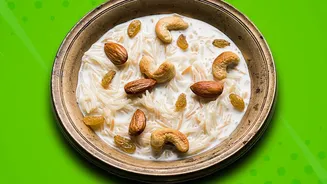
Phool Makhana, or fox nuts, are the perfect snack for when you feel a dip in energy but don't want a heavy meal. These puffed lotus seeds are incredibly light yet surprisingly filling. They are low in calories and a good source of protein and carbohydrates. What makes them particularly great for fasting is their combination of nutrients and low sodium content. You can simply roast a bowl of makhana in a teaspoon of ghee until they are crisp, then sprinkle with sendha namak and black pepper. This simple snack is easy to digest and provides a steady source of energy without weighing you down. For a sweet treat, Makhana Kheer, made by simmering the roasted nuts in milk with cardamom, is both comforting and nourishing.
The Comfort Grain: Samak ke Chawal
Often called 'vrat ke chawal', Samak ke Chawal (barnyard millet) is a wonderful substitute for rice during fasting periods. This humble millet is gluten-free, high in fibre, and has a lower glycemic index than regular white rice, meaning it releases energy into the bloodstream more slowly. This prevents sudden spikes and crashes in blood sugar, which is key to avoiding fatigue during a fast. It’s also gentle on the digestive system, which, according to Ayurveda, can be weaker during the monsoon season of Sawan. Prepare it as a simple pulao with diced potatoes and peanuts, or make a comforting porridge-like khichdi. Its versatility makes it an essential item in any Sawan pantry.
Natural Fuel: Fruits and Dairy
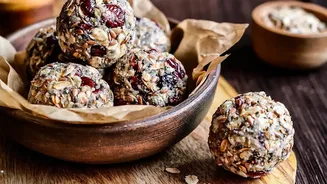
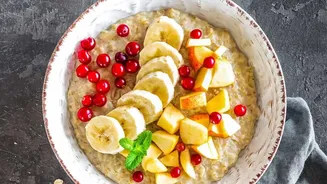
Never underestimate the power of natural, whole foods. Seasonal fruits like bananas, apples, and papayas are excellent sources of natural sugars, fibre, and essential vitamins that provide an instant yet healthy energy lift. They also help you stay hydrated. Pairing fruits with a source of protein and healthy fats, like a handful of almonds or walnuts, can make the energy last longer. Dairy products like curd (yoghurt), paneer, and buttermilk are also invaluable. A bowl of fresh curd can cool the system and provides protein and probiotics for gut health, while a few cubes of paneer, lightly sautéed with rock salt and pepper, offer a substantial protein boost to keep you satiated and strong.