






Embrace the Humble Gourds
Monsoon is the season when gourds truly shine. Vegetables like bottle gourd (lauki), ridge gourd (turai), and bitter gourd (karela) are widely available and recommended. According to Ayurveda, these vegetables are light and easy to digest, which is crucial
as the digestive fire (Agni) is believed to be weaker during the humid monsoon months. You can use them in simple stir-fries, add them to dal, or make comforting soups. Lauki can be transformed into a simple sabzi or a flavourful kofta curry, while turai pairs beautifully with lentils. Karela, despite its bitterness, is valued for its health properties and can be stir-fried with onions and spices to balance its flavour.
Celebrate Corn in All Its Glory
The sight and smell of roasted corn on the cob, or bhutta, is synonymous with the Indian monsoon. This seasonal favourite is often roasted over an open flame by street vendors and slathered with lemon juice, salt, and spices. At home, you can enjoy it in many ways beyond just roasting. Steamed corn kernels can be turned into a warm and tangy masala corn chaat, a perfect evening snack. They can also be added to soups, salads (after being cooked), and vegetable preparations, adding a touch of sweetness and a satisfying bite to your meals.
The Power of Roots and Spices
Warming spices are a cornerstone of monsoon cooking, prized for their flavour and their role in aiding digestion. Ginger, turmeric, garlic, black pepper, and cumin are essential during this season. A piece of ginger added to your daily chai not only tastes refreshing but is also soothing for the throat. Fresh turmeric and ginger can be grated into curries and dals. These spices are believed to have antimicrobial properties that help support immunity during a season known for infections. Simple dishes like khichdi become even more comforting and beneficial with a tempering of cumin and a hint of turmeric.
Seasonal Fruits for a Touch of Sweetness
While many fruits are available, the monsoon brings its own special bounty. Jamun (Java Plum), with its deep purple hue and sweet-tart taste, is a classic monsoon fruit. Pears (Nashpati) are another excellent choice, offering a juicy and grainy texture that is both refreshing and satisfying. Plums also make an appearance during this season and can be eaten fresh or turned into a delicious chutney. Other fruits like apples and pomegranates are also considered good choices as they are light and easy on the stomach. It is generally advised to wash all fruits thoroughly before consumption, especially during the rains.
Go Green, But With Caution
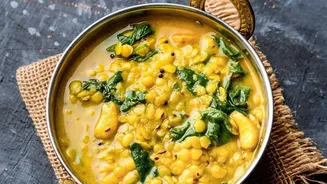
While leafy greens are packed with nutrients, they require extra care during the monsoon due to the increased risk of contamination from mud and grime. Ayurveda often advises limiting raw leafy greens during this time. However, that doesn't mean you have to avoid them entirely. Vegetables like cluster beans (gavar) are a popular monsoon crop. If you are using spinach (palak) or fenugreek (methi), ensure they are washed thoroughly in clean water. Cooking them well is key. A simple palak dal or a methi sabzi can be a nutritious and safe way to include greens in your diet.
Comfort in a Bowl: Khichdi and Soups
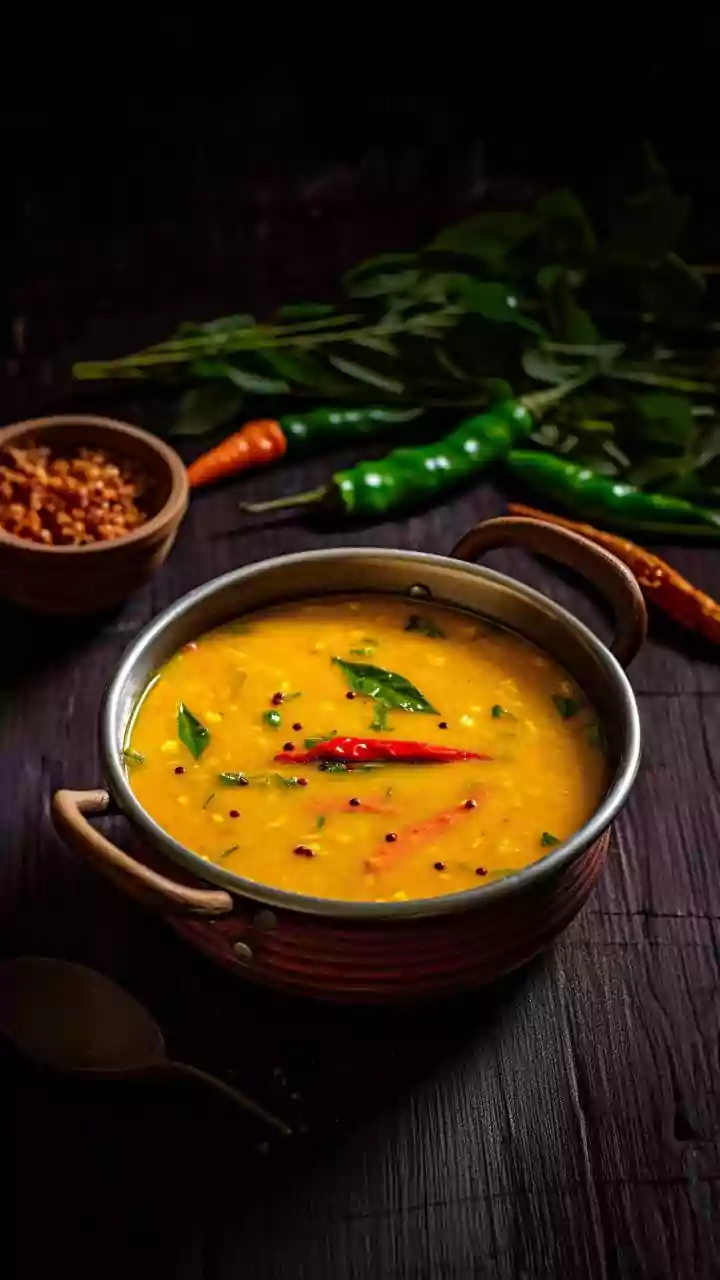
No monsoon food guide is complete without mentioning khichdi. Made from rice and lentils (usually moong dal), it is considered the ultimate comfort food for the rainy season because it is light, nutritious, and easy to digest. It can be prepared simply with a little turmeric and salt, or made more elaborate with vegetables and spices. Similarly, warm soups are perfect for a rainy day. A simple tomato soup, a hearty lentil soup (dal shorba), or a spicy rasam can provide immense comfort and warmth, aligning perfectly with the dietary wisdom of the season.