







Why the Monsoon Demands Extra Care
The rainy season creates a perfect storm for illnesses. High humidity allows bacteria, viruses, and fungi to thrive on surfaces and in the air. Waterlogging, a common sight in many Indian cities, mixes sewage with rainwater, contaminating everything it touches
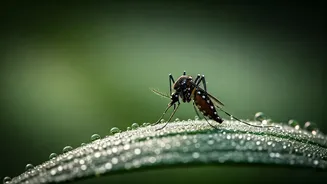
and creating breeding grounds for mosquitoes that spread diseases like dengue, malaria, and chikungunya. This combination means that waterborne and vector-borne diseases, along with fungal infections and stomach ailments, become much more common. Taking proactive hygiene measures is not about being overly cautious; it's a necessary step to protect yourself and your family.
Food and Water: Your First Line of Defence
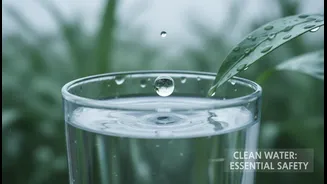
Contaminated food and water are primary sources of monsoon ailments like gastroenteritis, typhoid, and cholera. It is advisable to avoid street food during this season, as the humidity and open exposure increase the risk of contamination. Opt for freshly cooked, warm meals. Thoroughly wash all fruits and vegetables, perhaps with salt water, before consumption. Avoid eating raw salads outside; if you make them at home, ensure the produce is impeccably clean. When it comes to water, do not take chances. Drink only boiled, filtered, or purified water. Even ice cubes in drinks can be a source of infection, so be mindful when eating out. Storing water in clean, covered containers is also essential.
Personal Hygiene: From Head to Toe
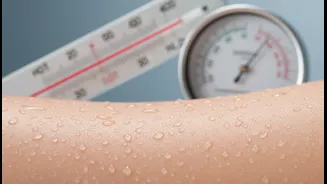
Keeping your skin clean and dry is paramount. The constant dampness can lead to fungal infections in skin folds, underarms, and between the toes. Take a shower daily, and if you get caught in the rain, change out of wet clothes as soon as possible and have a warm shower. Drying yourself thoroughly is key, and using an antifungal powder in sweat-prone areas can provide extra protection. Hand hygiene is also non-negotiable. Wash your hands frequently with soap and water, especially before meals and after coming in from outside.
Special Focus on Foot Care
Our feet bear the brunt of the monsoon, often wading through dirty, waterlogged streets. This exposes them to a cocktail of germs and can lead to leptospirosis, fungal infections, and other skin issues. Avoid walking barefoot on wet surfaces. If your feet get wet, wash them with soap and dry them completely, paying special attention to the area between your toes. Opt for open, breathable footwear like sandals when possible, and avoid wearing damp shoes or socks for extended periods, as this creates a perfect breeding ground for fungi.
Your Home and Wardrobe
Your living space also needs monsoon-proofing. Prevent water from stagnating in and around your home to stop mosquitoes from breeding. Ensure your home is well-ventilated to combat indoor humidity. Damp clothes can develop a musty smell and harbour fungal spores. Ironing clothes when they are slightly damp can help kill any remaining germs and make them completely dry. Choose breathable fabrics like cotton that allow air to circulate and help keep you dry. Regularly cleaning and disinfecting your home, especially floors and surfaces, will help maintain a healthy indoor environment.