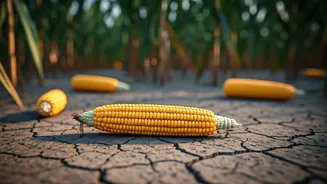









The Heat on Your Plate
The most direct link between weather and your wallet is the impact of extreme heat on agriculture. Recent years have seen intense and prolonged heatwaves across India, which are devastating for many crops, especially vegetables. [4] Tomatoes, onions,
and potatoes—the staples of many Indian kitchens—are highly sensitive to temperature spikes. [5] For instance, the average retail price for tomatoes saw a significant year-on-year jump in mid-2026, largely because intense heat disrupted supplies from major growing regions like Maharashtra and Karnataka. [10] Heat doesn't just reduce the quantity of the harvest; it can also shrivel grains and reduce their quality, affecting staples like wheat where even a 1°C rise can cut yields. [11] This phenomenon, known as 'terminal heat', has already led to significant output drops in states like Punjab and Haryana. [11]
Unpredictable Rains, Unstable Prices
It's not just the heat. The Indian monsoon, the lifeblood of the country's agriculture, is becoming more erratic. [16] Instead of consistent, season-long rainfall, we are seeing long dry spells punctuated by short, intense downpours. [14] Both extremes are damaging. A delayed or weak monsoon, as seen in June 2026, means farmers can't sow crucial kharif crops like rice, cotton, and pulses on time, disrupting the entire agricultural calendar. [21] Conversely, sudden heavy rains and floods can wipe out standing crops and damage produce in storage. [5, 8] In 2023, heavy rains in states like Himachal Pradesh and Karnataka caused a significant decline in tomato production, sending wholesale prices soaring. [3] A study by the Reserve Bank of India has shown that shifts in rainfall can increase vegetable inflation by about 1.24 percentage points. [3, 6]
More Than Just Crops
The impact of severe weather goes beyond the farm gate. Extreme weather events disrupt the entire supply chain that brings food from the farm to your table. [7] Floods can damage roads and railways, making it impossible to transport goods, while extreme heat can affect worker productivity across logistics and manufacturing sectors. [2, 13] This creates delays and shortages, further driving up prices. [15] For example, a major price spike in tomatoes can occur not only because of a bad harvest, but also because transport from a major production hub in Andhra Pradesh to northern markets is delayed or becomes more expensive due to weather-related issues. [10]
The Ripple Effect on Household Budgets
For the average household, this translates into a higher cost of living. With food and beverages carrying the heaviest weight in India's consumer price index (around 46%), any shock to crop prices is quickly felt at the kirana store and in family budgets. [4] A spike in the price of just a few key vegetables can drive overall food inflation. [5] In May 2026, food inflation rose to 4.78%, with vegetables being a key contributor. [9, 17] This forces families, particularly those with lower incomes, to make difficult choices, often cutting back on fresh, nutritious food. [6, 16] Economists warn that the combination of intense heat and a weaker monsoon could push overall inflation higher, eroding incomes just as essential costs are rising. [4]
Adapting to a New Reality
This isn't a temporary problem. Climate experts warn that such extreme weather events are becoming more frequent and intense. [5] In response, India's agricultural system is being forced to adapt. This includes developing climate-resilient crop varieties that can better withstand heat and water stress, improving water management and irrigation techniques, and building better supply chain infrastructure to reduce post-harvest losses. [10, 16] The government has also intervened at times with measures like selling subsidised tomatoes to ease the burden on consumers during sharp price spikes. [10] However, these are short-term fixes for a long-term challenge.