







Bottle Gourd (Lauki)
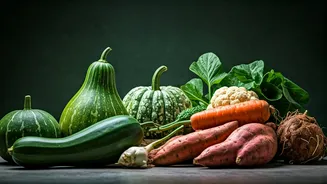
Humble, versatile, and incredibly hydrating, lauki is a monsoon superstar. Composed of over 90% water, it’s exceptionally light on the stomach and easy to digest, which is crucial during a season when our digestive system can be sluggish. It’s also rich
in fibre, which aids bowel movement and prevents constipation. A low-calorie vegetable, bottle gourd is packed with essential minerals like sodium, potassium, and iron, helping you stay nourished without feeling heavy. Its cooling properties also help manage body heat. From simple subzis and koftas to comforting soups and even juices, lauki can be adapted to any meal, making it a must-have in your monsoon kitchen.
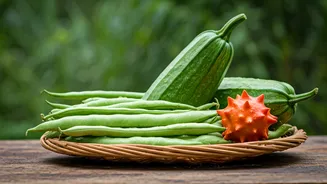
Ridge Gourd (Turai/Tori)
Another member of the gourd family, ridge gourd is a fantastic vegetable for the rainy season. It's known for its ability to purify the blood and boost liver health. Rich in dietary fibre and low in calories, turai promotes a feeling of fullness and aids in weight management. Its most significant benefit during the monsoon is its potential to boost immunity. It contains vitamins C and A, as well as zinc, which are all vital for a strong immune response against common seasonal infections like coughs and colds. Its slightly sweet flavour pairs well with a variety of spices. Try it in a simple stir-fry with moong dal or as a key ingredient in a flavourful curry.
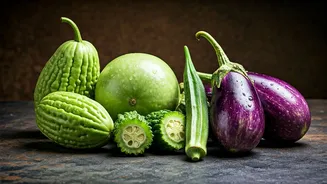
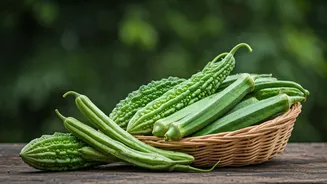
Bitter Gourd (Karela)
While its bitter taste might not be for everyone, karela is a powerhouse of nutrients that are especially beneficial during the monsoon. It is loaded with antioxidants and vitamins A and C, which help fight off infections. Traditionally used in Ayurvedic medicine, bitter gourd is excellent for managing blood sugar levels and improving digestive health. It possesses antiviral and antibacterial properties, providing an extra layer of protection during a season when microbes thrive. To reduce its bitterness, you can scrape the surface, remove the seeds, and salt it for about 30 minutes before cooking. A stuffed karela or a crispy, fried version can make this healthy vegetable a delicious addition to your diet.
Pointed Gourd (Parwal)
Parwal is a digestive-friendly vegetable that is highly recommended during the monsoon. It's easy to digest and helps keep stomach-related issues like gas, acidity, and constipation at bay. Rich in fibre, vitamin A, and vitamin C, it contributes to better gut health and a stronger immune system. According to Ayurveda, it helps balance the body’s doshas, which are believed to be aggravated during the rainy season. Its seeds and flesh are both edible and nutritious. Whether you cook it as a simple 'bhujia' (stir-fry), in a gravy-based curry, or as a stuffed delicacy, parwal is a reliable and healthy choice.
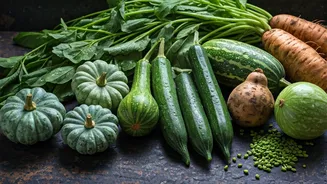
Root Vegetables (Sweet Potato, Yam)
Root vegetables like sweet potato (shakarkandi) and yam (suran) are excellent choices for the monsoon. They are less likely to be contaminated by soil-borne pathogens compared to leafy greens. They are energy-dense, packed with complex carbohydrates that provide sustained energy to combat the lethargy that often accompanies gloomy weather. Sweet potatoes are a fantastic source of beta-carotene (a precursor to vitamin A) and fibre, while yams are rich in potassium and manganese. They are filling, nutritious, and can be roasted, boiled, or made into subzis, providing warmth and comfort during a downpour.
A Note on Leafy Greens
It’s common advice to avoid leafy green vegetables like spinach and cabbage during the monsoon. This isn't because the vegetables themselves are bad, but because the damp, muddy conditions make them highly susceptible to contamination with dirt, worms, and bacteria. If you choose to eat them, be extra cautious. Wash them thoroughly in clean, running water, and consider blanching them in hot, salted water before cooking. Most importantly, never consume them raw in salads. Cooking them properly is essential to kill any harmful germs and make them safe for consumption.