







The Basics: A Weaker vs. Stronger Rupee
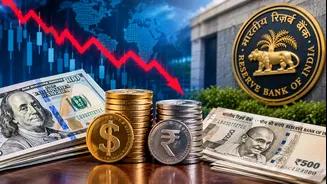
At its core, an exchange rate is the price of one currency in terms of another. For Indians, the key is what the Rupee (INR) can buy in U.S. Dollars (USD), British Pounds (GBP), or Euros (EUR). When the Rupee 'weakens' or 'depreciates', it means you need
more rupees to buy one unit of a foreign currency. For instance, if the USD/INR rate moves from ₹85 to ₹90, the rupee has weakened. Conversely, if it moves from ₹85 to ₹80, the rupee has 'strengthened', and your money now has more purchasing power abroad. These shifts are driven by complex factors like inflation, interest rates, and global economic stability.
The Impact on Your Education Budget
For students heading to universities abroad, currency movements are a major financial variable. Tuition fees, often the largest single expense, are priced in the local currency. If the rupee weakens against the dollar, a $35,000 tuition fee can become significantly more expensive in rupee terms. A 5-10% depreciation can increase costs by lakhs of rupees over the duration of a course. This impact extends beyond tuition to everyday living expenses like accommodation, food, and transport, reducing your purchasing power and stretching your budget. Families may find that the education loan they secured is no longer sufficient, forcing them to seek additional funds midway through a program.
How Your Travel Plans Get More Expensive
Like students, travellers also feel the pinch of a weaker rupee. A holiday that seemed affordable a few months prior can become 15-20% more expensive due to currency depreciation alone. This price hike affects every part of the trip. Airfares, which have dollar-linked costs like fuel, become costlier. Hotels and local expenses see a sharp jump; a $100 hotel room that once cost ₹8,500 could now be closer to ₹9,500 or more. Even if you have a fixed budget, a weaker rupee means it simply buys you less, forcing you to cut back on activities, shorten your trip, or choose a more affordable destination.
Practical Steps to Manage Currency Risk
While you can't control global markets, you can take steps to protect your finances. One of the most effective tools is a prepaid multi-currency forex card. By loading it with funds at a locked-in rate, you are shielded from subsequent fluctuations. For students, it's wise to plan fund transfers for tuition and living costs in advance rather than all at once, which can help average out rate volatility. For both travellers and students, it's crucial to avoid exchanging large sums of money at airports, where markups can be as high as 5-8%. Instead, use authorised dealers or online forex platforms before you depart.
Smart Forex Habits to Adopt
A little planning goes a long way. Start monitoring exchange rates a few weeks before your departure or when a fee payment is due. This allows you to transact when the rate is more favourable. When using cards abroad, always choose to pay in the local currency to avoid 'Dynamic Currency Conversion' traps, which often come with poor exchange rates. For large expenses like tuition, an outward remittance through a bank or authorised dealer is the standard method. For daily spending, a combination of a forex card and a small amount of cash for emergencies is a balanced approach. Per RBI rules, you can carry up to USD 3,000 in cash, while the overall limit for expenses like travel and education is USD 250,000 per financial year under the Liberalised Remittance Scheme (LRS).