







What is the Western Coast Offshore Trough?
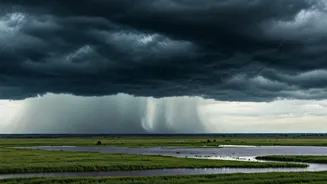
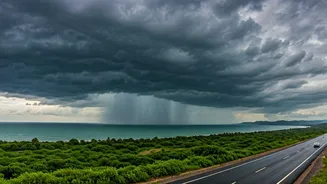
During the monsoon season, a low-pressure area, or trough, often forms in the Arabian Sea along India's west coast. This is known as an offshore trough. This system is a normal feature of the Southwest Monsoon and plays a crucial role in bringing rain
to coastal regions. The trough acts like a channel, pulling in moisture-laden westerly winds from the sea towards the land. When the trough is strong, it can lead to the formation of dense cloud bands, resulting in continuous and heavy rainfall over the coastal areas it affects, including Maharashtra. Its position can shift, determining which parts of the coast, from Kerala to Gujarat, receive the most intense rainfall.
Which Areas Are on High Alert?
The India Meteorological Department (IMD) has issued alerts for several districts in Maharashtra. An orange alert, indicating a high likelihood of heavy to very heavy rain, was issued for Mumbai, Thane, Palghar, and the broader Konkan region. Other districts, including Raigad, Ratnagiri, and Sindhudurg, are also under alert, with forecasts of significant rainfall accompanied by thunderstorms and strong winds. The ghat areas of Madhya Maharashtra are also expected to receive heavy rainfall. Even regions in Vidarbha, such as Nagpur and Amravati, are under yellow and orange alerts, respectively, as the monsoon remains active across the state.
Understanding IMD's Colour-Coded Alerts
The IMD uses a colour-coded system to communicate the severity of weather warnings. A 'Yellow' alert suggests residents should be aware or updated, as it indicates the possibility of heavy rainfall. An 'Orange' alert is a call to 'be prepared,' as it signifies a forecast of very heavy rainfall, which could lead to disruptions like waterlogging and traffic snarls. The highest level, a 'Red' alert, means authorities and the public must 'take action,' as it warns of extremely heavy rainfall that could cause significant disruptions to transport and power and poses a potential risk to life. Residents in areas under orange or red alerts should be especially cautious.
Essential Safety and Travel Precautions
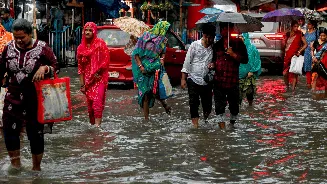
During periods of heavy rainfall, safety is paramount. Authorities advise residents to stay informed by monitoring official weather updates from the IMD. It is crucial to avoid wading through flooded streets, which may hide open manholes, debris, or downed power lines. Driving through waterlogged areas is also discouraged, as it can damage your vehicle or lead to it being swept away. If you must travel, be aware of potential delays and diversions affecting public transport like local trains and BEST buses in Mumbai. At home, unplug electrical appliances when not in use to prevent short circuits and prepare an emergency kit with essentials like drinking water, non-perishable food, a flashlight, and a first-aid kit.
Potential Impact and What to Expect
The heavy downpours are expected to have a significant impact on daily life. Waterlogging in low-lying areas is a primary concern, often leading to severe traffic congestion and disrupting commute times. Local train services, the lifeline of Mumbai, can experience delays or suspensions on certain lines due to water on the tracks. Authorities, including the Brihanmumbai Municipal Corporation (BMC), have deployed response teams to manage the situation, clear flooded areas, and address rain-related incidents. Citizens are urged to exercise caution and, if possible, avoid non-essential travel during the peak hours of the rainfall warnings.