



Why Damp Fur Is a Danger Zone
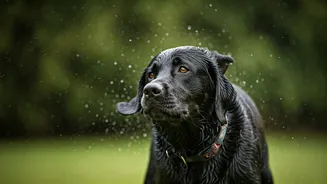
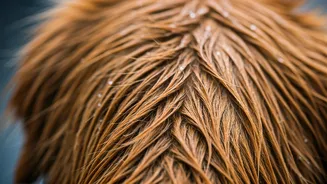
While a fluffy, clean coat looks great, its role in monsoon health is more than just cosmetic. During these wet and humid months, your pet's fur can easily become a breeding ground for bacteria and fungi. When fur remains damp for extended periods, it traps
moisture against the skin. This creates the perfect warm, humid micro-environment for pathogens to thrive, leading to a host of problems. The most common issues include fungal infections (like ringworm), bacterial infections (pyoderma), and severe skin irritation or 'hot spots'. Matted fur exacerbates the problem, as it prevents air from circulating and traps dirt and moisture even more effectively. Think of clean, dry fur as your pet's first line of defence against the season's specific health challenges.
The Golden Rules of Monsoon Bathing
It might seem counterintuitive to bathe your pet when everything is already wet, but strategic bathing is essential. The goal isn't necessarily more frequent baths, but smarter ones. If your pet gets particularly muddy, a rinse-down is unavoidable. However, for regular grooming, stick to a reasonable schedule—bathing too often can strip the skin of its natural oils, weakening its protective barrier. When you do bathe them, consider using a medicated or anti-fungal shampoo recommended by your vet. These can help proactively manage the risk of skin infections. Always rinse thoroughly to ensure no shampoo residue is left behind, as this can be a major skin irritant. After the bath, the drying process becomes the most critical step.
Mastering the Art of Drying
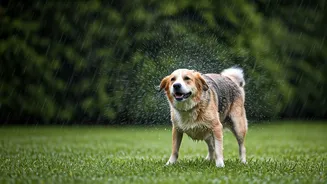
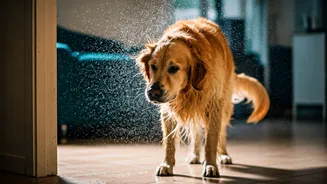
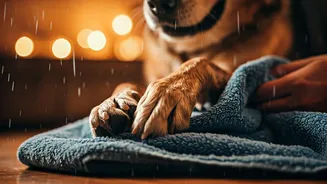
A 'mostly dry' pet is a 'still wet' pet. During the monsoon, you need to be extra diligent about drying. A simple towel-off is rarely sufficient, especially for dogs with thick double coats. Start with a highly absorbent microfibre towel to get rid of excess water. Follow up with a blow-dryer on a low-heat, low-speed setting. Keep the dryer moving constantly and at a safe distance from the skin to prevent burns. Pay special attention to areas like the armpits, groin, ears, and between the toes, as these spots are prone to trapping moisture. For pets who are scared of the noise, try using a 'happy hoodie' or cotton balls in their ears, and reward them with treats to create a positive association. Ensuring your pet is 100% bone-dry is the single most effective way to prevent fungal growth.
Your Daily Brushing Ritual
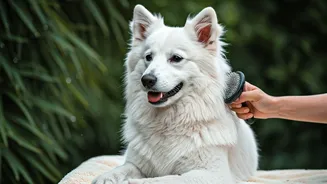
If you do only one thing for your pet's coat this monsoon, make it daily brushing. A quick 5-10 minute session each day works wonders. Brushing helps remove loose fur, dirt, and debris collected during walks. It prevents mats from forming, which are notorious for trapping moisture and hiding nasty skin infections. Most importantly, daily brushing is your chance to give your pet a quick health check. As you brush, you can easily spot any early signs of trouble—redness, rashes, ticks, fleas, or tender spots—before they become major problems. This simple habit improves air circulation to the skin and distributes natural oils, keeping the coat healthy and resilient.
Don't Forget the Paws and Ears
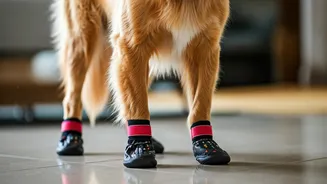
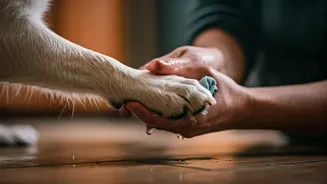
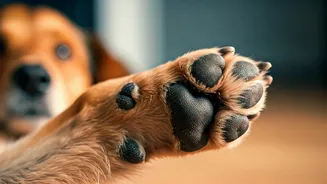
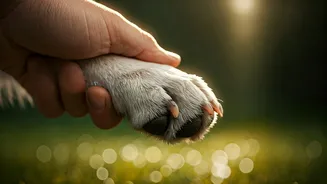
Paws and ears require special attention during the monsoon. Your pet's paws are in constant contact with wet, muddy, and potentially contaminated surfaces. After every single walk, make it a rule to wash their paws with lukewarm water and a mild antiseptic solution (as advised by your vet). Then, dry them completely, paying close attention to the spaces between the paw pads. This helps prevent interdigital cysts and infections. Similarly, the humid climate can increase the risk of ear infections. Check your pet's ears daily for any redness, discharge, or foul odour. Keep them clean and dry, especially after a bath or a romp in the rain. A weekly cleaning with a vet-approved ear solution can be a good preventative measure.