


The Social Media Paradox
It’s a curious contradiction: centuries-old dietary wisdom packaged into 60-second TikTok videos and perfectly curated Instagram grids. The hashtag #TraditionalDiet is gaining traction, sitting alongside specific powerhouses like #MediterraneanDiet. These
aren't new, complex regimes invented by celebrity trainers. Instead, they are a celebration of simplicity—whole foods, time-tested combinations, and eating patterns passed down through generations. This viral resurgence isn't about a single 'miracle' food, but a holistic lifestyle. The irony is that the very platforms known for promoting quick-fix fads are now host to a movement that champions slow, sustainable eating. It seems we are using modern tools to reconnect with ancient truths.
The Enduring Appeal of the Mediterranean
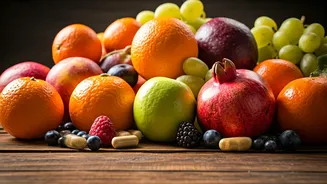
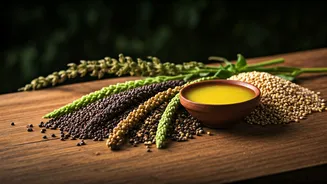
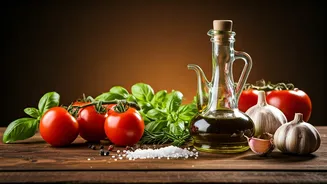
When we talk about traditional diets, the Mediterranean diet is often the first to come to mind, and for good reason. It’s consistently ranked as one of the healthiest eating patterns by scientists and nutritionists. But its current viral status isn't just about heart health. Social media has romanticised its core elements: vibrant salads drizzled with olive oil, fresh fish, colourful vegetables, whole grains, and the occasional glass of red wine. It’s less of a restrictive 'diet' and more of an aspirational lifestyle—one that evokes sun-drenched coastlines and long, communal meals. Its principles are simple: eat real food, prioritise plants, choose healthy fats, and enjoy your meals. This straightforward, pleasurable approach is a refreshing antidote to the rigid calorie-counting of other diet trends.
The Wisdom of ‘Ghar ka Khana’
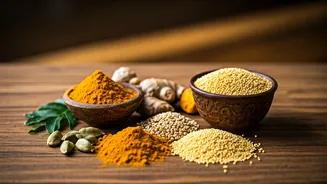
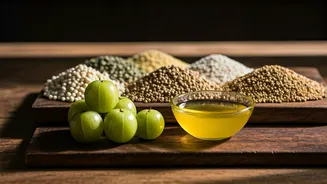
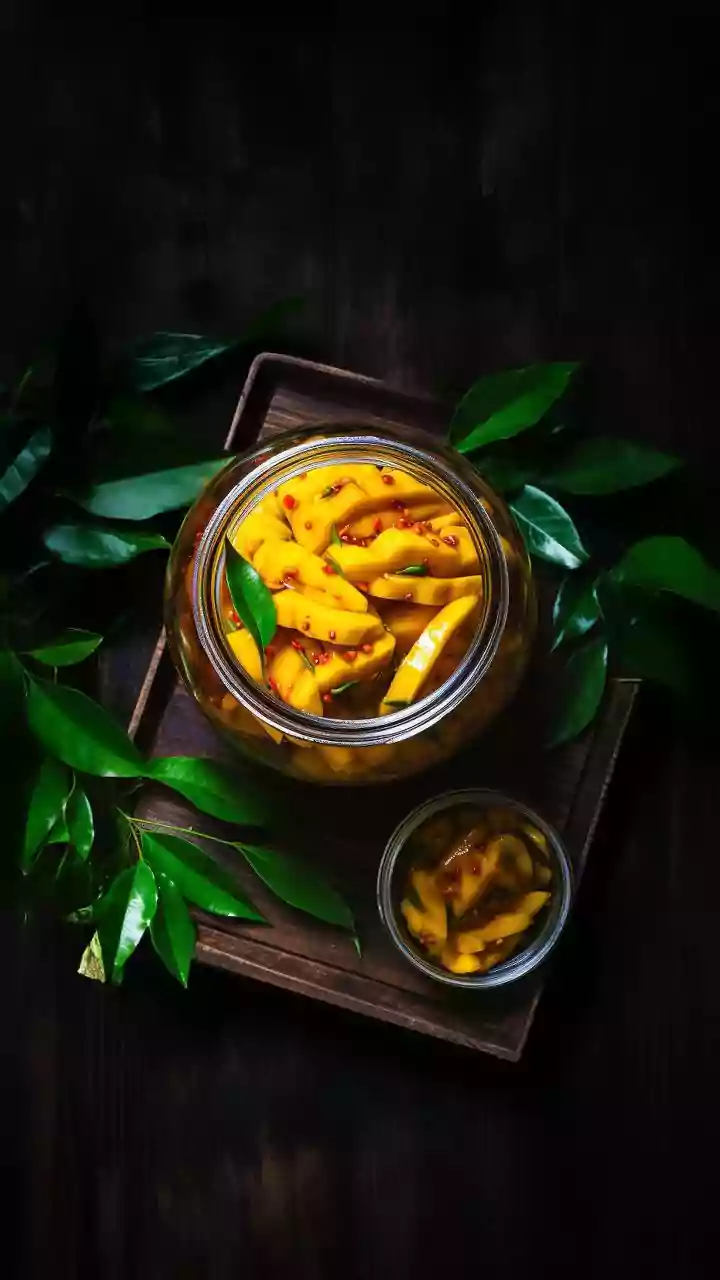
While the world discovers the Mediterranean, many in India are realising the treasure they’ve had all along: 'ghar ka khana'. For generations, the balanced Indian thali has been a masterclass in nutrition without needing a fancy name. It naturally incorporates all food groups—carbohydrates from roti or rice, protein from dal or legumes, vitamins and minerals from a variety of sabzis, and healthy fats from ghee. The use of spices like turmeric, ginger, and cumin isn't just for flavour; it's a cornerstone of Ayurvedic wisdom, offering anti-inflammatory and digestive benefits. The trend of romanticising traditional diets is prompting a welcome rediscovery of our own culinary heritage. It’s a reminder that we don’t need to look to other cultures for a 'perfect' diet; the blueprint for healthy, sustainable eating might just be in our grandmother’s kitchen.
Why Now? A Search for Authenticity
So, why this sudden, massive return to basics? The trend is more than just a passing interest; it's a cultural response to our modern food environment. After decades of being bombarded with ultra-processed foods, confusing nutritional advice, and unsustainable 'superfood' fads, people are exhausted. There's a growing distrust in industrial food systems and a deep craving for authenticity and connection. Traditional diets offer a sense of grounding. They connect us to a place, a culture, and a history. They are inherently sustainable, relying on local, seasonal produce. In a world of digital noise and chemical additives, turning to a plate of simple, wholesome food that has nourished people for centuries feels like an act of rebellion and self-care.