


Peering Back to the Cosmic Dawn
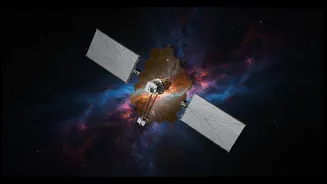
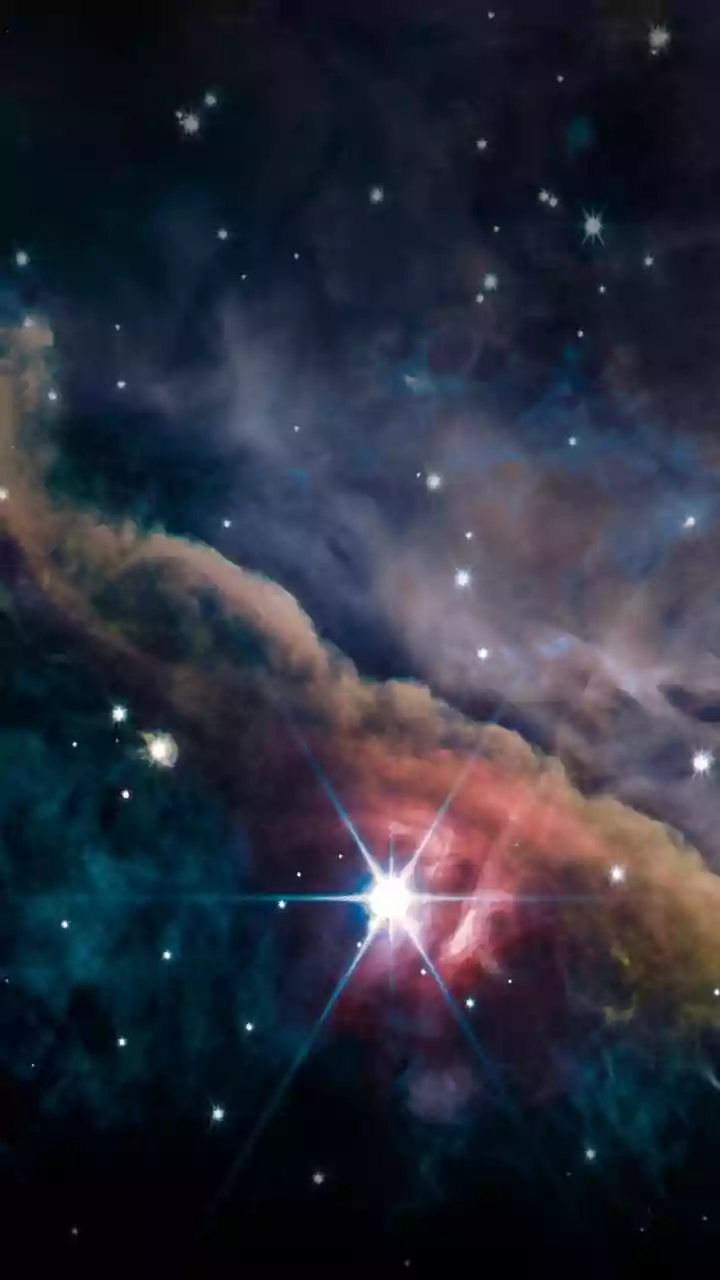
To understand our universe's present, we must look deep into its past. Thanks to powerful instruments like the James Webb Space Telescope (JWST), astronomers can now observe light that has traveled for over 13 billion years. This allows them to see galaxies
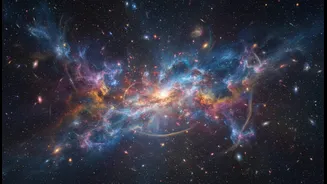
not as they are today, but as they were shortly after the Big Bang. This era, known as the early universe, was a time of intense activity. Recent observations have consistently challenged our models, revealing that galaxies grew more massive and complex far earlier than predicted. Instead of finding small, isolated galaxies, scientists are discovering huge, intricate systems already smashing into one another when the universe was just a fraction of its current age. These ancient collisions are more than just cosmic fireworks; they are fossil records holding clues about the very fabric of spacetime.
A Cosmic Demolition Derby
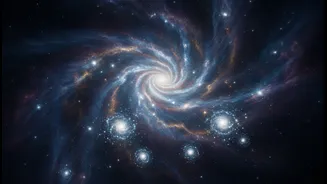
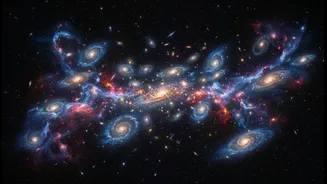
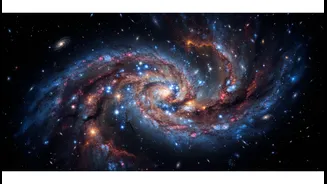
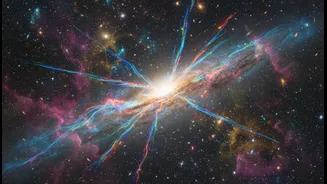
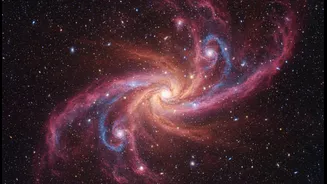
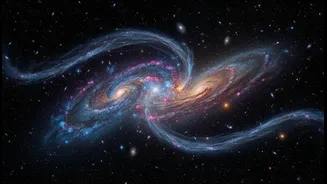
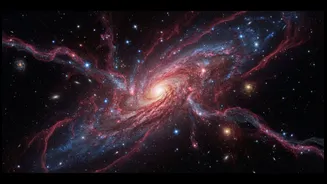
When we imagine a galaxy collision, we might picture two solid objects crashing. The reality is far more ghostly and elegant. Since galaxies are mostly empty space, collisions are less like car wrecks and more like two clouds of smoke merging. Gravity orchestrates a long and complex dance, with stars, gas, and dark matter being pulled into long streams and new shapes over millions of years. These mergers are not just destructive; they are profoundly creative. The shock waves from these encounters can compress vast clouds of gas, triggering furious bursts of star formation. This process is a primary driver of galaxy evolution, helping to build the giant, football-shaped elliptical galaxies we see in the universe today. Discoveries by JWST have revealed that these mega-mergers, involving five or even six galaxies at once, were happening much earlier and more frequently than previously thought.
Clues Written in Geometry
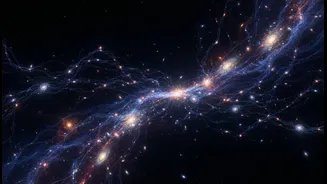
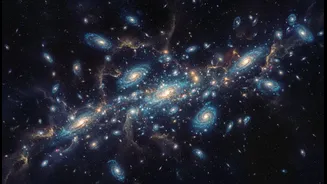
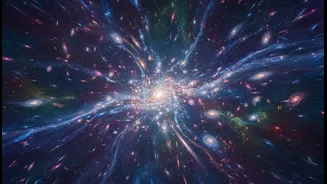
The headline's mention of 'geometry' refers to the shapes these cosmic smash-ups leave behind. When galaxies collide, the gravitational forces involved stretch and contort them, creating features like tidal tails—long, curving arms of stars and gas ejected from the main bodies. The shape, length, and motion of these tails act as a probe. By studying their geometry, astronomers can deduce the properties of the environment the galaxies are moving through. Recent observations of protoclusters—dense gatherings of young galaxies—show vast, glowing filaments of gas connecting them, ejected by these violent interactions. The specific structure of these filaments and the way material is distributed provides powerful evidence about the underlying medium.
A Fluid and Fuzzy Universe
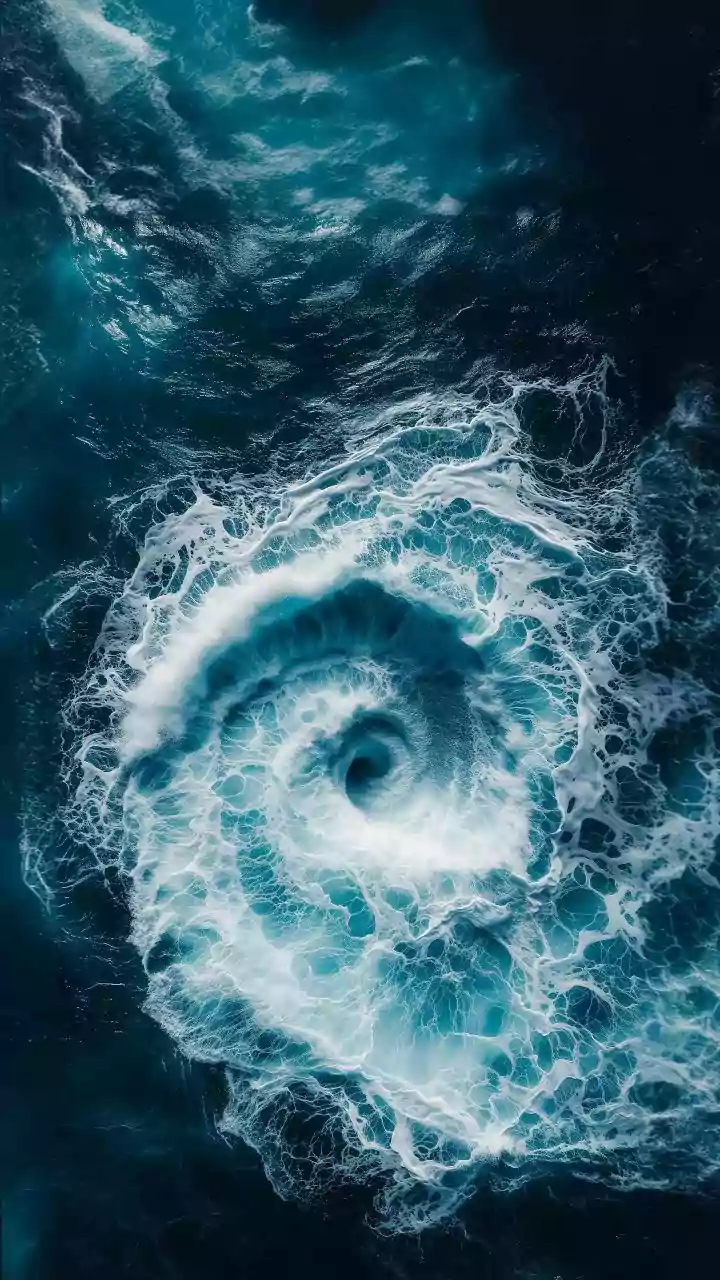
This brings us to the concept of a 'fluid' space. This doesn't mean space is literally a liquid, but that the distribution of matter within it, particularly the mysterious dark matter, may behave like one. Some theories propose that dark matter isn't made of large, cold particles, but of ultralight, 'fuzzy' particles that create a quantum, superfluid-like medium across the cosmos. In such a universe, the motion of galaxies would create wakes and turbulence, much like a boat moving through water. The observed geometry of early collisions—with their vast, coherent tidal arms and filamentary structures—fits surprisingly well with simulations of galaxies moving through a fluid or fuzzy medium. The way gas and stars are stripped and distributed suggests they are interacting with a dynamic, flowing background rather than moving through a static void. While dark matter's influence is dominant today, some studies suggest its effects were less pronounced in the early, gas-rich universe, allowing these fluid-like dynamics of normal matter to be more visible.
Rewriting the First Chapter of the Cosmos
The evidence that the early universe behaved like a dynamic fluid has profound implications. It forces us to rethink our models of structure formation. Standard cosmology, which assumes dark matter is 'cold', struggles to explain the rapid emergence of massive, complex galaxies. If, however, the cosmic web acted more like a fluid medium, it could have funneled matter into galaxies and clusters more efficiently, accelerating their growth. The violent, rapid mergers observed by JWST make more sense in a crowded, dynamic, fluid-like environment than in a more static, empty space. These findings help solve the puzzle of why so many massive galaxies appear to have stopped forming stars so early on; they may have simply been the result of massive, early mergers that used up all their gas in one spectacular burst.