







The Post-Shopping Stress
Unpacking groceries can feel like a chore, especially after the effort of shopping. Bags are often dropped on the nearest available surface, creating a cluttered mess that makes the kitchen unusable until it's cleared. This not only causes stress but
also delays getting perishable items into the fridge or freezer, potentially affecting their freshness. An organization expert suggests that instead of unpacking bag by bag, you should empty all bags onto a counter first to group similar items together. This chaos can lead to items being forgotten or stored improperly, contributing to food waste and costing you money in the long run. Establishing a system can turn this dreaded task into a quick, efficient process.
Defining Your Grocery Landing Zone
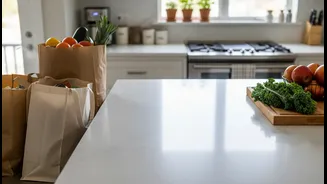
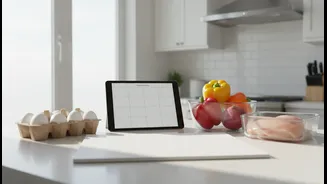
A 'landing zone' is a designated, clear space in your kitchen—typically a section of countertop—reserved exclusively for placing your groceries when you get home. Think of it as a decompression zone for your shopping. The idea is to have a single, uncluttered area where you can sort everything before it goes into its final storage spot. This prevents the haphazard pile-up and gives you a structured workspace. Your landing zone should be located conveniently between your home's entrance and your kitchen's main storage areas like the pantry, fridge, and freezer. Having this dedicated space makes the entire process of putting things away faster and far more organised.
How to Create Your Landing Zone
First, identify the best spot. An ideal landing zone is a clear stretch of counter near your refrigerator. If your counter space is limited, a small, sturdy kitchen cart or even a cleared dining table can work just as well. The key is consistency; always use the same spot. Before you go shopping, make sure this area is clean and completely empty. This simple prep work, which takes only a minute, removes the first barrier to unpacking and sets you up for success. When you return, place all your grocery bags in this zone and nowhere else. This small discipline prevents items from scattering and keeps the task contained.
The Efficient Sorting Strategy
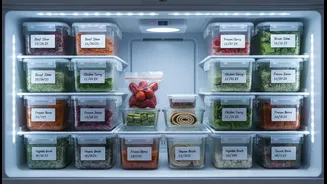
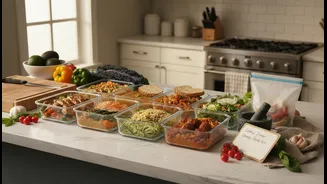
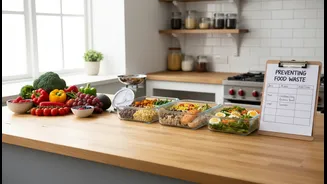
Once all your groceries are in the landing zone, the next step is to sort. Group items into categories based on where they will be stored: freezer items, refrigerator items, pantry goods, and fresh produce that stays on the counter. This systematic approach is much faster than putting away items one by one as you pull them from a bag. Prioritise putting away frozen and refrigerated goods first to maintain food safety and freshness. The Centers for Disease Control and Prevention (CDC) advises refrigerating perishables within two hours of purchase. After that, move on to pantry items. As you sort, follow the 'First In, First Out' (FIFO) rule used in professional kitchens: move older items to the front of your pantry or fridge and place new items behind them. This practice helps ensure you use up food before it expires, significantly cutting down on waste.
Proper Storage for Lasting Freshness
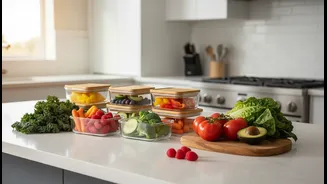
Knowing how to store different foods correctly is crucial for extending their life. For instance, do not wash produce like berries and leafy greens until you are ready to use them, as excess moisture encourages mould and wilting. Store fruits and vegetables separately, as some fruits release ethylene gas that can cause other produce to ripen and spoil faster. Keep items like milk and other dairy products on a main shelf in the fridge, not in the door, where the temperature is less stable. Potatoes, onions, and garlic should be kept in a cool, dark, and dry place, but don't store potatoes and onions together, as they can cause each other to spoil more quickly.