






South India’s Most Stunning Rail Routes
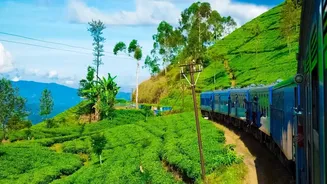
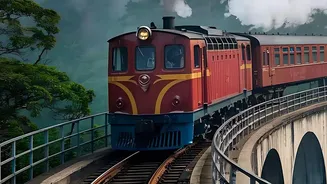
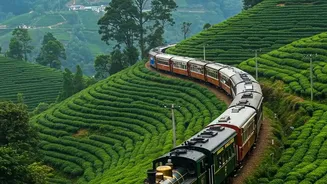
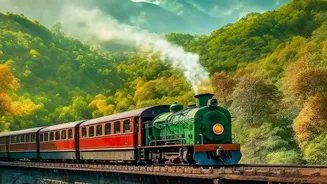
Before you book, get inspired by the incredible journeys on offer. The Nilgiri Mountain Railway, a UNESCO World Heritage site, chugs from Mettupalayam to the hill station of Ooty through tea gardens and dense forests. Another classic is the ride from Chennai
to Rameswaram, which features the breathtaking Pamban Bridge that runs over the sea. For coastal views, the short journey between Kanyakumari and Trivandrum is packed with vistas of coconut groves against the Arabian Sea. And the historic Punalur-Sengottai line cuts through the Western Ghats, offering a glimpse into one of the oldest mountain railway lines in India. These routes prove the journey is just as important as the destination.
Choosing Your Budget-Friendly Coach
Indian Railways offers several classes, but for budget travel, two are key: Second Class (2S) and Sleeper Class (SL). Second Class is the cheapest reserved option, offering basic bench-style seating. It's ideal for short, daytime journeys of a few hours. Sleeper Class is the quintessential Indian travel experience for overnight or long-distance trips. It features three-tiered berths in open-plan, non-air-conditioned compartments. While it lacks the amenities of AC coaches, it's incredibly economical and offers an authentic slice of life on the rails. For the absolute lowest cost, Unreserved General Class tickets are available, but these coaches can be extremely crowded and seats are not guaranteed.
Your Guide to Booking on IRCTC
The official Indian Railway Catering and Tourism Corporation (IRCTC) website and the IRCTC Rail Connect app are the best platforms for booking. Start by creating an account, which requires an Indian mobile number for verification. Once logged in, use the 'Plan My Journey' tool. Enter your departure and arrival stations, travel date, and preferred class (2S or SL). The system will show a list of available trains. Look for trains with 'AVL' (Available) status in your chosen class. After selecting your train, you'll proceed to enter passenger details before making a payment through options like UPI, net banking, or credit/debit cards.
Key Strategies for Scoring Cheap Tickets
The single most important rule for cheap train travel is to book well in advance. Bookings for most trains open 120 days before the departure date. Fares are static, but seats in cheaper classes like Sleeper (SL) and Second Sitting (2S) fill up extremely fast, especially on popular scenic routes. Booking early is the best way to secure a confirmed seat at the lowest price. Also, consider traveling during the off-season or on weekdays, when demand is lower. Flexibility with your travel dates by just a day or two can sometimes make the difference between getting a confirmed ticket and being put on a waitlist. For extremely popular trains like the Nilgiri toy train, tickets can sell out months ahead, so planning is crucial.
Understanding Waitlists and Other Options
If your chosen train shows 'WL' (Waitlist), it means all reserved seats are sold, and you will only get a seat if there are cancellations. While some waitlisted tickets get confirmed, it's a risk. For last-minute plans, the Tatkal quota opens one day before travel (10 AM for AC classes, 11 AM for non-AC), but tickets are more expensive and sell out in seconds. Some third-party apps and websites also offer booking services, but they often charge an agent fee. For a hassle-free and cost-effective booking, sticking to the official IRCTC platform and booking in advance remains the best strategy.