








Understanding the Bleisure Boom
Bleisure travel is the practice of extending a work trip with personal vacation days. Driven by a desire for a better work-life balance and the rise of flexible work policies, professionals in India and globally are embracing this model. Companies are also
taking note, with many now formalising policies to accommodate the trend, seeing it as a perk that boosts morale and aids retention. The appeal is simple: since the company covers the cost of getting to a destination, adding a few personal days for exploration becomes a cost-effective way to travel. However, this blend of professional and personal time can create confusion if not managed properly.
Drawing a Clear Line on Expenses
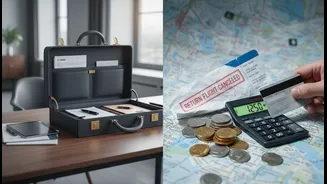
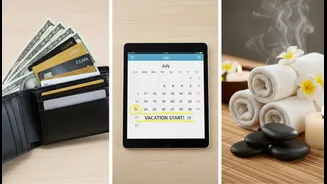
The most critical element to manage is finances. Without clear boundaries, expense reporting can become a significant headache for both the employee and the company. Before you even book your trip, have a transparent conversation with your manager or HR department. Understand your company's policy on what it will cover. Typically, employers pay for flights and accommodation only for the business portion of the trip. Any additional costs for extended hotel stays, personal meals, or sightseeing are the employee's responsibility. To keep things clean, use a corporate card for all business-related spending and a personal card for your leisure activities. This separation simplifies expense claims and prevents any compliance issues down the line.
Protecting Your Leave and Setting Boundaries
Just as you separate funds, you must also separate your time. The 'leisure' part of your trip should be treated as formal time off. This means applying for annual leave for the days you plan to use for vacation. This simple step creates a clear and official transition from work mode to holiday mode. Once your work obligations are complete, disconnect. Set a clear out-of-office message, communicate your unavailability to colleagues, and resist the temptation to check emails. Some travellers even suggest changing hotels for the leisure portion of the trip to create a stronger psychological divide between work and relaxation. Failing to set these boundaries can lead to your personal time being interrupted, defeating the purpose of the extension.
The Forgotten Component: Planning for Recovery
Many bleisure travellers make a crucial mistake: they pack their leisure days with activities and fly straight back to work, arriving exhausted. Travel, even for pleasure, takes a physical and mental toll. Disruptions to sleep schedules, diet, and routine can leave you feeling depleted. A successful bleisure trip includes a plan for recovery. This might mean adding your leisure days before the work portion to acclimatise to a new time zone. More commonly, it means scheduling a buffer day at home after you return. Instead of jumping from an overnight flight straight into a day of meetings, give yourself 24 hours to rest, unpack, and readjust. This ensures you return to work feeling refreshed and productive, not burnt out from your 'break'.