

Paths of Myth and History
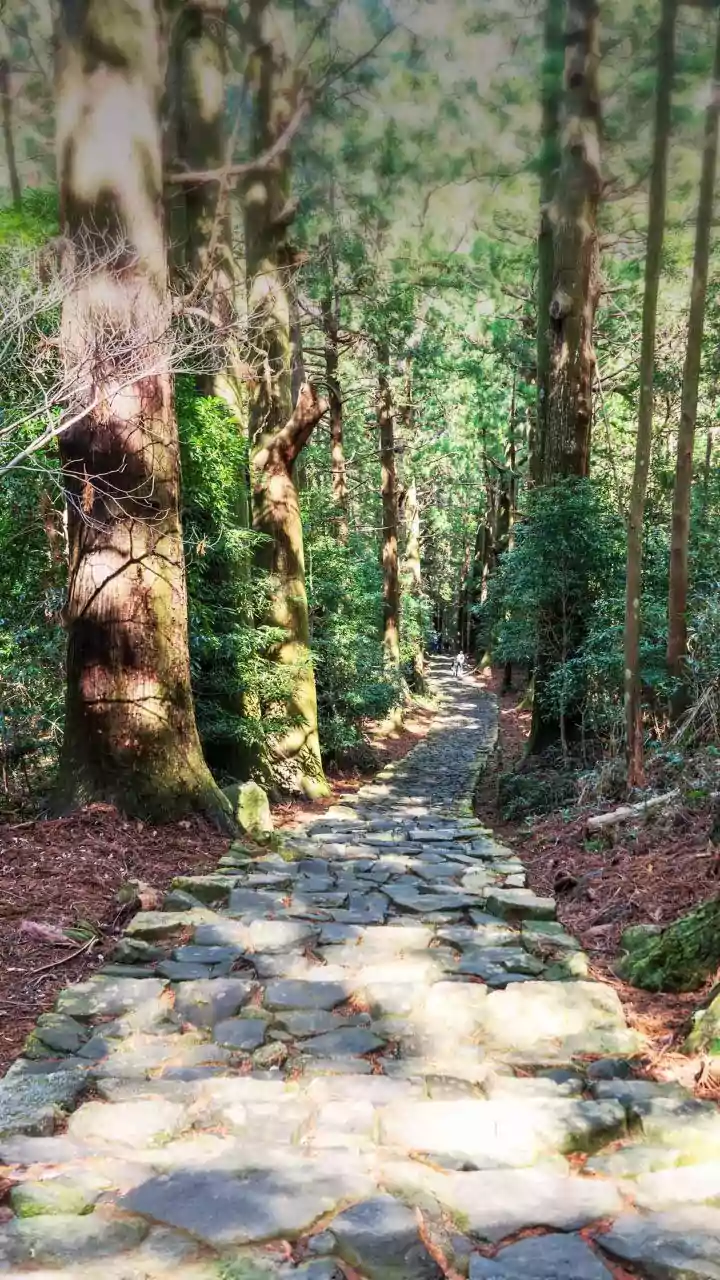
For millennia, before roads crisscrossed the Hellenic landscape, a network of footpaths and mule tracks known as 'kalderimi' connected its communities. These weren't built for tourism but for survival, trade, and pilgrimage. Today, these same routes offer
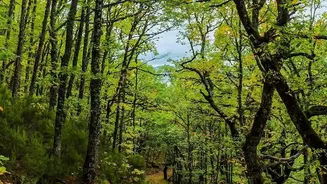
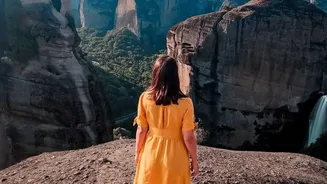
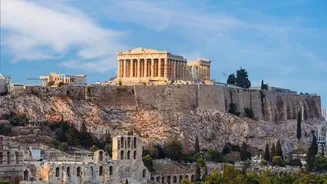
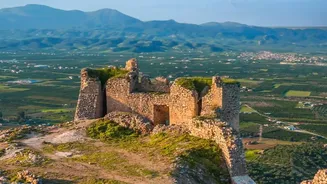
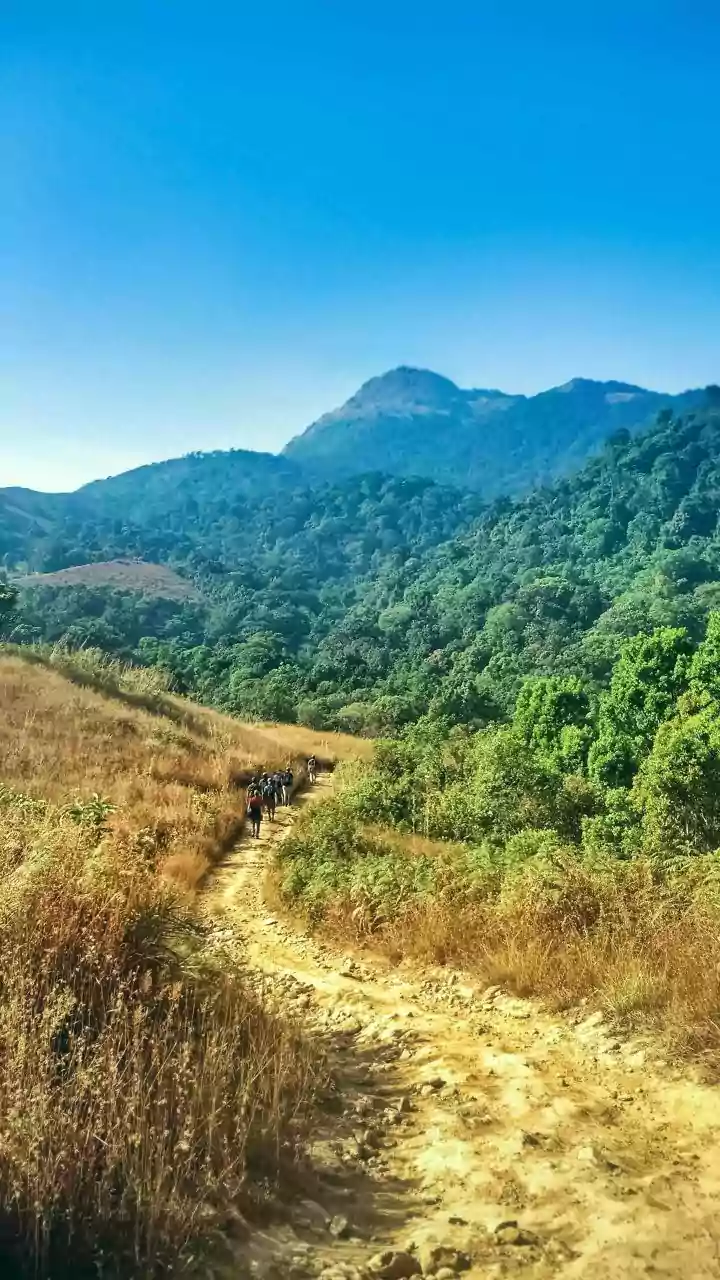
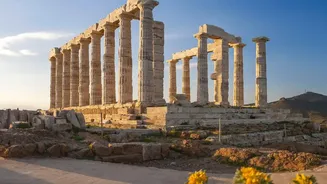
an unparalleled way to experience the country's soul. You can trace the Sacred Way to Delphi, hike the mythical trails of Mount Olympus, or traverse the dramatic 16-kilometre Samaria Gorge in Crete. These paths cut through breathtaking scenery, from coastal cliffs to alpine meadows, linking ancient ruins, remote monasteries, and villages that time seems to have forgotten. Every step is a direct connection to a past where geography shaped life, belief, and community.
The Challenge of Keeping Paths Open
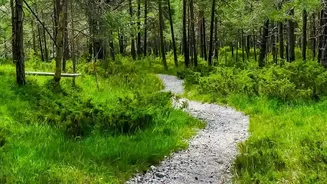
The romance of an ancient trail quickly fades when it becomes impassable. As modern roads replaced them, many historic paths were abandoned and became overgrown with thorny bushes and dense vegetation or were even bulldozed for new construction. Maintaining them is a constant battle. The responsibility often falls not to the state, but to dedicated local municipalities, passionate volunteer groups, and non-profit organizations. These groups work tirelessly to clear fallen trees, cut back aggressive spring growth, and repair stone sections. On islands like Andros, the 'Andros Routes' project has successfully restored and signposted over 160km of trails, relying heavily on the work of volunteers known as 'Route Angels' to keep them accessible for locals and hikers alike.
A Blueprint for Preservation
The Menalon Trail in the Arcadia region of the Peloponnese stands as a shining example of what's possible. This 75-kilometre route, which winds through the dramatic Lousios Gorge and connects nine traditional villages, was the first in Greece to receive 'Leading Quality Trails – Best of Europe' certification from the European Ramblers Association. This certification isn't just a label; it guarantees that the trail meets 41 rigorous criteria for safety, reliability, and clear signposting. Its success, driven by a local social cooperative, has boosted sustainable tourism, extended the visitor season, and provided a clear blueprint for how other regions can revive and protect their own historic routes.
Respecting the Greek Climate
Trail access is only half the battle; the other is weather. The Greek climate, while beautiful, can be extreme and poses significant risks. Hiking during the summer months of July and August is often discouraged due to intense heatwaves, which can lead to dehydration and heatstroke, especially on exposed trails with little shade. The best seasons for hiking are spring (April-May) and autumn (September-October). In spring, the landscape is lush and covered in wildflowers. In autumn, the temperatures are pleasant, and the sea is still warm from the summer sun. Winter brings its own challenges, with heavy rain in coastal areas and significant snow and ice in the mountains, making many high-altitude trails impassable.
How to Prepare for Your Hike
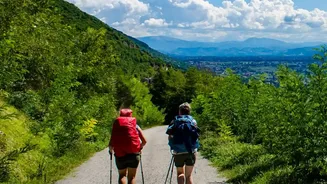
A safe and memorable Greek hiking adventure requires careful planning. First, always check the season. Stick to spring and autumn for the best conditions. Never hike alone; many accidents occur when solo hikers can't get help. Even if trails are signposted, signs can be old or missing, so carry a reliable physical map or a GPS device with offline maps. Cellular service is often unreliable in remote gorges and mountains. Wear sturdy hiking shoes and long pants to protect against rough terrain and thorny bushes. Finally, before you set out, consult with locals or hiking associations about the current condition of your chosen path. Their on-the-ground knowledge is invaluable, as a marked trail isn't always a guarantee of a safe or clear passage.