

Beyond the Polished White Grain
For decades, the Indian pantry was dominated by a few select varieties of rice, with polished white grains reigning supreme. They were consistent, cooked quickly, and became the default for everything from daily meals to festive biryanis. But a quiet
and flavourful revolution is underway. Urban consumers, chefs, and home cooks are now looking past the mainstream and rediscovering India's staggering diversity of indigenous rice. Varieties with names like Gobindobhog, Chak-hao, and Kattuyanam are moving from rural obscurity to the centre of the plate in city kitchens. This shift isn’t just about trying something new; it's a deeper conversation about health, flavour, sustainability, and cultural identity.
A Quest for Health and Nutrition
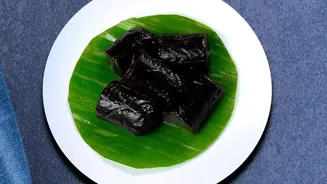
One of the biggest drivers of this trend is a growing consciousness around health and wellness. Many urban Indians are critically re-evaluating the nutritional value of their daily meals. Polished white rice, stripped of its bran and germ, offers little more than carbohydrates. In contrast, traditional heirloom varieties are nutritional powerhouses. Manipur's black rice, Chak-hao, is packed with antioxidants, while South Indian red rice varieties like Kullakar are rich in fibre, iron, and have a lower glycemic index, making them a better choice for managing blood sugar. These unpolished grains keep their nutrient-dense layers intact, offering a wealth of vitamins and minerals that their processed counterparts lack. As people seek to eat more consciously, these grains provide a simple and effective way to enhance the nutritional profile of a staple food.
The Allure of Flavour and Terroir
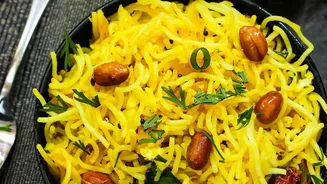
Chefs and adventurous foodies are also championing this revival, driven by a search for unique flavours, aromas, and textures. They've discovered that not all rice is a neutral canvas. West Bengal's Gobindobhog, a short-grain aromatic rice, has a naturally buttery flavour perfect for kheer or a simple pulao. Kerala's Jeerakasala offers a delicate fragrance that transforms a biryani. Just like wine has terroir, rice does too. Its taste is shaped by the soil, water, and climate of the region it's grown in. This diversity opens up a new world of culinary possibilities, allowing cooks to pair specific rice varieties with different dishes to elevate the final outcome. This shift encourages a more nuanced appreciation of rice, not just as a filler but as a key flavour component.
Reviving Agricultural Heritage
This culinary trend is intrinsically linked to a larger movement of agricultural revival and sustainability. India was once home to over 100,000 varieties of rice, a rich biodiversity that was severely eroded by the Green Revolution's focus on high-yield monoculture. Many of these indigenous varieties, or landraces, are naturally resilient and well-adapted to local conditions, often requiring fewer chemical fertilisers and pesticides. Some are flood-tolerant, others are drought-resistant, and many can thrive in saline coastal soil. By creating a market for these grains, urban consumers are supporting the farmers and conservationists who are working to preserve this vital genetic heritage. It's a recognition that protecting biodiversity is crucial for food security in an era of climate change.
From Niche to Accessible
What was once a niche interest is now becoming more accessible. Thanks to the efforts of farmer-producer organisations, organic brands, and government initiatives like the Geographical Indication (GI) tag, these rices are more readily available. You can now find Chak-hao from Manipur, which received a GI tag, or Gobindobhog from West Bengal in specialty stores and on e-commerce platforms across the country. This increased visibility and availability are crucial for turning a conversation into a sustained movement. As more people try these varieties and appreciate their unique qualities, the demand grows, creating a virtuous cycle that benefits farmers, consumers, and the environment alike.