




The Hidden Risks in Tap Water
In many parts of the world, turning on the tap for a drink of water is a simple, safe act. For travelers, however, it can be a gamble. Tap water in destinations with inadequate treatment and sanitation can be a vessel for invisible threats. [1] Microscopic
organisms like bacteria (E. coli, Salmonella, Cholera), viruses (Hepatitis A, Norovirus), and protozoa (Giardia, Cryptosporidium) can contaminate water supplies. [2, 6] These pathogens are leading causes of traveler's diarrhea, an ailment that affects millions of international travelers each year and can swiftly ruin a vacation. [6, 14] While locals may have developed some immunity to regional microbes, a visitor's system is often unprepared, making them more susceptible to illness from what appears to be clean water. [1, 11] The U.S. Centers for Disease Control and Prevention (CDC) warns that contamination isn't just a risk when drinking; it can also come from brushing your teeth, water used in cooking, and even getting water in your mouth while showering. [1]
The Bottled Water Dilemma
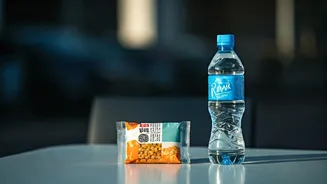
The most common solution for travelers is to reach for bottled water. Commercially sealed bottles are generally a safe bet. [1] However, this approach has significant downsides. Firstly, the environmental toll is enormous. The production of plastic bottles requires millions of barrels of oil, and many travel destinations lack the infrastructure to recycle, leading to massive plastic pollution. [21, 29] Research shows the environmental impact of bottled water can be up to 3,500 times greater than tap water. [28] Secondly, there's the cost, which can be 500 times more than tap water and adds up quickly. [28, 29] Finally, safety isn't guaranteed. In some regions, counterfeit bottled water is a concern, where used bottles are refilled with tap water and resealed with glue. [11, 14] Experts advise carefully inspecting the seal on any bottle before drinking and ensuring you are the one to break it. [11]
Filtering vs. Purifying: What's the Difference?
For travelers looking for a more sustainable and reliable solution, personal water treatment systems are the answer. But it's crucial to understand the difference between filters and purifiers. A water *filter* works like a physical strainer, using microscopic pores to remove larger pathogens like protozoa and bacteria. [4, 7] This is generally sufficient for travel in North America and other developed regions where the main threats are bacterial. [8] A water *purifier* offers a higher level of protection by also eliminating or deactivating viruses, which are too small for most filters to catch. [4, 8, 10] Purification can be achieved through various methods, including UV light, chemicals, or advanced filter media. [7, 10] For travel in developing countries in Latin America, Africa, the Middle East, and Asia, where viruses like Hepatitis A are a concern, a purifier is the safer choice. [6, 8]
Your Personal Hydration Toolkit
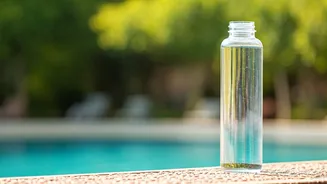
Several types of portable water treatment devices are available, each suited to different needs. * **Filter/Purifier Bottles:** These all-in-one bottles are incredibly convenient. You simply fill the bottle from a tap or stream and the built-in element cleans the water as you drink. [7] They are a great option for city travel and day trips. * **UV Purifiers:** These are small, pen-like devices that use ultraviolet light to scramble the DNA of bacteria, viruses, and protozoa, rendering them harmless. [10, 21] You insert the wand into a bottle of clear water and stir for a minute or two. [10] They are lightweight and effective but require batteries and don't remove sediment. * **Chemical Purification:** Iodine or chlorine dioxide tablets are a lightweight, inexpensive, and effective backup option. [10, 13] They kill bacteria and viruses but can take anywhere from 30 minutes to four hours to work, and some may leave a chemical taste. [5] * **Boiling:** The most reliable method of all. Bringing water to a rolling boil for one full minute kills all common pathogens. [5, 11] While effective, it's often impractical for daily hydration needs while on the move.
Beyond the Water Glass: Other Risks
Securing safe drinking water is only half the battle. Pathogens can also be hiding in other places. A common culprit is ice. Freezing does not kill most microorganisms, so you should always ask for drinks without ice unless you can be certain it was made from purified water. [2, 11] Similarly, be wary of fountain drinks, as they are often mixed with local tap water. [1] Raw fruits and vegetables that may have been washed in contaminated water also pose a risk; the safest options are fruits you can peel yourself, like bananas and oranges. [3, 19] When brushing your teeth, use bottled or purified water to be safe. [1, 19]