


Embracing the Zero-Waste Kitchen
In many Indian households, the principle of using every part of an ingredient is a time-honoured tradition. This zero-waste philosophy is not just about saving money; it’s about respecting our resources and unlocking hidden flavours. Turning leftover
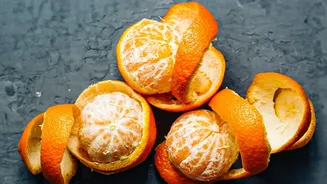
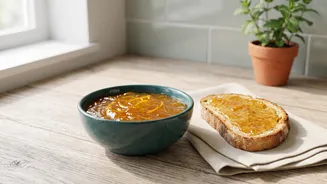
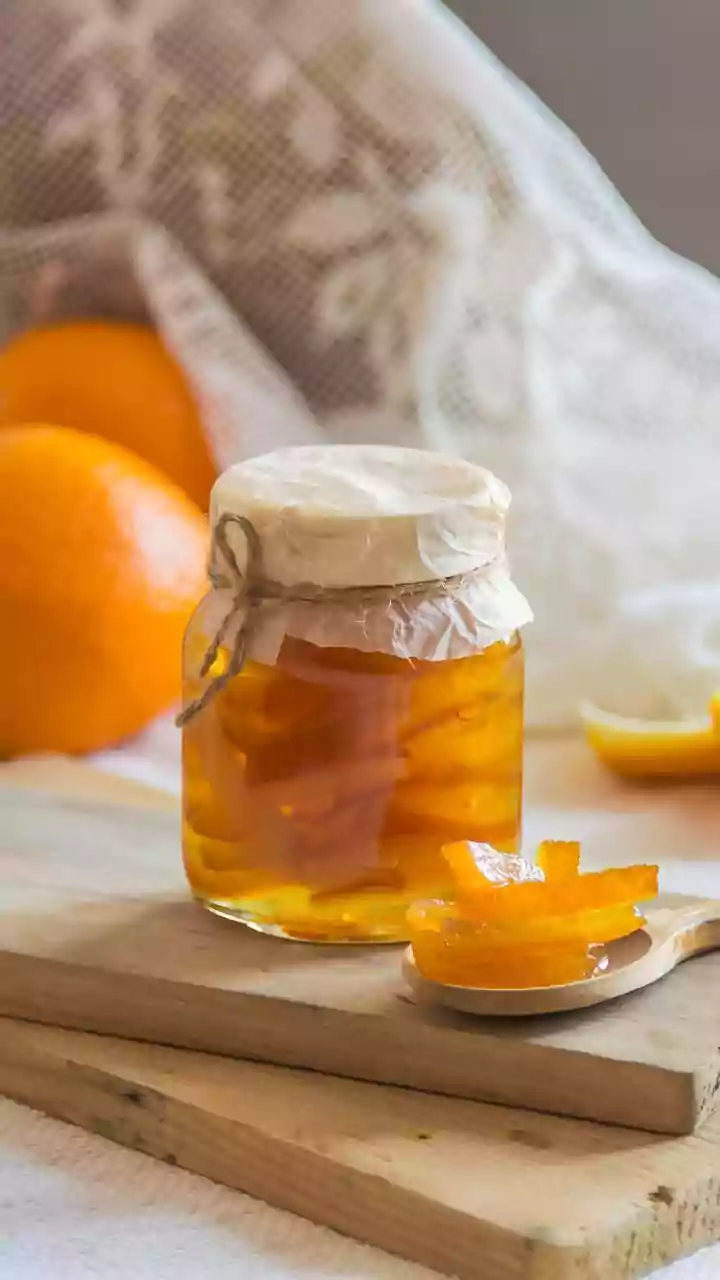
orange peels into marmalade is a perfect example of this spirit. Instead of heading for the bin, those rinds are packed with pectin and essential oils, the two key components for a brilliant preserve. This process celebrates resourcefulness, transforming what many consider 'trash' into a culinary treasure that can brighten up your breakfast toast for weeks to come. It’s a simple, satisfying project that reduces food waste and rewards you with a delicious, homemade product.
Gathering Your Simple Ingredients
You don't need a long list of fancy ingredients to make excellent marmalade. The beauty of this recipe lies in its simplicity. All you really need are the leftover peels from about 4-5 large oranges, an equal weight of sugar, and water. A single lemon is also crucial, as its juice helps the natural pectin to set properly. For equipment, you'll want a sturdy, heavy-bottomed pot, a sharp knife, a chopping board, and a few clean glass jars with tight-fitting lids. Using organic or unwaxed oranges is recommended, since you'll be consuming the peel. If you only have regular oranges, give them a thorough scrub with warm water before you begin.
The All-Important Prep Work
Proper preparation is the key to a marmalade that is flavourful, not bitter. After juicing your oranges, use a spoon to scrape out any remaining pulp from the peels. Next, you need to decide how much of the white pith to keep. The pith is rich in pectin, which is essential for getting your marmalade to set, but it can also be bitter. A good compromise is to gently scrape away about half of the white layer with a knife. Once prepped, slice the peels into thin, uniform strips. To further reduce bitterness, many cooks recommend boiling the peels. Place the sliced rinds in your pot, cover them with cold water, bring to a boil, and simmer for about 10 minutes. Drain the water and repeat the process once more. This step softens the peels and mellows their flavour significantly.
Simmering Your Way to Perfection
After the final boil and drain, return the softened peels to the pot. Add fresh water—enough to cover the peels—and the juice of one lemon. Bring this mixture to a simmer and cook for about 30-40 minutes, or until the peels are very tender. Now it’s time to add the sugar. Pour it in and stir continuously over medium heat until all the granules have completely dissolved. Once the sugar is dissolved, increase the heat and bring the mixture to a rolling boil. Continue boiling, stirring occasionally to prevent it from sticking to the bottom of the pot. The mixture will gradually thicken and darken in colour as the water evaporates and the sugar caramelises. This stage can take anywhere from 20 to 40 minutes.
Knowing When the Marmalade Is Set
This is the most critical step. How do you know when your marmalade is ready? There are a couple of reliable methods. The most common is the 'plate test'. Before you start cooking, place a few small plates in your freezer. When you think the marmalade is getting close, spoon a small dollop onto a cold plate and return it to the freezer for a minute. If the mixture wrinkles when you nudge it with your finger, it’s ready. If it’s still runny, continue boiling for another 5-10 minutes and test again. Another sign is the temperature; if you have a kitchen thermometer, the setting point for marmalade is around 105°C (220°F). Once it reaches this point, take it off the heat immediately.
Jarring and Storing Your Creation
While your marmalade is in its final boil, you should sterilise your glass jars. The easiest way is to wash them thoroughly with hot, soapy water, rinse them well, and then place them in a preheated oven at a low temperature (around 120°C) for 15 minutes. Once the marmalade is ready, let it sit off the heat for about 10 minutes. This allows the peel to distribute evenly throughout the jelly instead of sinking to the bottom. Carefully ladle the hot marmalade into the hot, sterilised jars, leaving a small amount of headspace at the top. Seal the lids tightly while the jars are still hot. As the marmalade cools, you will hear a 'pop' sound, which indicates a proper vacuum seal has formed. Stored in a cool, dark place, your marmalade will last for months.