






The Science of Stagnant Air
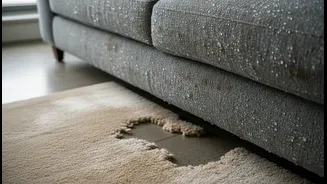
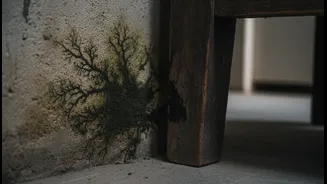
The core issue isn't the furniture itself, but what happens in the tiny, trapped space behind it. When a large item like a sofa, cabinet, or bedhead is pushed flush against a wall, it blocks air circulation. This creates a pocket of stagnant air. During
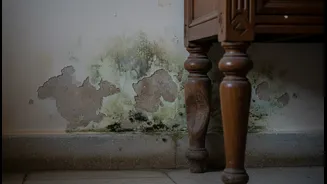
damp seasons, the air in our homes is naturally high in humidity. This moisture-laden air gets trapped in these unventilated gaps. Exterior walls are often cooler than the indoor air, and when the warm, humid air makes contact with this cooler surface, condensation occurs, leading to damp patches that can't easily dry out. This creates the perfect environment for mould and mildew to thrive, often completely out of sight.
Why Monsoon is a Danger Zone
In India, the monsoon season dramatically increases the risk. From June to September, humidity levels can soar, making almost every home susceptible to dampness. This isn't just about rainwater leaking in; it's about the sheer amount of moisture in the atmosphere. Wooden furniture is especially vulnerable, as it can absorb this moisture, leading to swelling, warping, and fungal growth. The combination of high ambient humidity and poor ventilation behind furniture creates a guaranteed recipe for trouble, turning a hidden corner into a hotspot for mould that can damage your walls, ruin your furniture, and spread unpleasant musty odours throughout your home.
The Unseen Health Risks
Beyond the cosmetic damage, mould poses a significant health risk. Mould spores are microscopic particles that become airborne and can be inhaled easily. For many people, exposure can trigger allergic reactions like sneezing, coughing, skin rashes, and itchy eyes. For individuals with asthma or other respiratory conditions, particularly children, these spores can lead to more severe flare-ups and breathing difficulties. Long-term exposure to certain types of mould can weaken the immune system and lead to more persistent health issues, making it crucial to prevent its growth in the first place.
The Golden Rule: Create a Breathing Gap
The most effective solution is remarkably simple: give your furniture space to breathe. By pulling furniture even a few inches away from the wall, you allow air to circulate freely. Experts recommend a gap of at least 2-5 inches to ensure proper airflow. This simple act prevents moist air from getting trapped and allows any condensation that forms on the wall to evaporate. This is particularly important for furniture placed against external walls, which tend to be colder and more prone to condensation. Making this small adjustment helps maintain a healthier environment for both your home and your family.
Extra Steps for a Dry Home
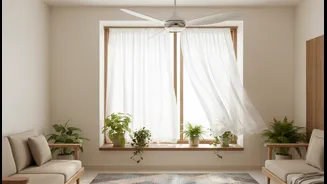
While creating a gap is key, you can take other steps to combat monsoon humidity. Investing in a dehumidifier can actively remove excess moisture from the air, keeping indoor humidity levels below the 60% threshold where mould begins to grow. On dry, sunny days, open windows to promote cross-ventilation and allow fresh air to circulate. Placing moisture absorbers like silica gel packs or activated charcoal in enclosed spaces like wardrobes and cabinets can also help. Finally, regularly inspect for any leaks in your roof or walls and get them repaired promptly to prevent water from seeping in.
Spotting the Early Warning Signs
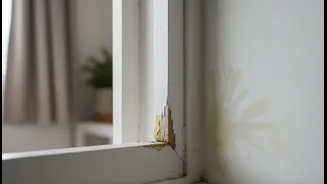
It's wise to be vigilant and catch problems before they escalate. A musty or earthy smell is often the first indicator of hidden mould growth. When you clean, take a moment to check behind and under large furniture pieces for any signs of discolouration, dark spots, or peeling paint on the wall. Also inspect the back of the furniture itself for any signs of mildew or dampness. If you find a small amount of mould, you can often clean it with a solution of vinegar and water, but ensure the area is dried thoroughly afterward. Catching it early can prevent a small issue from becoming a major remediation project.