





The Runner's Nemesis: Hitting the Wall
For endurance athletes, 'hitting the wall' or 'bonking' is a catastrophic energy crash. This isn't just a feeling of tiredness; it's a physiological event where the body's primary fuel source, glucose, plummets. Glucose comes from carbohydrates and is stored
as glycogen in our muscles and liver. During a long run, these glycogen stores are depleted. When they run low, your blood sugar can drop, leading to significant fatigue, dizziness, and a serious decline in performance. For decades, managing this has been a matter of guesswork, relying on generalized advice for when to consume energy gels or drinks. Athletes had to go by feel, which can be unreliable under the stress of a long race.
Enter the Continuous Glucose Monitor (CGM)
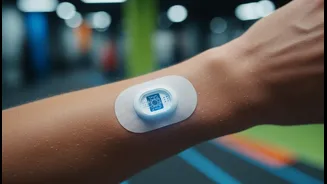
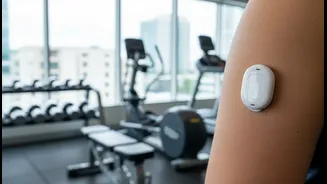
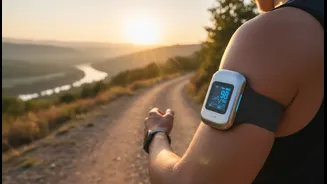
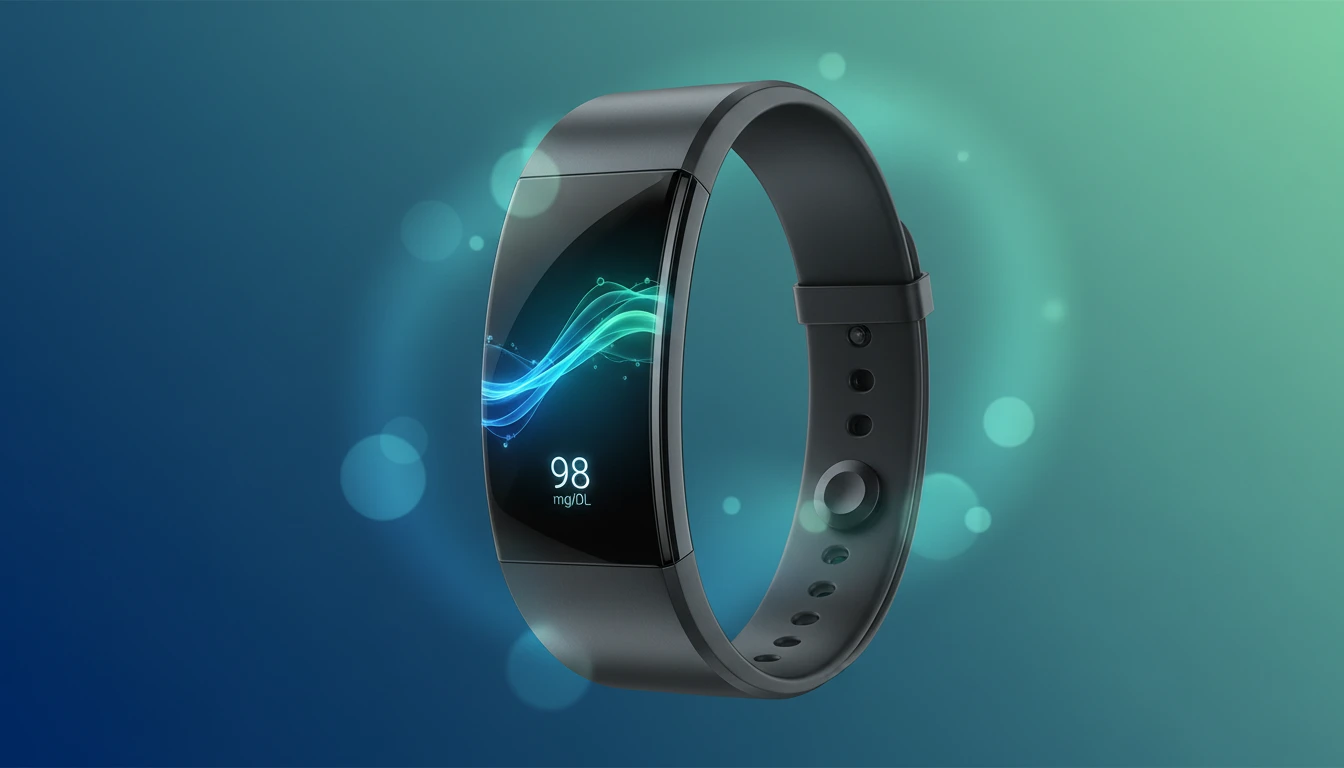
Originally developed for diabetes management, the continuous glucose monitor (CGM) is a small, wearable device that has become a game-changer for athletes. It typically consists of a small sensor with a tiny, flexible filament that is inserted just under the skin, usually on the back of the arm. This sensor doesn't measure blood directly. Instead, it measures the glucose levels in the interstitial fluid, which is the fluid that surrounds your cells. A transmitter attached to the sensor then wirelessly sends this data to a receiver, like a smartphone or a compatible sports watch, every few minutes. This provides a constant stream of information without the need for disruptive finger-prick tests.
From Raw Data to Actionable Insights
A CGM provides more than just a single number; it shows trends. An app visualizes your glucose levels over time, showing you whether they are stable, rising, or—most critically for a runner—dropping. This allows an athlete to see in real-time how their body is responding to the exertion of the run. For instance, a steep downward arrow can be an early warning sign that a 'bonk' is imminent, prompting the runner to take in carbohydrates before they feel the effects of low energy. This transforms fueling from a reactive or scheduled activity into a proactive, data-driven strategy. It removes the guesswork, allowing for precise, personalized adjustments during training or a race.
Personalizing Your Fueling Strategy
One of the most powerful aspects of using a CGM is the ability to personalize nutrition. Every athlete's body responds differently to various types of carbohydrates and the stress of exercise. By tracking glucose data, a runner can experiment during training to see exactly how their body reacts to a specific energy gel, a sports drink, or a particular pre-race meal. They can learn the optimal timing and amount of fuel needed to maintain stable energy levels for their unique physiology. This data helps athletes build a highly individualized fueling plan that gives them confidence and control over their performance on race day.
Beyond the Run: Optimizing Recovery and Training
The benefits of glucose monitoring don't stop when the run ends. The data collected can offer valuable insights into post-exercise recovery. Athletes can see how effectively their post-run meal replenishes their glycogen stores, ensuring they are properly recovered for their next training session. Monitoring overnight glucose levels can also highlight issues with fueling that might impact sleep and overall recovery. Over time, these long-term trends can help runners and their coaches identify patterns related to training load, stress, and nutrition, allowing for smarter adjustments to optimize both health and performance.