

An Eco-Conscious Choice from the Earth
In an age of plastic and mass-produced goods, terracotta stands out as a profoundly eco-friendly option. Made from natural clay, it is a renewable resource that undergoes a simple process of shaping and firing. Unlike plastic decor, which can take centuries
to degrade and leaches harmful chemicals, terracotta is biodegradable. When a diya, pot, or figurine breaks, it can return to the soil, completing a natural cycle without polluting the environment. This makes it a perfect material for single-use festival items like diyas, which are traditionally discarded. The production process itself, especially when using traditional low-energy kilns, has a much smaller carbon footprint compared to industrial manufacturing. Furthermore, terracotta is porous, meaning it can help regulate humidity in a room, contributing to better indoor air quality.
Honouring a Living Heritage
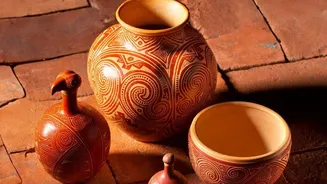
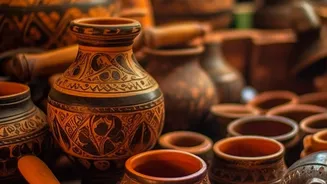
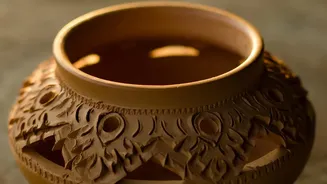
When you choose a piece of terracotta, you are holding a fragment of history. The craft of pottery in India is an ancient tradition, with evidence dating back to the Indus Valley Civilization. This art form has been passed down through generations within artisan communities, often known as 'kumhars'. These artisans possess skills honed over centuries, transforming simple clay into objects of both utility and beauty. From the iconic 'ghada' (water pot) to festive diyas and intricate idols, each piece is a testament to India's rich cultural legacy. By bringing these items into your home, you are not just decorating; you are participating in and preserving a living tradition that connects modern life to millennia of artistic expression.
A Direct Lifeline to Local Artisans
Choosing handmade terracotta is a powerful act of economic support. Many of these artisan communities face significant challenges, including competition from cheaper, mass-produced plastic goods and inconsistent income. Your purchase provides a direct livelihood, supporting families and helping to sustain local economies, particularly in rural areas. It empowers craftsmen and women, ensuring their skills remain viable and valued. This is especially crucial during festival seasons, which represent a key period of income for potters. By consciously seeking out authentic, locally-made terracotta, consumers can help ensure the survival of this craft for future generations, preventing a vital part of India's cultural and economic fabric from fading away.
Styling Terracotta for the Modern Festive Home
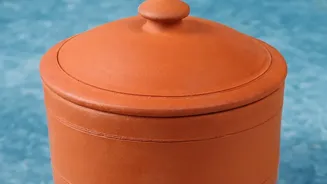
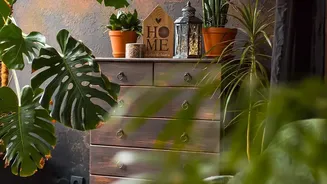
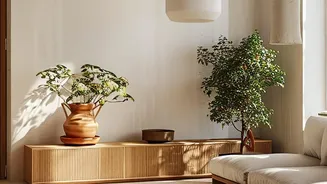
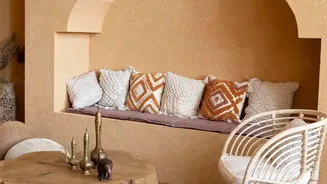
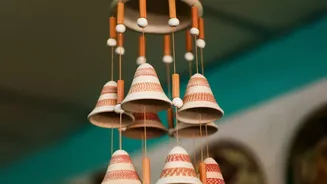
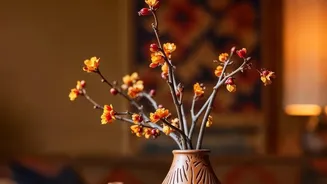
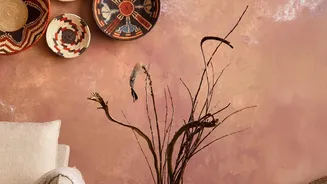
The rustic, earthy charm of terracotta is incredibly versatile and can be styled to suit both traditional and contemporary aesthetics. For festivals, go beyond the simple diya. Create stunning centrepieces by arranging painted terracotta pots of various sizes and filling them with marigolds. Use terracotta 'matkas' or urns as statement pieces at your entrance, perhaps with floating flowers and diyas. Hand-painted terracotta wall hangings, bells, and figurines can add an artisanal touch to your prayer room or living spaces. Even broken pieces can be repurposed creatively as drainage in planters or as part of a rangoli design. The warm, reddish-brown hue of natural terracotta provides a beautiful, organic contrast to vibrant festival colours, creating an atmosphere that is both festive and grounded.