




Why Leftover Rice Dries Out
The transformation from fluffy grains to a solid, dry mass is thanks to a process called starch retrogradation. When rice cools down after cooking, its starch molecules recrystallize and squeeze out the water that made them soft and separate. This process is what
makes day-old rice hard and clumpy. It’s particularly useful if you’re making fried rice, which requires firmer, individual grains. But if you're simply trying to enjoy a side of steamed rice, this texture can be unappetizing. The good news is that this process is reversible. You just need to reintroduce moisture in the right way to coax those starch molecules back into a soft, gelatinous state, making the rice tender and palatable once more.
The Simple Steam Solution
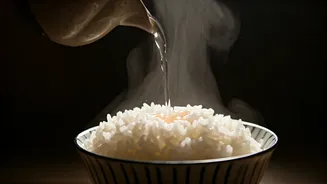
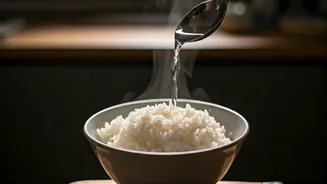
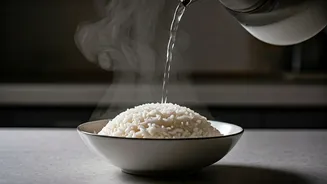
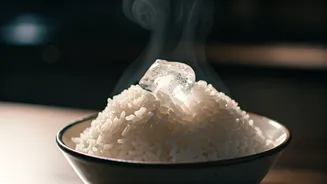
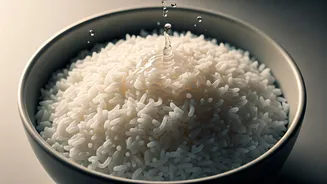
The secret to reviving leftover rice is steam. A splash of water provides the necessary moisture, and heat turns that water into steam, which gently rehydrates each grain. For microwave reheating, place your rice in a microwave-safe bowl and sprinkle a tablespoon or two of water over the top. [13, 18] You can also cover the bowl with a damp paper towel. [14] Another popular method is the “ice cube hack,” where you place a single ice cube on top of the rice before microwaving. [16] The ice cube melts slowly, creating a gentle steaming effect that prevents the rice from becoming waterlogged. [16] If you prefer the stovetop, add the rice to a pot with a small amount of water or broth, cover with a tight-fitting lid, and heat on low, stirring occasionally until it's warmed through and fluffy. [5, 13]
Crucial Food Safety for Leftover Rice
While reheating rice is simple, handling it safely is paramount. Uncooked rice can contain spores of a bacterium called *Bacillus cereus*, which can survive the cooking process. [6, 9] If cooked rice is left at room temperature for too long (in the 'danger zone' between 40°F and 140°F), these spores can germinate and produce toxins that cause food poisoning. [2, 9] Reheating the rice will kill the bacteria, but it will not destroy the heat-resistant toxins that may have already formed. [2, 6] To stay safe, it is essential to cool cooked rice as quickly as possible—ideally within an hour. [6, 17] Spreading it in a shallow container helps it cool faster. [5, 6] Store it in an airtight container in the fridge and consume it within a day or two for best practice, though it can last three to four days. [1, 3] Do not reheat rice more than once. [4, 11]
Reheat to the Right Temperature
Regardless of your chosen method, the key to safety is to ensure the rice is steaming hot all the way through. The recommended internal temperature to kill any active bacteria is 165°F (or about 74°C). [1, 5] Use a food thermometer if you are unsure. [1] Stirring the rice halfway through reheating helps to distribute the heat evenly and ensures there are no cold spots where bacteria could survive. [3] Never leave reheated rice sitting on the counter; serve it immediately. [1] If you notice any off-odors, sliminess, or discoloration, it's always safest to discard the rice. [1, 8]