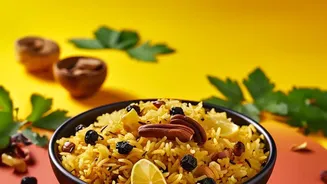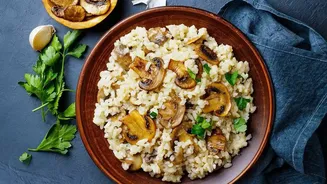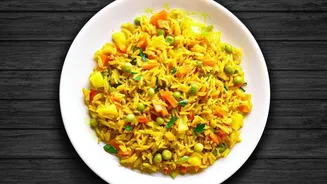



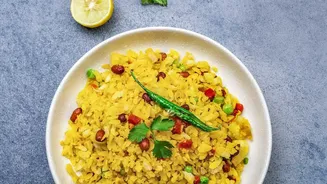

In the world of quick and satisfying meals, few dishes deliver as much bright, zesty flavour as lemon rice. A staple in South Indian households, this simple preparation transforms plain rice into something truly special.
The Enduring Appeal of Lemon Rice
Known as Chitranna in Karnataka,
lemon rice is celebrated for its simplicity and vibrant taste. It’s a dish that proves you don’t need a long list of complex ingredients to create something delicious. Its genius lies in its ability to be a quick breakfast, a packed lunchbox hero, or a light dinner. One of its best features is how it gives leftover rice a spectacular makeover, turning a simple staple into a fragrant and satisfying meal in minutes. The combination of tangy lemon, aromatic spices, and crunchy additions makes it a versatile favourite for any occasion, from everyday meals to festive gatherings.
Gathering Your Essential Ingredients
The beauty of lemon rice is its reliance on common pantry items. At its core, you'll need cooked rice, preferably cooled so it doesn't become mushy. For the signature flavour, fresh lemons are non-negotiable; bottled juice simply can't replicate the vibrant taste. The foundation of the flavour comes from a tempering, or 'tadka', of spices sizzled in oil. This typically includes mustard seeds, urad dal (split black gram), and chana dal (split Bengal gram), which add a nutty crunch. Curry leaves, green or dried red chillies, and a generous pinch of turmeric for that beautiful golden colour are also essential. Finally, roasted peanuts or cashews are often added for a delightful textural contrast.
A Step-by-Step Guide to Perfection
First, ensure your rice is cooked and cooled, with the grains separated. Heat oil in a pan and add the mustard seeds, waiting for them to splutter before adding the urad dal and chana dal. Fry the dals until they turn a light golden brown, then add your chillies and curry leaves, sautéing for a few moments until fragrant. If you're using nuts, this is a good time to toast them in the pan as well. Next, add the turmeric powder and a pinch of asafoetida (hing), stirring briefly. Turn off the heat and add the cooked rice and salt, mixing gently until every grain is coated in the yellow, spiced oil. The final, crucial step is to add the fresh lemon juice only after the pan is off the heat.
Secrets to the Freshest Lemon Flavour
To truly capture the 'fresh lemon flavour' mentioned in the headline, timing is everything. Always add the lemon juice at the very end, after you have switched off the stove. Cooking the lemon juice can make it bitter and diminish its bright, zesty aroma. For an extra layer of citrus essence, consider adding a little lemon zest along with the juice. The zest contains concentrated oils that infuse the dish with a powerful lemon fragrance without adding extra sourness. Let the rice rest for a few minutes after mixing in the juice; this allows the flavours to meld together beautifully, ensuring a perfect balance of tang and spice in every bite.
Variations and Serving Suggestions
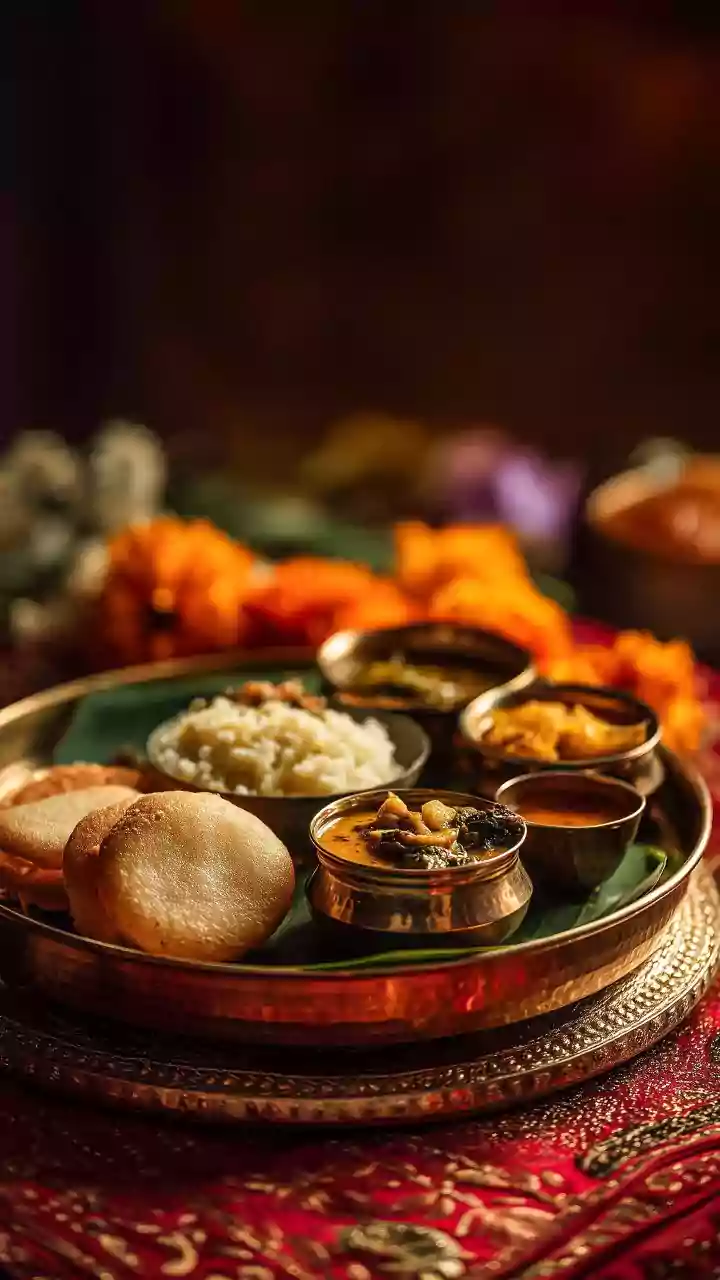
While the classic recipe is a star on its own, lemon rice is wonderfully adaptable. For extra nutrition and colour, you can add grated carrots or finely chopped onions during the tempering stage. Some recipes also suggest adding finely chopped ginger for another layer of warmth. Traditionally, this dish skips onion and garlic to let the citrus shine. It can be served as a standalone light meal, often accompanied by papadum, a simple yogurt raita, or a fresh coconut chutney. It also serves as an excellent side dish, pairing beautifully with grilled fish, chicken, or vegetable curries.