





The Unquestioned Reign of Milk Chai
In India, chai is more than just a beverage; it’s an emotion woven into the fabric of daily life. The 'kadak' morning cup, the mid-day office break, the evening gossip session—all are fuelled by sweet, milky tea, often spiced with cardamom, ginger, and
cloves. It’s a reliable, comforting ritual. However, this love affair is becoming more complicated. With growing awareness around lifestyle and wellness, the daily habit of consuming sugary, dairy-heavy chai multiple times a day is coming under scrutiny for its links to bloating, acidity, and weight gain. This has opened the door for consumers to seek out alternatives that are both healthy and satisfying, without necessarily giving up the cherished ritual of a warm cup.
A Turn Towards the Mountains
The search for healthier options is leading many to the pristine valleys of the Himalayas. Regions like Uttarakhand, Himachal Pradesh, and Ladakh are home to a vast array of herbs, flowers, and berries that have been used in traditional wellness practices for generations. Unlike black or green tea, which come from the Camellia sinensis plant, these drinks are technically 'tisanes'—caffeine-free infusions made from various parts of plants. This trend is part of a larger movement in India towards functional beverages that offer benefits beyond simple hydration, from boosting immunity to improving digestion. Consumers are increasingly interested in natural, locally sourced ingredients, and these Himalayan brews perfectly fit that narrative.
Himalayan Rhododendron: The Flower of Wellness
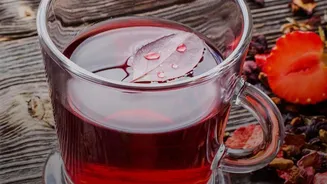
One of the most popular herbal teas from the region is made from the vibrant petals of the Rhododendron flower, locally known as 'Buransh'. Traditionally consumed in areas like Uttarakhand and Himachal, this beautiful red-hued tea is gaining fame for its refreshing taste and health benefits. It is naturally rich in antioxidants and Vitamin C, which can help in boosting the immune system, especially against common colds and flu. Many local traditions also value it for its anti-inflammatory properties, its role in supporting heart health by helping manage cholesterol, and its use as a natural detoxifier for the liver and kidneys. As a caffeine-free beverage, it can be enjoyed any time of day as a soothing, calming drink.
Sea Buckthorn: The Himalayan Superfood
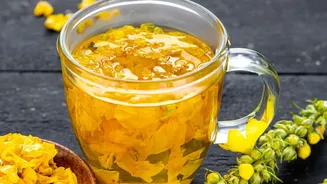
Another treasure from the cold deserts of Ladakh and Lahaul-Spiti is Sea Buckthorn. Often called the 'Holy Fruit' of the Himalayas, its bright orange berries and leaves are packed with nutrients. Sea Buckthorn tea, made from either the dried berries or leaves, has a distinct tangy, citrusy flavour. It is celebrated as a 'superfood' because it contains over 60 antioxidants, numerous vitamins (including a high concentration of Vitamin C), and essential fatty acids like Omega 3, 6, and 9. Regular consumption is believed to boost immunity, support digestion, reduce inflammation, and promote radiant skin. Hand-harvested by local communities, this tea offers a direct connection to the rugged, pristine environment where it grows.
Beyond the Big Two: A Valley of Flavours
While Rhododendron and Sea Buckthorn are gaining prominence, the Himalayan foothills offer a wide variety of other herbal infusions. Blends featuring tulsi (holy basil), mint, stinging nettle, chamomile, and lemongrass are popular for their calming and digestive properties. These teas are often hand-blended in small batches by local communities and self-help groups, preserving traditional knowledge and supporting rural livelihoods. Unlike the often-homogenous taste of mass-produced milk chai, these herbal teas offer a complex spectrum of flavours—from floral and earthy to spicy and minty—providing a new and exciting experience for the palate.