



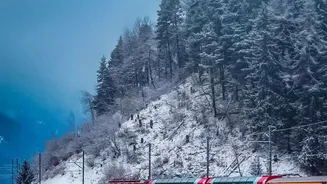
A Journey Through History
First opened in 1903 to connect the summer capital of British India, the Kalka-Shimla Railway is an engineering marvel. This UNESCO World Heritage site traverses a 96-kilometer route, navigating over 800 bridges and through 102 tunnels to climb more than
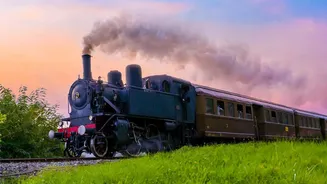
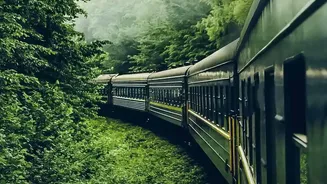
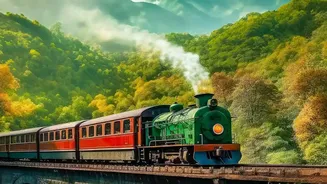
1,400 meters into the Himalayan foothills. The journey, which takes about five to six hours, is not about speed. It’s a deliberate, leisurely passage through breathtaking landscapes. Passengers get a front-row seat to cascading waterfalls, verdant valleys, and charming, colonial-era stations. The train itself, often called a 'toy train', with its compact carriages, adds to the nostalgic charm, offering a travel experience that feels worlds away from the rush of modern life.
The Price of a Priceless View
Here lies the crux of the issue: this priceless experience comes at a surprisingly low price. While premium services like the Shivalik Deluxe Express can cost around ₹500, and the Rail Motor Car is a few hundred rupees, other services are exceptionally affordable. In fact, certain services on the line offer tickets for as low as ₹50 or ₹65 for the entire five-hour journey from Kalka to Shimla. Compare this to a taxi, which covers the distance in about three hours but can cost between ₹2,000 and ₹2,500, or around ₹500-600 per person if shared among four people. A bus is another option, but the train offers a unique combination of scenic beauty and remarkably low cost, making a world-class heritage experience accessible to travellers of all budgets.
More Than Just a Tourist Ride
While a major draw for tourists, the Kalka-Shimla railway is not merely a holiday attraction. For residents of the small towns and villages dotted along the route, like Dharampur, Solan, and Barog, the train is a vital lifeline. The Mix Up-Down train, for instance, stops at all 18 stations, making it a convenient and affordable mode of daily transport for locals commuting for work, school, or errands. This dual role is crucial. It grounds the heritage railway in the present-day realities of the region, preventing it from becoming a preserved-in-amber relic solely for visitor consumption. It serves the very communities whose landscapes it travels through, reinforcing its identity as a piece of public infrastructure, not just a tourist commodity.
The Great Tourism Divide
The affordability of the toy train stands in stark contrast to the broader trends in Shimla's tourism sector. As one of India’s most popular hill stations, Shimla is seeing a proliferation of luxury hotels, high-end resorts, and exclusive experiences catering to a wealthier clientele. This development raises important questions about the direction of tourism in the region. Is Shimla destined to become a playground for the affluent, pricing out the average Indian family? The Kalka-Shimla train, by its very existence and pricing, pushes back against this narrative. It acts as a democratizing force, ensuring that the path to the 'Queen of Hills' remains open to everyone, regardless of their budget. It places affordability squarely at the center of the debate about what kind of tourism is desirable and sustainable.
A Model Riddled with Challenges
Operating this line is a costly affair. The maintenance of the century-old tracks, bridges, and tunnels results in significant financial losses for the railways, who admit they do not run the service from a purely commercial viewpoint. Booking tickets can be difficult, especially during peak season, with seats selling out weeks in advance. Furthermore, the monsoon season can bring disruptions from landslides, highlighting the fragility of operating in such a dynamic landscape. Despite these challenges, the railway's commitment to maintaining this affordable heritage service offers a potential model for inclusive tourism. It demonstrates that it is possible to preserve history and provide a world-class experience without excluding those with limited means.