


Why Go Native?
For many urban dwellers, the idea of gardening is a mix of romantic visions and practical fears: lack of space, not enough time, and the dreaded prospect of plants wilting in the city heat. This is where native plants come in as a game-changer. These
are species that have grown in your local region for centuries, meaning they are perfectly adapted to the climate, soil, and rainfall patterns. Unlike exotic or ornamental plants that often require constant care, native plants are resilient and self-sufficient. They have evolved to thrive in local conditions, making them naturally hardy. This translates to a simpler, more rewarding gardening experience for you.
The City Gardener's Best Friend
The benefits of choosing native plants are especially pronounced in an urban setting. Firstly, they demand less maintenance. Because they are suited to the environment, they generally require less water, little to no chemical fertilizers, and are more resistant to local pests. This is a huge advantage for busy city residents and can help conserve precious water resources. Furthermore, native plants play a crucial role in supporting urban biodiversity. They provide essential food and habitat for local birds, bees, and butterflies, helping to create small ecological corridors in a concrete jungle. Your small balcony garden can become a vital pitstop for local pollinators.
Five Beginner-Friendly Native Plants
Starting your native garden is as easy as picking the right plants. Many species are deeply intertwined with Indian culture and are perfect for pots and small spaces. Here are five great options to begin with: 1. Tulsi (Holy Basil): Revered and incredibly useful, Tulsi is compact and thrives in containers on a sunny balcony. It's known for its pest-repellent properties and requires minimal care. 2. Genda (Marigold): These bright, cheerful flowers are a common sight for a reason. They are easy to grow, love the sun, and their flowers can be used in numerous ways. 3. Mogra (Arabian Jasmine): Known for its intoxicating fragrance, Mogra is a low-maintenance shrub that grows happily in pots. It thrives in warm, sunny conditions and will fill your evenings with a beautiful scent. 4. Curry Patta (Curry Leaf): A staple in Indian kitchens, the curry leaf plant is a small tree that does well in a large pot. It needs sunshine and regular watering to give you a fresh supply for your cooking. 5. Hibiscus: Native varieties of hibiscus are not just stunningly beautiful but also attract pollinators. They love sunlight and can be grown as a shrub in a large container, adding a tropical feel to your space.
Getting Your Native Garden Started
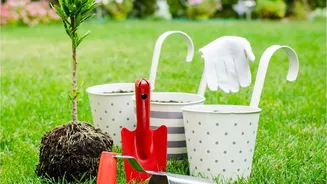
You don’t need a large plot or expensive tools to begin. Start small with a few pots on a balcony or windowsill. Use a well-draining potting mix, which you can create by combining garden soil with sand or perlite to prevent waterlogging. When it comes to finding plants, look beyond generic garden centres. Seek out local or specialised nurseries that focus on native species; initiatives and nurseries dedicated to conserving India's plant biodiversity are becoming more common. Once you've planted your saplings, remember that while they are low-maintenance, they do need some care to get established. Water them regularly for the first few months, but avoid overwatering. The best part is watching them settle in and thrive, knowing you've made a choice that's good for you and your local environment.