



The Great Post-Monsoon Transition
November marks a significant turning point in the Indian subcontinent's climate. The heavy monsoon rains have subsided, leaving behind a lush, green landscape. However, this period of abundance is fleeting. Temperatures begin to drop, especially during
the mornings and evenings, and daylight hours shorten. This combination of cooler, drier weather and decreasing sunlight acts as a crucial biological trigger for countless species. For India's wildlife, this isn't just a simple change of season; it's a signal to prepare for the leaner winter months ahead, setting in motion a chain of behaviours that often brings them closer to human pathways.
A Landscape Reshaped by Scarcity
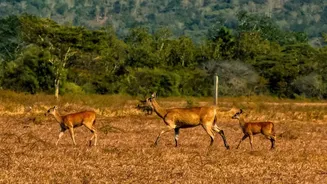
The primary driver of animal movement is the search for essential resources: food and water. After the monsoon, water sources begin to recede. Ponds and streams that were once overflowing start to shrink, concentrating animals in areas where water is still available. Herbivores like deer, gaur (Indian bison), and elephants must travel farther to drink and find fresh grazing. This mass movement of prey species naturally dictates the movement of predators. Tigers, leopards, and dholes (wild dogs) follow these herds, knowing that their best chance for a meal lies along these predictable routes. This creates a ripple effect throughout the ecosystem, increasing the overall movement of animals across the forest floor.
Preparing for the Cold
While true hibernation is rare in most of India, many animals enter a state of reduced activity or undergo significant physiological changes to survive the winter. To do this, they need to build up fat reserves during autumn. Species like sloth bears, for example, increase their foraging to consume calorie-rich foods. This urgent need for sustenance makes them more active and willing to cover larger territories. Similarly, many reptiles, which are less active in the cold, will seek out warm surfaces to bask and absorb heat. Paved forest tracks and roads, which absorb and retain solar heat, can become dangerously attractive lounging spots for them.
Why Forest Tracks Become Wildlife Highways
Forest roads and trekking paths are more than just man-made intrusions; they often function as convenient corridors for wildlife. These cleared pathways can be easier to traverse than dense undergrowth, allowing animals to conserve energy while moving between feeding grounds and water sources. Furthermore, the edges of these tracks often support different types of vegetation, a phenomenon known as the 'edge effect', which can attract various herbivores. This increased activity along routes used by vehicles and people inevitably leads to a higher frequency of sightings and, unfortunately, a greater risk of human-wildlife conflict. The autumn mating season, or 'rut', for species like the white-tailed deer also sees males becoming less cautious and more likely to cross roads in search of mates.
Species on the Move: What to Watch For
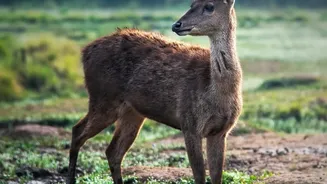
Across India, November brings specific animals into the spotlight. In the national parks of central India, like Ranthambore, tiger sightings often increase as the cats roam more widely in the cooler, more comfortable weather. In the Himalayan foothills, the changing season can push animals like leopards and barking deer to lower altitudes. In Southern India, elephant herds may wander beyond their usual territories as rainfall patterns shift. This is also a peak season for birdwatchers, as many migratory species arrive from colder northern climates to winter in India's relatively warmer wetlands and forests, making areas like Bharatpur Bird Sanctuary particularly active. Even if a tiger or elephant isn't spotted, the increased movement of sambar deer, wild boar, and monkeys is a clear indicator that the forest is in a state of flux.