





A True Global Effort
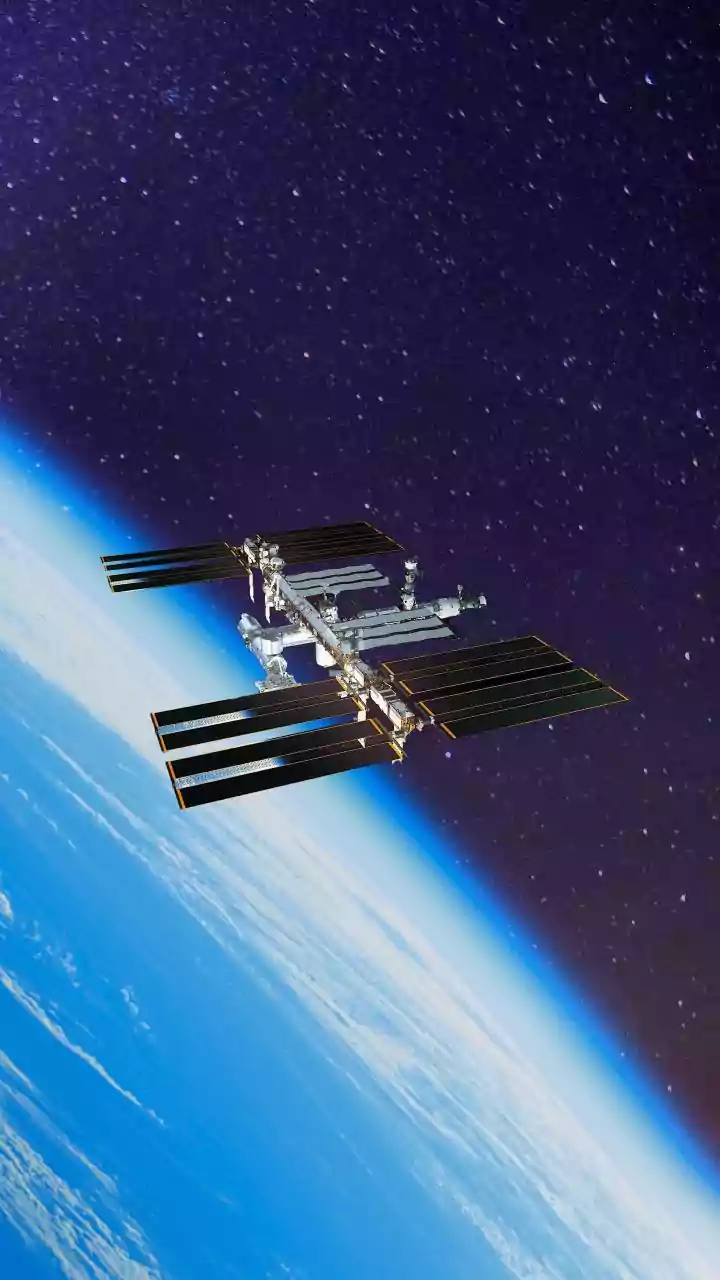
The ISS isn't owned by a single country. It's a cooperative program between five major space agencies: NASA (USA), Roscosmos (Russia), JAXA (Japan), ESA (Europe), and CSA (Canada). In total, 15 countries contributed to its construction and operation,
making it one of the most ambitious international collaborations ever. The first module was launched in 1998, and it has been continuously inhabited by astronauts since November 2000.
The Size of a Football Field
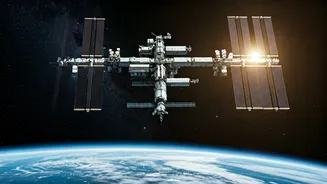
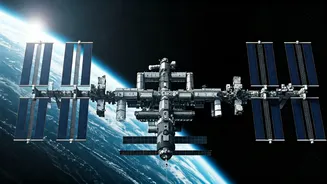
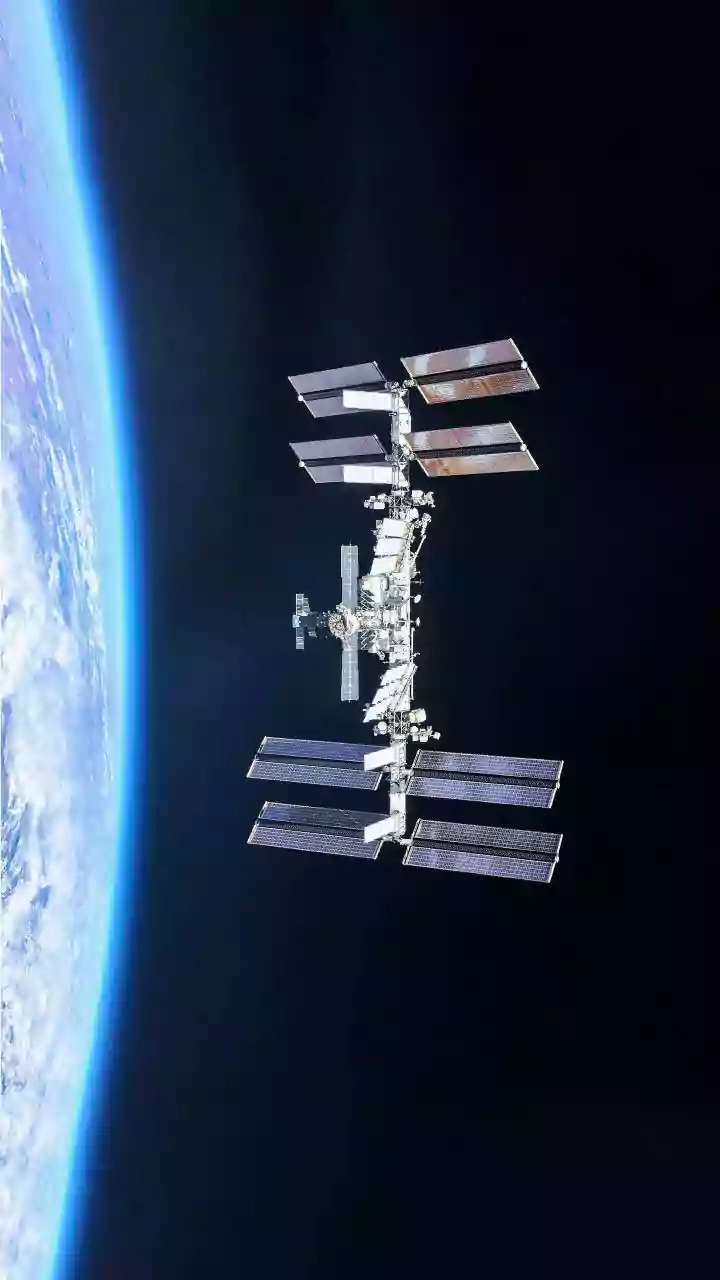
It’s hard to grasp the scale of the ISS. End-to-end, its main structure measures 109 metres (357 feet), just shy of the full length of an American football field, including the end zones. Its internal pressurized volume, where the astronauts live and work, is comparable to that of a Boeing 747 airliner and has more living space than a typical six-bedroom house. It’s so large and reflective that it can often be seen from Earth with the naked eye at dawn or dusk.
Faster Than a Speeding Bullet
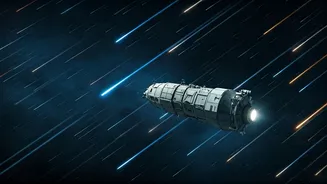
The station zooms around our planet at a staggering 28,000 kilometres per hour (about 17,500 mph). This means it circles the entire Earth approximately every 92 minutes. For the crew on board, this results in the breathtaking experience of witnessing 16 sunrises and 16 sunsets every single day.
The Most Expensive Object Ever Built
Building and maintaining this orbiting outpost comes with a hefty price tag. The total cost is estimated to be around $150 billion when including contributions from all international partners, making it the single most expensive object ever constructed by humans. The annual operating costs for NASA alone are about $3 billion.
Tomorrow’s Coffee is Yesterday’s...Everything
Water is a precious and heavy resource to ship into space. That's why the ISS is equipped with an advanced Water Recovery System. This system recycles about 98% of all water on board, collecting it from astronauts' breath, sweat, and even urine. The purified water exceeds the quality standards of most drinking water on Earth, ensuring the crew stays hydrated in the most efficient way possible.
A Home for Hundreds of Astronauts
Since its first crew arrived in 2000, the ISS has hosted nearly 300 individuals from over 20 countries. These visitors include not only professional astronauts and cosmonauts on long-duration missions but also space tourists and private researchers on shorter stays. A typical crew consists of about seven people.
The Smell of Space
While you can't smell anything in the vacuum of space itself, astronauts consistently report a peculiar scent after a spacewalk. When they return inside and remove their helmets, their suits and equipment carry a distinct odor they often describe as being like burnt steak, hot metal, or spent gunpowder. Scientists believe this is caused by high-energy particles and atomic oxygen clinging to the suits.
A Laboratory for Bizarre Science
The main purpose of the ISS is science, and some of the experiments have been wonderfully weird. Researchers have studied how spiders spin webs in microgravity, discovering they use light as a backup orientation guide. They have also studied how fire burns in near-zero gravity, where flames form strange, spherical fireballs instead of teardrop shapes. These experiments help us understand fundamental physics and prepare for future long-duration space missions.