





Why Mental Stimulation Is a Game-Changer
We all know that a tired dog is a happy dog, but physical exhaustion is only half the battle. [2] Dogs are intelligent animals that evolved to hunt, forage, and problem-solve. [15] When they lack outlets for these natural instincts, they often invent
their own, less desirable hobbies, like chewing furniture, digging up the garden, or barking excessively. [10] Mental stimulation through activities like puzzle toys helps channel this energy constructively. [3] Just 15 minutes of focused brain work can be as enriching as a long walk, helping to reduce anxiety and build a calmer, more confident companion. [4, 10] It’s an essential part of their overall well-being, keeping their minds sharp, especially as they age. [8]
The Magic of a Peanut Butter Puzzle
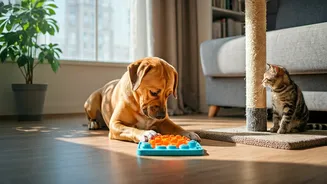
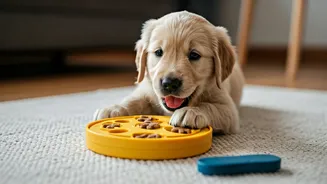
Puzzle toys are designed to challenge your dog by making them work for a reward. [4] They come in many forms, from classic stuffable rubber toys to intricate boards with hidden compartments. [7, 12] These toys tap into a dog's natural desire to sniff, paw, and explore. [10] Adding a high-value treat like peanut butter makes the challenge irresistible. The act of licking and focusing on extracting the food can be incredibly soothing for a dog, helping to reduce stress during times of separation or overstimulation. [1] For dogs that eat too quickly, using a puzzle toy can also serve as a slow feeder, which can improve digestion and prevent issues like bloating. [4]
Safety First: Not All Peanut Butter Is Safe
Before you give your dog any peanut butter, you must check the ingredients list for one specific, highly toxic substance: xylitol. [19] This sugar substitute, sometimes listed as "birch sugar," is safe for humans but can be life-threatening for dogs. [20, 22] Xylitol can cause a rapid drop in a dog's blood sugar, leading to symptoms like vomiting, loss of coordination, seizures, and even liver failure. [19] Always choose a raw, unsalted peanut butter that contains only peanuts (and maybe a little salt). [9, 20] Many health-food store brands or organic options are safe bets because they don't contain added sugars or artificial sweeteners. [20] When in doubt, stick to brands specifically made for dogs or choose another safe filling.
Finding the Perfect Puzzle Toy
The world of puzzle toys is vast, so it’s easy to find one that fits your dog’s personality and skill level. Classic stuffable toys like the Kong are durable and perfect for beginners when filled loosely. [7] Wobblers and treat-dispensing balls, like the Bob-A-Lot, require your dog to nudge and roll them to get kibble out, adding a bit of physical exercise. [18, 6] Snuffle mats encourage natural foraging behaviour as dogs sniff out treats hidden in fabric strips. [1] For more advanced problem-solvers, look to Nina Ottosson's line of puzzle boards, which feature sliders and compartments that require more complex actions to uncover the reward. [5, 12]
How to Introduce Puzzle Toys Successfully
To ensure your dog loves their new puzzle toy, you need to set them up for success. Start with the easiest setting or a very simple toy. [11] Let them watch you place a high-value treat inside and show them how to get it out. [13] Make it very easy at first, so the food almost falls out. [7] This builds their confidence and helps them understand the game. [2] If your dog gets frustrated and gives up, the toy is too difficult. [2] Go back a step and reward them just for showing interest, like sniffing or nudging the toy. [2] Always supervise your dog, especially with new toys, to make sure they are playing safely and not just chewing or ingesting parts of the toy. [2]
Beyond Peanut Butter: Other Healthy Fillings
While peanut butter is a classic, variety is key for keeping things interesting and nutritious. Plain, low-fat Greek yogurt is a great alternative that also freezes well for a longer-lasting challenge. [17] Canned pumpkin puree (not pie filling) is another favourite that is good for digestion. [17] For a savoury option, try wet dog food, low-sodium chicken broth frozen into cubes, or cream cheese. [9, 16] Mashed banana, unsweetened applesauce, and even baby food pouches are other safe and delicious options to stuff into a puzzle toy. [14, 17] Mixing in their regular kibble can also turn mealtime into a fun and engaging activity. [15]