




The Concrete Oven Effect
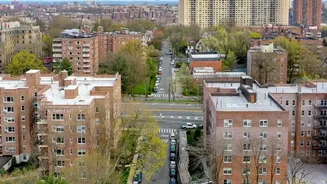
If you've ever felt a wave of heat radiating from the pavement long after sunset, you've experienced the urban heat island effect. Our cities, with their vast expanses of dark asphalt roads, concrete buildings, and traditional tar roofs, are experts at absorbing
and storing the sun's energy. Unlike rural areas with more vegetation and open land, which reflect heat and cool down through evapotranspiration, cities essentially bake themselves. This retained heat makes urban centres several degrees hotter than surrounding areas, increasing health risks, straining energy grids from overuse of air conditioning, and reducing overall quality of life. For millions living in dense apartment buildings, especially on the top floors, this phenomenon turns their homes into ovens.
A Simple, Powerful Solution: The Cool Roof
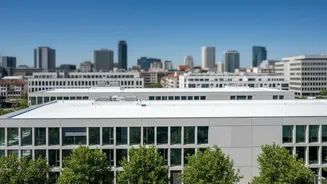
The solution is as elegant as it is simple, based on a principle we all learn as children: light colours reflect heat, while dark colours absorb it. A 'cool roof' is essentially a roof that has been treated with a solar-reflective coating. This is most commonly a special type of white paint or a sheet membrane, which has high solar reflectance (the ability to reflect sunlight) and high thermal emittance (the ability to radiate away absorbed heat). Instead of absorbing the sun's intense radiation, a white roof reflects it back into the atmosphere, preventing the heat from being transferred into the building below. Studies show that a clean white roof can stay over 25°C cooler than a traditional grey roof on a hot summer afternoon.
How Much Difference Can Paint Make?
The impact of this simple change is significant. For residents, the most immediate benefit is a drop in indoor temperatures. Research and pilot projects have shown that cool roofs can lower indoor temperatures by 2°C to 5°C. For households without air conditioning, this can be the difference between a dangerously hot living space and a more comfortable one. For those with AC, it translates directly into energy savings. Reduced heat gain means air conditioners don't have to work as hard, potentially cutting cooling costs by 10% to 30%. Beyond individual comfort, these coatings also protect the roof structure itself from UV damage and extreme temperature fluctuations, extending its lifespan and reducing maintenance costs.
Pioneering Efforts in Indian Cities
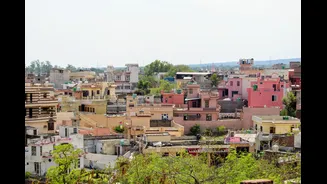
India is at the forefront of adopting this technology to combat extreme heat. Ahmedabad, after a devastating heatwave in 2010, developed a pioneering Heat Action Plan which prominently features a Cool Roofs Program. The city has since implemented initiatives to paint thousands of slum and low-income household roofs white, providing crucial relief to its most vulnerable residents. Following this success, other cities like Hyderabad have also launched cool roof programs, and Telangana became the first state to launch a statewide Cool Roof Policy in 2023. These initiatives are often community-led, with organisations training residents to apply the paint themselves, which saves on labour costs and empowers the community.
Cooling More Than Just Homes
The benefits of cool roofs extend beyond individual buildings to the entire community. When implemented at scale across a neighbourhood or city, they can help lower the overall ambient temperature, directly tackling the urban heat island effect. A cooler urban environment reduces the formation of smog and other pollutants. It also lessens the strain on the electrical grid during peak demand in summer, which can help prevent power outages. By reducing the need for air conditioning, cool roofs also cut down on greenhouse gas emissions from power plants, making them a valuable tool in the fight against climate change. Widespread adoption of cool roofs represents a significant step towards creating more resilient, livable, and sustainable cities for the future.