






The Cold-Pressing Difference
Not all mustard oil is created equal. The key distinction lies in the extraction method. Regular or 'hot-pressed' oils are often extracted using high heat and sometimes chemical solvents. This industrial process yields more oil from the seeds but comes
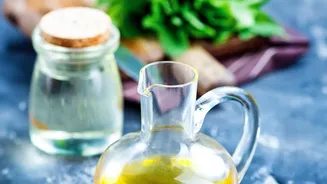
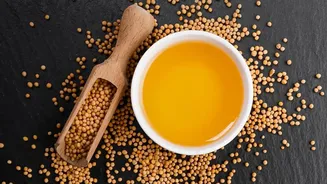
at a nutritional cost, as high temperatures can degrade sensitive nutrients, antioxidants, and natural flavours. Cold-pressing, known traditionally as 'kachi ghani', is a mechanical process where seeds are crushed slowly at low temperatures without added heat. This gentle extraction preserves the oil's natural integrity, including its vitamins, antioxidants, and the beneficial fatty acids that make it a powerhouse for health. The result is a more flavourful, aromatic, and nutritionally dense oil—closer to how our ancestors would have consumed it.
A Profile of Heart-Healthy Fats
One of the strongest arguments for cold-pressed mustard oil is its impressive fatty acid profile. It is exceptionally low in saturated fats (about 12%) and rich in monounsaturated fatty acids (MUFA) and polyunsaturated fatty acids (PUFA). These 'good fats' are crucial for cardiovascular wellness. MUFAs, in particular, have been shown to help lower levels of LDL or 'bad' cholesterol, a primary risk factor for heart disease and stroke. Furthermore, mustard oil contains a beneficial ratio of omega-3 and omega-6 fatty acids. The presence of alpha-linolenic acid (ALA), a type of omega-3, is particularly important. This fatty acid has been linked to reduced inflammation, healthier blood pressure levels, and a lower risk of arrhythmias (irregular heartbeats).
More Than Just Good Fats
Beyond its fat profile, cold-pressed mustard oil is rich in antioxidants like Vitamin E and compounds called glucosinolates. Antioxidants are vital for protecting the body against oxidative stress and damage from free radicals, which can contribute to chronic diseases. The cold-pressing method ensures these valuable compounds remain in the final product. The oil's characteristic pungency comes from a compound called Allyl Isothiocyanate (AITC), which also boasts anti-inflammatory properties. Chronic inflammation is a known contributor to many health issues, including heart disease, so including anti-inflammatory foods in our diet is a proactive step towards better health.
A Note on Erucic Acid
No discussion of mustard oil is complete without addressing erucic acid, a fatty acid that is a natural component of mustard seeds. Some older animal studies linked very high doses of erucic acid to heart issues, which led to restrictions on its sale as a cooking oil in countries like the US and parts of Europe. However, these effects have not been confirmed in humans at normal dietary consumption levels. In India, the Food Safety and Standards Authority of India (FSSAI) has approved mustard oil for cooking, where it has been a staple for generations. The Lipid Association of India also recommends it as a heart-healthy oil. Consumed as part of a balanced diet, it is considered safe and beneficial.
Perfect for the Indian Kitchen
Mustard oil has a high smoke point, around 250°C, making it extremely versatile and stable for the high-heat cooking methods common in Indian cuisine, such as deep-frying, sautéing, and tadka. Unlike some other oils that can break down and form harmful compounds at high temperatures, mustard oil holds up well. Its bold, pungent flavour is essential for authentic-tasting traditional dishes, from pickles and marinades to flavourful curries and sabzis. By choosing the cold-pressed version, you are not only enhancing the taste of your meals but also ensuring that you are getting the maximum nutritional benefit from this traditional ingredient.