





An Introduction to a Heritage Brew
So, what exactly is Kanji? For generations, this beverage has been a staple in North Indian homes, especially during the winter and the festival of Holi. It’s a naturally fermented drink, traditionally made by letting black carrots or beetroots sit in water
with salt and coarsely ground mustard seeds for several days, often under the sun. This process gives Kanji its signature tangy, pungent, and slightly salty flavour. The mustard seeds are key to the fermentation, which not only preserves the drink but also transforms it into a health tonic with a history as rich as its colour. It’s the kind of drink that grandmothers would prepare as a digestive aid, a tradition rooted in centuries of culinary wisdom.
The Science of Gut Health in a Glass
The renewed excitement around Kanji is intrinsically linked to our growing obsession with gut health. The fermentation process makes Kanji a natural probiotic powerhouse. Probiotics are beneficial live bacteria that help maintain a healthy balance in your gut microbiome. A healthy gut is linked to better digestion, reduced bloating, and a stronger immune system. But the benefits don't stop there. As the good bacteria in Kanji ferment the fibres from the carrots and beetroot, they produce compounds called postbiotics, such as short-chain fatty acids (SCFAs). These SCFAs are a direct source of energy for the cells lining your colon and can help reduce inflammation, making Kanji a holistic gut-soothing beverage.
Why Cafes Are Embracing Fermentation
The leap from household remedy to cafe menu star is driven by a major shift in consumer habits. Urban Indians are more health-conscious than ever, seeking functional foods and drinks that offer benefits beyond basic nutrition. This has created a booming market for probiotic products in India. Cafes are tapping into this movement by offering sophisticated, non-alcoholic beverage options that cater to the wellness-minded customer. Kanji fits the bill perfectly. It's natural, rooted in Indian heritage, and serves as a unique alternative to sugary sodas or conventional iced teas. This trend allows cafes to tell a story of authenticity and local sourcing while meeting the modern demand for food that feels good and does good.
A Modern Makeover for a Classic
To appeal to a new generation of consumers, cafes are giving these traditional brews a contemporary facelift. Instead of a simple glass, you might find Kanji served in artisanal mugs or tall, elegant tumblers, garnished with a sprig of fresh mint or a slice of lime. Some establishments are experimenting with the core recipe itself, adding notes of ginger, spices, or other herbs to create unique flavour profiles. By presenting Kanji in a stylish, appealing manner and integrating it into their modern menus, cafes are making it more accessible and intriguing. They are effectively rebranding a familiar homemade drink as a premium, craft beverage, removing the effort of home fermentation and placing it directly into the hands of curious customers.
The Broader Fermented Renaissance
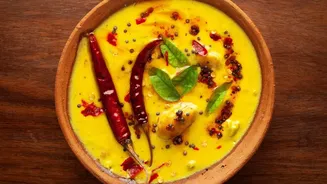
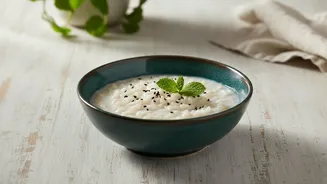
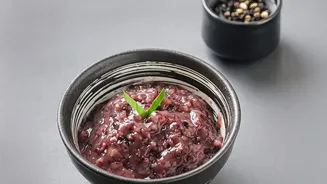
Kanji is not alone in its resurgence. It is part of a larger 'fermented renaissance' sweeping across India. Other traditional probiotic drinks are also gaining renewed appreciation. Spiced buttermilk, or Chaas, has long been known for its cooling and digestive properties. In the south, Rice Kanji, made from fermented leftover rice, is a hydrating and soothing staple. Even drinks like Aam Panna are being given a fermented twist to enhance their probiotic content. This revival signals a collective return to our roots, where the wisdom of traditional Indian kitchens is being rediscovered and celebrated for its profound relevance to modern health and wellness.