





A Nation Waking Up to a Protein Gap
For years, the conversation around protein in India was confined to gyms and elite athletes. The average person's diet, often rich in carbohydrates like rice and roti, frequently fell short of recommended protein levels. Surveys have consistently shown
a significant protein deficiency across urban India, with some studies indicating that over 70% of people consume less than the required daily amount. This isn't just a statistic; it's a public health challenge affecting everything from muscle health and immunity to overall energy levels. Now, a wave of awareness is changing things. Driven by increased access to health information online, a growing focus on preventive wellness, and the rise of lifestyle diseases, consumers are actively seeking ways to bridge this nutritional gap.
From Niche Health Stores to Your Local Kirana
The most significant sign of this trend is where these protein snacks are being sold. What was once the domain of specialty health stores and online supplement websites is now a fixture in mainstream retail. Major FMCG giants like ITC, Amul, and Parag Milk Foods are launching protein-fortified versions of everyday products, from milk and yogurt to biscuits. Amul has introduced protein-enriched lassi and paneer, while Mother Dairy has launched high-protein milk pouches. This move by legacy players validates the market and makes protein-conscious snacking accessible to a much broader audience. The growth is particularly explosive in quick commerce, where platforms like Swiggy Instamart have seen a 150% surge in protein-related orders, with demand from Tier-2 cities growing even faster than in metros.
Beyond the Bar: A Snack Reinvention
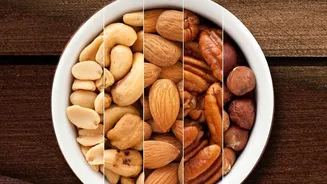
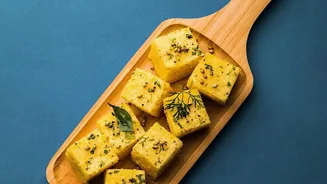
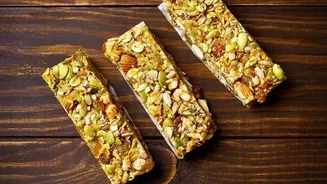
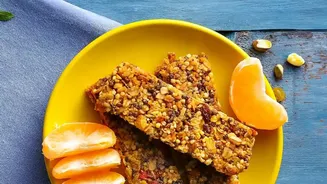
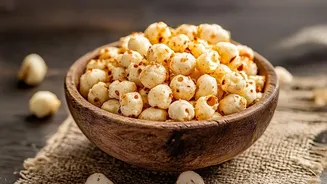
When people think of protein snacks, the first thing that often comes to mind is a dense, chewy protein bar. While bars remain a significant part of the market, the real innovation is happening in more familiar formats. Brands are embedding protein into snacks that Indians already love. We're now seeing protein-enriched chips, wafers, cookies, and even fortified versions of traditional snacks like makhana (fox nuts). Startups are leading this charge by creating products that promise health without compromising on taste. This strategy of 'healthier indulgence' reduces the barrier for consumers who are curious about increasing their protein intake but are hesitant to adopt unfamiliar, supplement-style products. Even traditional powerhouses like sattu (roasted gram flour) and roasted chana are being rediscovered and marketed for their natural, high-protein content.
The Challenge of Price, Palate, and Trust
Despite the boom, the path to mainstream dominance isn't without hurdles. The first is price. Protein as an ingredient is expensive, which means these snacks often come at a premium compared to their conventional counterparts. While many urban consumers are willing to pay more for health benefits, affordability remains a significant barrier for mass adoption, especially outside major cities. The second challenge is taste. Early protein products were often criticised for their chalky texture or artificial taste. Winning over the Indian palate, which is accustomed to complex and savoury flavours, is crucial. Finally, there's the issue of trust. With the market growing so rapidly, concerns about quality, mislabelled products, and 'amino spiking' (falsely inflating protein content) have emerged, making independent verification and transparent labelling more important than ever for brands to build long-term credibility.