


Decode the Room Category Game
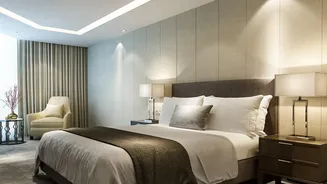
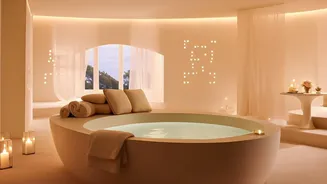
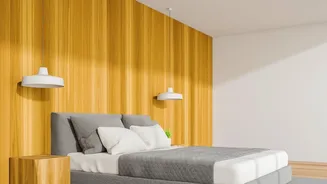
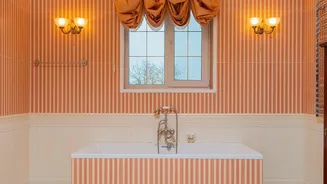
One of the most common practices in hotel marketing is to use photos of the best room in a certain category to represent all rooms in that category. For instance, the gallery for a "Deluxe King Room" might showcase the one corner unit with dual-aspect
windows and a perfect view, even if the other 20 rooms in that category are smaller, face a drab courtyard, or have an awkward layout. This isn't technically false advertising, but it can be misleading. Always check if the hotel provides photos for specific sub-categories, like "Deluxe King with City View" versus "Deluxe King." If the website only shows pictures of its top-tier suites but you're booking a standard room, be wary. The absence of photos for lower-priced rooms is often a deliberate choice.
Hunt for Signs of Scale
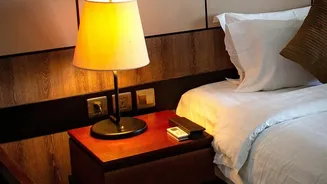
Professional hotel photos are expertly staged to maximize the feeling of space, but this can make it hard to judge a room's true size. To get a better sense of scale, look for familiar objects in the photos. A laptop on a desk, a magazine on a nightstand, a water bottle, or even the pillows on the bed can serve as reference points. If a room looks huge but the desk chair seems unusually large in proportion, it’s a sign that a wide-angle lens was used aggressively. Some savvy travelers even count floor or bathroom tiles to estimate square footage, as standard tiles are often a predictable size. If a photo is tightly cropped on a decorative detail, like a lamp or a stack of towels, it could be because the room is too small or dated to be shown in a wide shot.
Be Wary of Wide-Angle Lenses
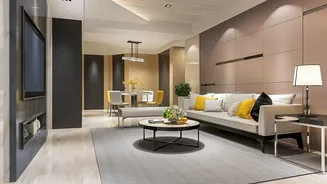
To make rooms appear larger and more expansive, photographers almost always use wide-angle lenses. This technique captures more of the room in a single frame by shooting from a corner or doorway. While effective for showing the layout, it can distort the image, making spaces feel bigger than they are. Look for tell-tale signs of distortion, such as objects at the edges of the photo appearing stretched or curved. The lines of a doorway or window frame might appear to bend slightly outwards. While this is standard practice, extreme use of this technique can create an unrealistic expectation of space.
Analyze the Light and the View
Professional photos are typically shot with bright, natural light to make a room feel airy and inviting. This can also hide flaws, wear and tear, or a generally dark ambiance. If a hotel's website lacks any photos of the view from the room, assume there isn't one worth showing. You may be looking at a brick wall, a parking lot, or an internal air shaft. Terms like "ocean view" can also be ambiguous; it might mean a full, direct view or a tiny sliver of blue you can only see by leaning over the balcony railing. This is where cross-referencing becomes critical.
The Ultimate Truth: Guest Photos
The single most effective way to verify what a room actually looks like is to ignore the professional gallery and seek out recent photos taken by other travelers. Websites like TripAdvisor, Google Maps, and even social media platforms like TikTok are invaluable resources for finding unedited, candid shots. These user-submitted photos will show you the room in normal lighting, from realistic angles, and will often reveal the true nature of the view. Pay attention to photos posted within the last few months to ensure they reflect the hotel's current condition. While one bad photo isn't a dealbreaker, a consistent pattern of guest photos showing small, dark, or dated rooms is a clear warning sign.