






The Strategic Advantage of Sleeping on the Rails
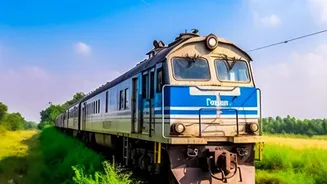
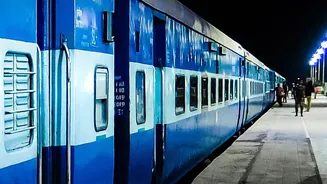
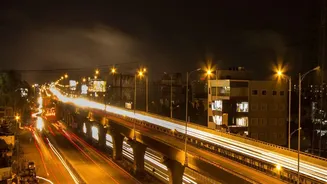
The magic of an overnight train is its efficiency. While you sleep, you are covering hundreds of kilometres, effectively saving a day of travel and the cost of a hotel room. For safari-goers, this is a game-changer. You can board a train from a major
metropolis like Delhi or Mumbai in the evening and wake up the next morning at a station that serves as a gateway to the jungle. This maximises your time on the ground, allowing for an early start to your wildlife adventure, refreshed and ready for the morning safari.
Central India's Safari Circuit by Rail
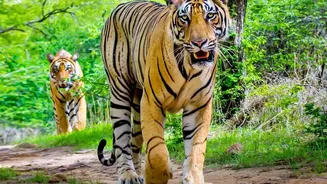
Central India's premier tiger reserves are surprisingly well-connected by the Indian Railways network. The key is to identify the right park and its corresponding railhead. For Bandhavgarh National Park, the most convenient stations are Umaria (35 km) and Katni (100 km). For Kanha National Park, the primary rail gateways are Jabalpur (160 km) and Gondia (145 km). Pench National Park, straddling Madhya Pradesh and Maharashtra, is best accessed from Nagpur (130 km) or Seoni (72 km). And for Tadoba Andhari Tiger Reserve, Chandrapur and Nagpur stations are your best bets. Numerous overnight express trains from major cities like Delhi, Mumbai, and Kolkata serve these stations, making them accessible and affordable entry points.
A Clear Winner on Cost
When planning a safari, the budget is often a primary concern. This is where trains truly outshine other modes of transport. A flight to Jabalpur or Nagpur can be expensive, especially if booked last minute, and doesn't account for the subsequent expensive taxi ride. Hiring a private car for a long-distance journey is even more costly. In contrast, an air-conditioned sleeper class ticket on an overnight train offers a comfortable and remarkably economical alternative. For instance, a 3AC or 2AC ticket provides a clean bunk, bedding, and air-conditioning for a fraction of the cost of a flight, allowing travellers to allocate more of their budget towards quality safaris and accommodation.
The Journey as an Experience
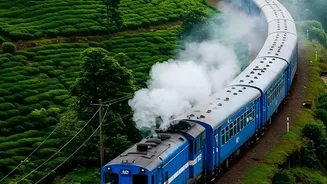
Choosing the train is not merely a practical decision; it is an experiential one. The journey offers a rolling panorama of the Indian countryside, from bustling towns to serene rural landscapes. It's a chance to meet fellow travellers, share stories, and witness a slice of daily life that is missed when flying thousands of feet above. The gentle rocking of the carriage, the call of chai-wallahs on station platforms, and the anticipation of arriving in a new place are all integral parts of the Indian travel experience. An overnight train journey isn't just transport; it’s the prologue to your jungle book adventure.
From Station to Safari Gate: The Final Leg
Once you alight at your destination station—be it Jabalpur, Umaria, Nagpur, or Gondia—the final leg of the journey to the national park is straightforward. Most safari lodges and resorts offer pick-up services for their guests for an additional fee. Alternatively, taxis are readily available at all major stations. It's advisable to pre-book a taxi through your hotel or a reliable local operator to ensure a smooth transfer. This final road journey, typically lasting between one to four hours, takes you through villages and patches of forest, building excitement as you get closer to the wilderness.