







Understanding the New Proposal
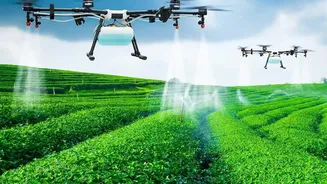
The Food Safety and Standards Authority of India (FSSAI) has published a draft notification suggesting new Maximum Residue Limits (MRLs) for two specific pesticides used in tea cultivation: acetamiprid and imidacloprid. The proposed limit for acetamiprid is 20
milligrams per kilogram (mg/kg), while the limit for imidacloprid is set at 50 mg/kg. This isn't just technical jargon; it's a significant step to provide clear, science-based benchmarks for everyone, from the farmer growing the leaves to the company processing them. Previously, the absence of specific limits for these approved pesticides created a regulatory grey area, often leading to a default zero-tolerance policy where even a trace amount could get a batch of tea rejected. The new draft, which is open for public comment for 60 days, aims to end this ambiguity.
What are MRLs and Why Do They Matter?
Maximum Residue Limit, or MRL, is the highest level of a pesticide residue that is legally tolerated in a food product when pesticides are applied correctly. These limits are not a direct measure of toxicity but are regulatory tools to ensure food safety and control the use of pesticides. They are established through scientific assessments that consider how much of a chemical might remain on a crop after it's been treated, alongside safety data. For an industry like Indian tea, which is both a massive domestic market and a major global export, having clear and updated MRLs is critical. It ensures that the tea sold to consumers at home is safe, while also helping exporters meet the stringent food safety standards of international markets.
A Balancing Act: Health, Trade, and Agriculture
This proposal is about striking a difficult but necessary balance. On one hand, there is a clear push to align India's standards with global benchmarks, particularly those in key export markets like the European Union. For instance, the proposed limit for acetamiprid (20 mg/kg) is lower than the limits in Japan (30 mg/kg) and the United States (50 mg/kg), signalling an intent to meet or exceed international standards. On the other hand, these rules must be practical for the millions of growers, especially small tea growers who are crucial to the supply chain. The use of pesticides is often necessary to protect crops from pests and prevent significant losses. The FSSAI's move attempts to create a framework that protects consumer health without crippling the agricultural practices that sustain the industry.
Industry Hopes and Hurdles
The response from the tea industry has been one of cautious optimism. For years, bought-leaf factories and small growers have faced uncertainty, with green leaf batches being rejected due to the lack of clear MRLs for these approved pesticides. This proposal brings much-needed regulatory clarity. It is expected to particularly benefit small tea growers who may now find it easier to sell their produce without fear of rejection over ambiguous residue rules. However, adapting to new standards is not without challenges. The global market, especially the EU, is continuously tightening its regulations, which has already created hurdles for Indian tea exports. Industry bodies have previously sought transition periods to phase out certain chemicals and adapt to new norms, highlighting the need for support in adopting new pest management practices and technologies.
What This Means for Your Cup of Tea
Ultimately, this move is a positive step for the average consumer. By establishing clear and scientifically-backed limits, the FSSAI is strengthening the food safety ecosystem surrounding one of the nation's most beloved beverages. It ensures that there is a robust system in place to monitor and control pesticide residues, aligning domestic standards with international best practices. While the limits for these two pesticides are actually being set at a defined level rather than an unofficial zero, the clarity removes ambiguity that could inadvertently allow other, less-regulated practices to persist. For tea drinkers, it represents a move toward greater transparency and a more formalised commitment to safety from the farm to the cup, ensuring the future of Indian tea is both healthy and globally competitive.