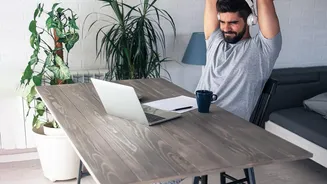





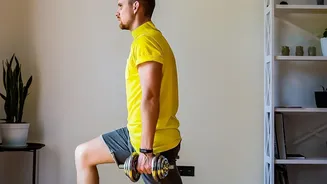

Hours spent at a desk can lead to a host of physical issues, from chronic back pain to tight hips and weak muscles. For busy professionals, finding an efficient and effective solution is key. Enter the full-body workout.
The Hidden Costs of Sitting
The human body is designed for
movement. When you spend the majority of your day in a chair, a cascade of negative effects begins. Your hip flexors shorten and tighten, your glute muscles can weaken, and your posture often suffers, leading to a hunched-over position that strains the neck and back. This phenomenon, sometimes called 'desk body', isn't just about aches and pains. A sedentary lifestyle is linked to a slower metabolism, poor blood circulation, and an increased risk of chronic health issues over time. Even regular exercise may not fully undo the damage if it's surrounded by hours of inactivity.
Why Full-Body Workouts Are the Antidote
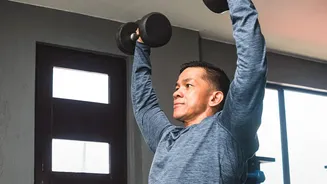
So, how do you fight back? Fitness trainers increasingly point to full-body workouts as the ideal solution, especially for those with limited time. Unlike 'split' routines that isolate one or two muscle groups per day (like a 'chest day' or 'leg day'), a full-body session hits every major muscle group at once. This approach is incredibly efficient, burning more calories in less time. It also promotes balanced muscle development, which is crucial for correcting the postural imbalances caused by sitting. By working your chest, back, legs, and core together, you're re-teaching your body to function as an integrated system, improving functional strength for everyday life.
Foundational Movement: Squats
If there's one exercise to counter a day of sitting, it's the squat. This fundamental movement targets the quadriceps, hamstrings, and, most importantly, the glutes—the powerful muscles that often become weak and inactive from sitting. Strong glutes are essential for stabilizing the pelvis and supporting the lower back. A basic bodyweight squat is a great starting point. Stand with your feet shoulder-width apart, keep your chest up, and lower your hips as if sitting in a chair. Aim to go as low as you can comfortably while keeping your back straight and heels on the floor.
Strengthen Your Posture: Rows
Hunching over a keyboard strengthens and shortens the muscles in your chest while weakening the muscles of your upper back. This imbalance is a primary cause of 'tech neck' and rounded shoulders. The antidote is to pull. Exercises like dumbbell rows, cable rows, or even inverted rows using a bar powerfully engage the lats, rhomboids, and traps. Strengthening these upper-back muscles helps pull your shoulders back and down, naturally encouraging a more upright and confident posture throughout your workday.
Activate The Core: Planks and Bird-Dogs
A strong core is more than just about aesthetics; it's the foundation of a stable spine. When you sit all day, your core can become lazy. The plank is a fantastic isometric exercise that engages the entire trunk. For a more dynamic challenge, the bird-dog exercise is exceptional. Starting on all fours, you extend an opposite arm and leg, forcing your core to work hard to prevent your torso from twisting. This move improves stability and is particularly good for building endurance in the low back muscles.
Open Up Your Hips: Lunges and Stretches
Chronic sitting leads to tight, shortened hip flexors, which can pull your pelvis out of alignment and contribute to lower back pain. Lunges are a great dynamic exercise that strengthens the legs while also stretching the hip of the back leg. In addition to lunges within your workout, incorporating a dedicated hip flexor stretch is highly recommended. A simple kneeling lunge stretch, where you gently press your hips forward, can provide immense relief and help restore mobility to this crucial area.
Putting It All Together
For the sitting professional, aiming for two to three full-body workout sessions per week on non-consecutive days is a fantastic goal. This frequency allows your muscles enough time to recover and grow stronger. Focus on compound movements that use multiple joints and muscles at once, like squats, lunges, presses, and rows. By training your body as a complete unit, you not only build strength and burn calories more efficiently but also directly combat the physical stresses of your desk job.