



The New Monsoon Travel Boom
What was once considered a lean period for tourism is now a bustling travel season. A structural shift in domestic travel habits means that leisure trips are no longer confined to the traditional peak seasons of summer and winter. Major hospitality groups
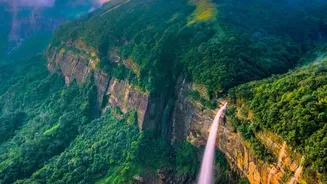
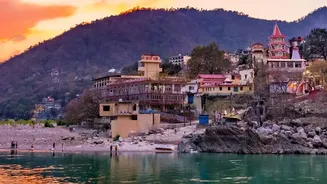
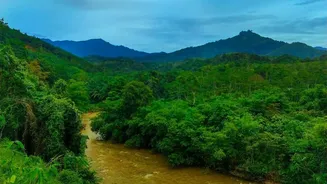
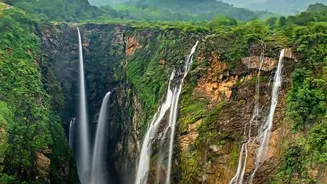
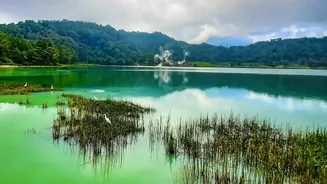
have noted that the monsoon has emerged as a powerful travel driver in its own right, with hotel bookings for July pacing significantly ahead of previous years. This surge is driven by a growing appreciation for the lush landscapes, a desire for nature-led getaways, and the flexibility of remote work. Travellers are increasingly taking advantage of long weekends and public holidays for short, spontaneous trips, filling up highways to popular destinations as soon as the first rains arrive.
Hotspots Feeling the Squeeze
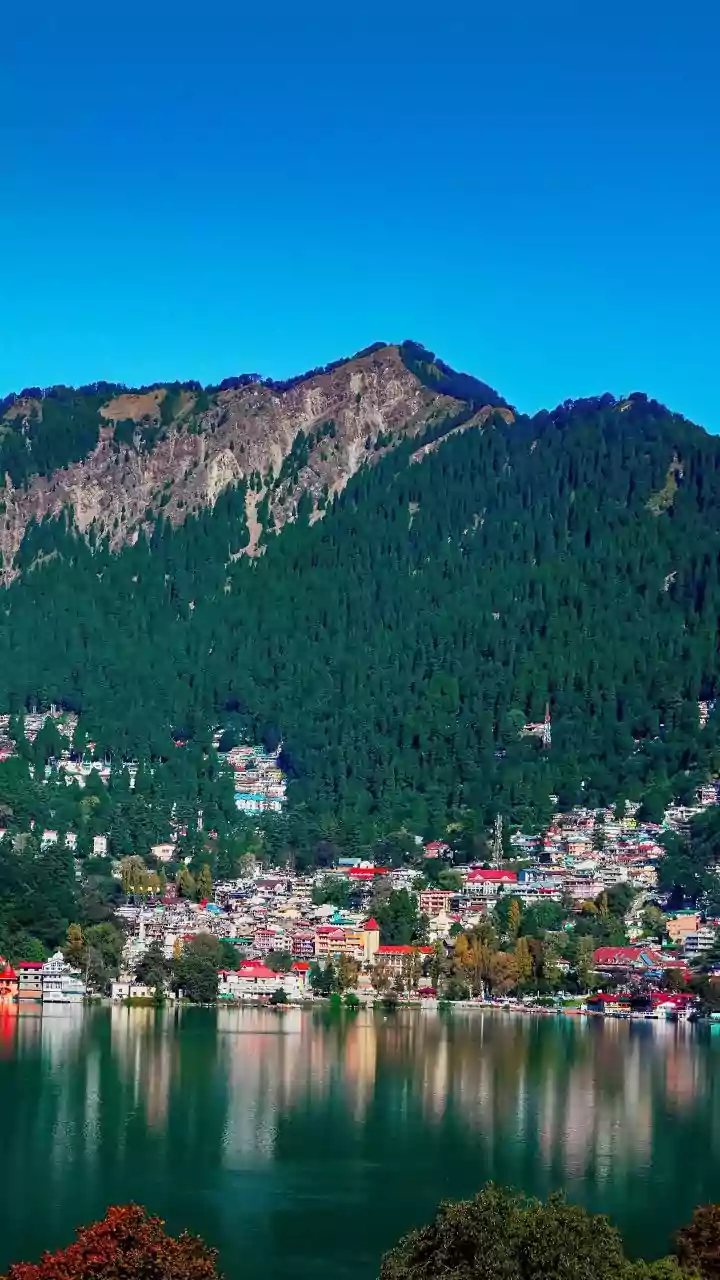
From the Western Ghats to the Himalayan foothills, the demand is widespread. Data from travel platforms shows a significant year-on-year growth in hotel bookings across various destinations. In the south, places like Wayanad and Alleppey in Kerala have seen bookings jump by over 145%, while Kodaikanal and Ooty are also reporting sharp increases. Goa, a classic favourite, continues to attract visitors, with bookings up by more than 110% as travellers seek a quieter, greener version of the coastal state. In the north, hill stations like Kasauli, Mussoorie, and Nainital are experiencing strong demand. Even the Northeast is on the radar, with Nagaland and Arunachal Pradesh recording impressive growth in flight and hotel bookings.
The Search for 'Affordable' Stays
This rising demand has a direct impact on pricing. The deep discounts that once defined monsoon travel are becoming less common, and hotel tariffs have remained more resilient compared to pre-pandemic years. While some deals can still be found, the overall cost of a monsoon trip is rising, forcing travellers to redefine what 'affordable' means. This pressure is accelerating the boom in alternative accommodations. Homestays, in particular, are moving from a niche option to a key part of India's travel economy. Valued at approximately USD 450 million in 2024, the Indian homestay market is projected to grow significantly, offering travellers privacy, local experiences, and better value. This shift is evident in rising requests for homestays in leisure packages, especially for destinations like Kerala, Coorg, and Himachal Pradesh.
What 'Well-Located' Means in Monsoon
During the monsoon, a 'well-located' stay means more than just being close to the city centre. Accessibility and safety become paramount. Travellers prioritise properties on stable roads that are less prone to waterlogging or landslides. Proximity to all-weather attractions, indoor recreational facilities, and restaurants with comforting seasonal food also adds significant value. Hotels and homestays that offer holistic experiences, such as wellness programs or scenic views from the room, are in high demand. A good location is one that minimises travel hassles and maximises the enjoyment of the rain-swept scenery, whether it's a coffee plantation in Coorg or a lakeside villa in Udaipur.
Smart Booking Strategies for Travellers
Navigating this competitive landscape requires smart planning. The most effective strategy is to book well in advance, as last-minute deals on desirable properties are becoming scarce. Flexibility with travel dates can unlock better prices, as weekday stays are often cheaper than crowded long weekends. Consider exploring alternative, less-commercialised destinations that offer a similar experience without the peak-season rush. When booking, pay close attention to recent reviews from other monsoon travellers to check for issues like leaks, power cuts, or difficult road access. Finally, look beyond traditional hotels. Exploring the growing market of registered homestays, guesthouses, and boutique inns can lead to unique, comfortable, and well-priced stays that offer a more authentic local experience.