




An Annual Shutdown
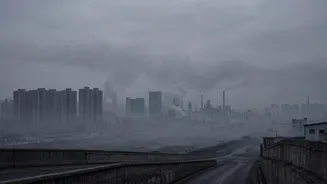
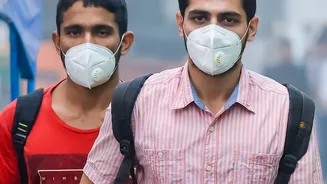
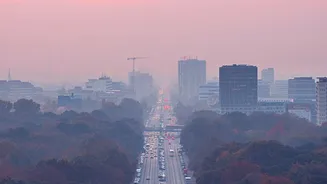
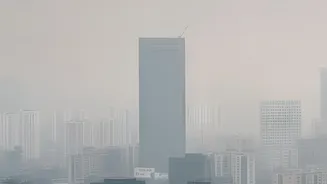
As Delhi's air quality plummeted into the 'severe plus' category this week, authorities took a now-familiar step: they shut down the schools. The Commission for Air Quality Management (CAQM) enacted Stage IV of the Graded Response Action Plan (GRAP),
leading the Delhi government to direct all primary schools to move to online classes until at least November 20. For older students in classes 6 to 12, many schools have also opted for remote learning. This decision, driven by AQI levels consistently hovering over 500 in many areas, is aimed at protecting children from the toxic air. However, while it shields their lungs, it traps them in their homes, triggering a host of other problems that parents and mental health experts find increasingly alarming.
A Lockdown Déjà Vu For Parents
For countless parents across the National Capital Region, the sudden shift feels like a rewind to the pandemic lockdowns. The chaotic juggle of work-from-home schedules, managing household chores, and ensuring a child is logged in and attentive for online classes has returned with a vengeance. 'It feels like we're right back in 2020', one parent of a seven-year-old expressed in a recent forum. The sentiment is widespread, a mix of frustration and resignation. Unlike the global pandemic, however, this disruption has become a predictable annual event tied to the pollution season. This cyclical nature of the crisis leaves parents feeling particularly helpless, knowing that every winter brings not just smog, but a complete upheaval of their family's life and routine.
The Toll of Indoor Confinement
For children, the consequences extend far beyond the inconvenience of learning from a screen. The four walls of their home have once again become their entire world: their classroom, their playground, and their living space, all rolled into one. This blurring of boundaries is a significant source of stress. Child psychologists warn that the lack of outdoor play is detrimental to physical and mental development. Spontaneous social interactions in the school corridor, the physical release of running around a playground, and the simple act of being with friends are crucial for a child's well-being. Stripped of these outlets, children are left with increased screen time, which is linked to irritability, poor sleep, and a diminished attention span. The very environment meant to be a safe haven becomes a pressure cooker.
A Rising Tide of Childhood Anxiety
Mental health experts are raising alarms about the psychological toll of this recurring confinement. The sudden disruption of a hard-won stable routine can be deeply unsettling for children, leading to heightened anxiety and mood swings. 'Children thrive on predictability', notes a leading child psychologist. 'When their world is abruptly shrunk to a laptop screen without warning, it creates a sense of uncertainty and fear'. This anxiety is not just about the pollution itself, but about the social isolation and the feeling of being trapped. Experts report an increase in behavioural issues, from excessive clinginess in younger children to withdrawal and frustration in older ones. They are a generation that has already lost critical years of in-person schooling to COVID-19, and this 'mini-lockdown' every year compounds that developmental and social deficit.
Coping in a Cloud of Smog
Parents are left scrambling to create a semblance of normalcy. Many are trying to structure the day with dedicated offline activities, from board games to indoor craft projects, in an effort to combat the monotony of screen-based learning. They are trying to find ways for their children to burn off energy indoors and stay connected with friends through video calls. However, these are temporary fixes for a systemic problem. The overwhelming feeling among many families is one of fatigue. They are fighting a battle on two fronts: protecting their children from the toxic air outside while also trying to shield them from the psychological damage of being trapped inside. This annual crisis underscores the urgent need for long-term, sustainable solutions to air pollution, as the current cycle is proving to be deeply damaging for an entire generation.