









Test 1: Analyze the Caller's Demands
The first and most revealing test is to scrutinize what the person on the other end of the line wants from you. Scammers operating under the guise of an emergency have one primary goal: to exploit your emotions for financial gain. They create a sense
of extreme urgency to prevent you from thinking clearly. A common tactic in India involves callers pretending to be a relative who has been in an accident or a fake official, like a police officer, demanding immediate payment to resolve a fabricated legal issue. Real emergency services and government bodies will never ask you to transfer money, buy gold, or pay them with gift cards or cryptocurrency. They will also not pressure you to keep the situation a secret from other family members; in fact, scammers insist on secrecy to prevent you from verifying their story. If the call involves a demand for immediate, untraceable payment, it is almost certainly a scam.
Test 2: Verify the 'Emergency' Independently
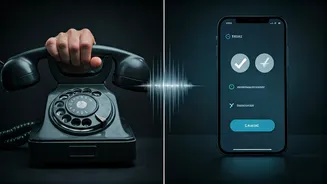
A key tactic of scammers is to control the flow of information and keep you on the line. Your best defence is to break this control. If you receive a distressing call, the most crucial step is to hang up and try to verify the information through a separate, trusted channel. If the caller claims to be a family member, call them back on the number you have saved in your phone, not the one they called from. Scammers can easily fake or 'spoof' caller IDs to make it look like the call is coming from a known contact or a local number. If you can't reach the person directly, call another friend or relative to check on them. Do not use any phone numbers or follow any links provided by the caller. For broader emergencies, you can check official social media accounts of local police or news outlets. Never call emergency numbers like 112 to verify a suspicious claim, as this can tie up resources for real emergencies. Instead, use non-emergency police lines if you feel a report is necessary.
Test 3: Question the Details and the Voice
While scammers are getting more sophisticated, their stories often have holes. If you're suspicious, stay calm and start asking specific questions that only your real loved one would know. Ask about a shared memory, a private joke, or the name of a childhood pet. A scammer using a script or even a voice clone will likely be unable to answer, evading the question or becoming flustered. With the rise of AI voice cloning, which can mimic a person's voice from just a few seconds of audio found online, you can't always trust what you hear. However, AI voices may still lack natural human speech patterns, like breathing sounds or the slight stutters that occur during panic. They might also mispronounce specific family or local names. If the caller is impersonating an official, ask for their name, badge number, and department, and state that you will call the official agency back directly to verify their identity. Any hesitation or threat in response to this is a major red flag.