




From daily commutes to family trips, bottled water is a constant companion in India. But with countless brands on the shelf, how do you know if you're choosing the safest option? Here’s a simple guide to making a more informed decision.
Not All Water Is Created Equal
The first step
is understanding that 'bottled water' isn't a single category. Indian regulations recognise two distinct types. 'Packaged Drinking Water' (Standard IS 14543) can come from various sources, including municipal supplies, and is treated through processes like reverse osmosis (RO) before being bottled. 'Natural Mineral Water' (Standard IS 13428) must originate from a protected underground source and retains its natural mineral composition. The latter is typically more expensive due to its pristine source and minimal processing. Many brands may use the word 'mineral' on the front label, but the definitive category is always listed on the back or in the fine print.
Decoding the Bottle's Label
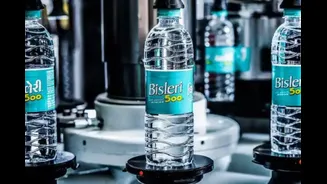
The label is your most important tool for assessing quality. Don't just look at the brand name. Every bottle sold in India must have a legible label that provides key information. Look for the manufacturer's name and address, a batch or code number for traceability, the manufacturing date, and a 'best before' date. Most importantly, the label must display a 14-digit FSSAI licence number, which confirms the manufacturer is registered with the food safety authority. Since late 2024, the landscape has shifted, with the Food Safety and Standards Authority of India (FSSAI) taking a more direct enforcement role.
The Role of FSSAI and BIS
For years, the Bureau of Indian Standards (BIS) certification, represented by the ISI mark, was a mandatory sign of quality. However, a major regulatory change in October 2024 removed the mandatory BIS certification requirement at the national level. Instead, the FSSAI now classifies packaged water as a 'high-risk food category'. This means all manufacturers must have an FSSAI licence and are subject to stricter, risk-based inspections. From January 2026, a compulsory testing scheme also applies, requiring regular lab tests for microbiological and chemical contaminants. While many brands may still voluntarily carry the ISI mark, the FSSAI licence is now the primary mandatory checkpoint for legal and safe operation.
A Quick Physical Inspection
Before you even read the label, a quick visual check can reveal a lot. First, inspect the seal. The bottle cap and the seal around it must be completely intact and tamper-proof. If the seal is broken or looks loose, do not buy it. Next, hold the bottle up to the light. The water should be perfectly clear, with no suspended particles, cloudiness, or foreign matter. Also, check the bottle itself. Avoid bottles that are dirty, have smudged printing, or show signs of damage. An unusually low price, especially for a well-known brand, can also be a red flag for counterfeit products.
What About Minerals and TDS?
Labels often list the mineral content, like calcium and magnesium, as well as the Total Dissolved Solids (TDS). TDS measures the total concentration of all dissolved substances in the water. Under Indian standards, packaged drinking water should have a maximum TDS of 500 mg/litre. While there is no mandated minimum, extremely low TDS water (under 50 mg/litre) can taste flat. The pH level should typically fall between 6.5 and 8.5. While brands may advertise health benefits, regulations prohibit making specific medicinal or curative claims. Your primary focus should be on safety and purity, rather than just the mineral count.
Proper Storage Is Key
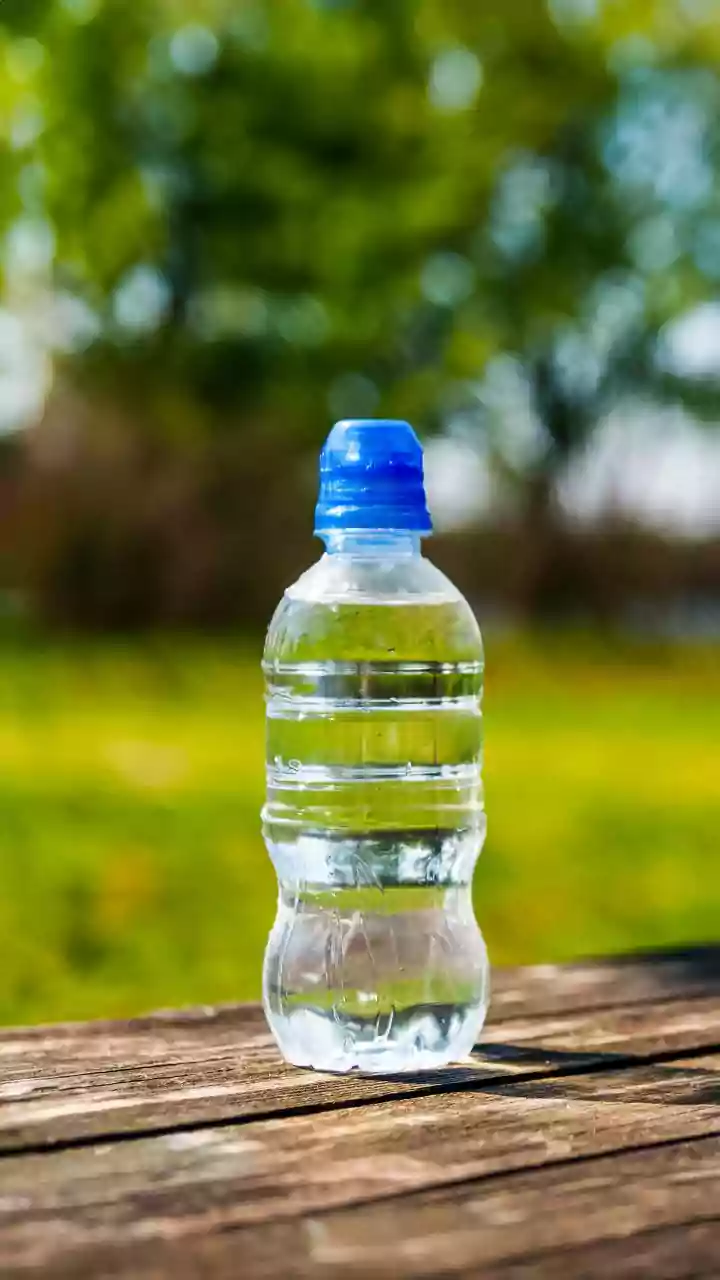
Finally, consider how the water is stored at the shop. Even a high-quality product can be compromised if handled poorly. Bottles should not be exposed to direct sunlight or stored in excessively hot places for long periods. Heat can affect the integrity of the plastic bottle and potentially the quality of the water inside. Always choose a bottle from a cool, shaded area of the store. The label should also include a mandatory disposal instruction, such as 'CRUSH THE BOTTLE AFTER USE', to prevent misuse and refilling of old bottles.