


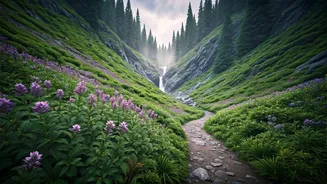



The Hoh Rainforest, Washington
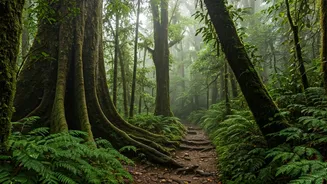
Let’s start with a place where rain isn’t a visitor, but the very soul of the landscape. Located within Olympic National Park, the Hoh is one of the largest temperate rainforests in the U.S., receiving an average of 140 inches of rain per year. To visit here on a sunny
day is to miss the point entirely. When the drizzle falls, as it almost always does, the entire forest comes alive. The palette of greens becomes impossibly vibrant, from the ancient Sitka spruce to the thick carpets of moss that hang from every branch like emerald chandeliers. The soundscape is hushed, a quiet symphony of drips falling on fern fronds and the soft squish of the trail underfoot. It’s not just a walk in the woods; it’s an immersion in a world that thrives on water, a place where rain feels like a cleansing, life-giving force.
The Scottish Highlands, UK
Scotland’s infamous weather, the moody and persistent drizzle known as “dreich,” is fundamental to the country’s character. In the Highlands, this is where the magic happens. A sunny day is lovely, but rain and mist give the glens and lochs their mythic quality. Low-hanging clouds obscure the peaks of mountains like Buachaille Etive Mòr, making them feel infinite and mysterious. The landscape, already dramatic, becomes profoundly atmospheric. Waterfalls that are mere trickles in dry weather roar to life, cascading down dark rock faces. The air fills with the scent of wet heather and peat. Driving through a misty Glen Coe or standing by the dark, choppy waters of Loch Ness, you feel less like a tourist and more like a character in an ancient epic.
Kyoto's Moss Gardens, Japan
While many tourists try to avoid Japan's early summer rainy season, or *tsuyu*, it's the secret key to unlocking Kyoto’s most serene beauty. This is when the city's famed moss gardens are at their peak. At temples like Saihō-ji (the “Moss Temple,” which requires advance reservation) or the more accessible Giō-ji, the rain nourishes over 100 varieties of moss, turning the temple grounds into a velvet tapestry of every conceivable shade of green. The sound of rain dripping from bamboo stalks and hitting the oiled paper of traditional umbrellas is profoundly meditative. The crowds thin, and the ancient capital takes on a quiet, contemplative atmosphere. The wet stone paths gleam, lanterns cast a soft glow, and you can experience a version of the city that feels more authentic and timeless.
Ghent, Belgium
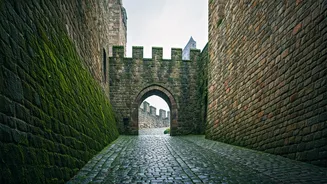
While most travelers flock to Bruges, the nearby city of Ghent offers a similar medieval charm with fewer crowds and a uniquely enchanting quality in the rain. When a shower passes through, the city’s cobblestone lanes become slick, reflective canvases. At night, the warm light from streetlamps and the windows of cozy, canal-side pubs warps and shimmers on the wet stones, turning a simple walk into a stroll through an Impressionist painting. The imposing Gravensteen castle and the ornate guildhalls along the Graslei and Korenlei waterfront appear even more dramatic when their stony facades are darkened by rain and their reflections dance in the rippling canals. It’s a city that invites you to embrace the moodiness, find a warm café, and watch the world go by through a rain-streaked window.
The Azores, Portugal
This volcanic archipelago in the middle of the Atlantic is a place of raw, untamed nature, and its weather is a huge part of its identity. It’s not uncommon to experience all four seasons in a single day. But the frequent mist and rain are what make the Azores feel like a true lost world. When fog rolls in over the Sete Cidades caldera, the famous blue and green lakes take on an ethereal, mysterious quality. The rain intensifies the shocking green of the rolling pastures and the vibrant colors of the hydrangeas that line the roads. It’s a landscape that feels prehistoric and dynamic, where clouds don't just pass overhead—they descend and envelop you, softening the edges of the world and focusing your attention on the incredible textures and colors right in front of you.