





The Protective Shield of a Seed
Raw nuts, grains, and seeds contain naturally occurring compounds that act as a defence mechanism for the plant. These include phytic acid and enzyme inhibitors. Phytic acid, sometimes called an 'anti-nutrient', can bind to important minerals like iron,
zinc, and calcium in our digestive tract, potentially reducing their absorption. Enzyme inhibitors do a similar job, preventing the seed from sprouting prematurely but also making it harder for our own digestive enzymes to break down proteins and starches effectively. While these compounds are not harmful in small amounts, consuming large quantities of raw seeds and nuts might mean you're not getting all the nutritional benefits they have to offer.
Unlocking Nutrients with Water
Soaking seeds in water essentially mimics the start of the germination process. This simple act signals to the seed that conditions are right to start growing, which in turn deactivates many of the anti-nutrients. The water helps to break down phytic acid and enzyme inhibitors, making the nutrients within the seed more bioavailable—meaning, easier for your body to absorb and use. Studies on grains and legumes have shown that soaking and sprouting can significantly reduce phytic acid content. This process effectively 'pre-digests' the seed, taking some of the strain off your digestive system and reducing the chances of bloating or discomfort.
Making Healthy Fats More Accessible
The headline's focus is on fatty acids, and this is where the benefit becomes more about accessibility than transformation. Soaking doesn't necessarily change the types of fats in the seed, such as the beneficial omega-3s, but it makes them easier for your body to utilise. By breaking down complex starches and proteins, the soaking process allows for easier access to all the macronutrients, including the healthy fats stored within. Think of it less as changing the recipe and more as making the ingredients easier to reach. Research on sunflower seeds indicates that soaking can cause a reduction in the overall amount of fatty acids as they are used for energy in the germination process, but the key benefit remains improved digestibility and nutrient access.
A Simple How-To Guide for Soaking
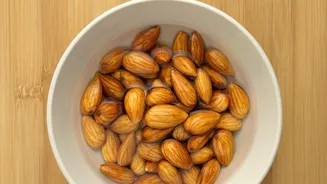
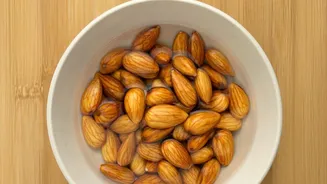
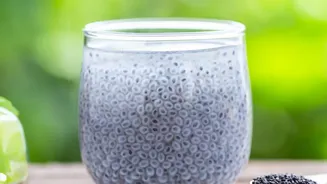
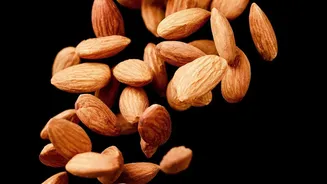
Incorporating soaked seeds into your daily routine is simple. All you need is a glass jar, water, and a pinch of salt. Place your raw, un-roasted seeds in the jar, cover them with double the amount of warm, filtered water, and add about half a teaspoon of sea salt per cup of seeds. The salt helps to activate enzymes that neutralize the inhibitors. Cover the jar with a cloth and let it sit on the counter. Soaking times vary depending on the seed. Almonds, pumpkin seeds, and sunflower seeds benefit from an 8-12 hour soak, while softer nuts like cashews only need 2-4 hours. Chia and flax seeds form a gel quickly and only need about 30 minutes. After soaking, rinse the seeds thoroughly to wash away the anti-nutrients. You can use them immediately in smoothies, or dehydrate them on low heat in an oven or dehydrator to restore their crunch for snacking.
Which Seeds Benefit the Most?
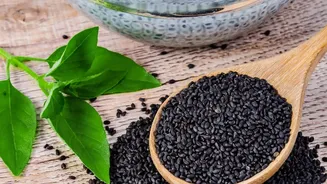
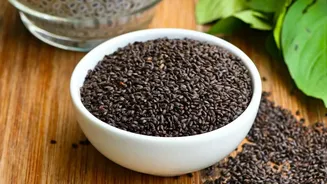
While most raw nuts and seeds can benefit from a good soak, some are better candidates than others. Almonds, walnuts, and pecans are excellent choices, as soaking not only improves digestion but can also remove some of the bitter-tasting tannins from their skins. For seeds, pumpkin and sunflower seeds become much more digestible after soaking. Chia and flax seeds are particularly important to soak. Doing so creates a gel-like substance that is gentle on the digestive system and helps unlock their rich stores of fibre and omega-3 fatty acids. The process makes their nutrients far more accessible than if you were to eat them completely dry and raw.